
Naturalization Test 2026: Your Essential Guide to Upcoming
Major changes to the U.S. Naturalization Test are coming in 2026, impacting future citizens nationwide, especially in Florida. Discover what's new, how to prepare for updated civics and English requirements, and how Imigrar can guide your path to U.S. citizenship.

The journey to U.S. citizenship is a significant milestone for many immigrants, offering a pathway to full participation in American society. For those preparing to take this crucial step, staying informed about evolving requirements is paramount. Today, we delve into a critical development: the upcoming changes to the Naturalization Test, expected to take full effect in 2026.
At Imigrar, your trusted immigration law firm in Orlando, Florida, we are committed to helping families stay together and navigate the complexities of immigration law. Our goal is to provide you with the most accurate, up-to-date, and actionable information to empower your journey to U.S. citizenship.
What This News Means for Immigrants in Orlando and Across Florida
The news of impending changes to the Naturalization Test in 2026 is a significant development for countless individuals pursuing U.S. citizenship. For immigrants in Orlando, across Central Florida, and throughout the nation, understanding these adjustments is crucial for successful preparation.
Why this news is showing up now
The United States Citizenship and Immigration Services (USCIS) periodically reviews and updates its naturalization process, including the civics and English tests, to ensure they remain relevant, fair, and effective in assessing an applicant's knowledge of U.S. history, government, and language proficiency. The current buzz around "Naturalization Test Changes Coming in 2026" stems from USCIS's recent activities, which often involve pilot programs, public feedback periods, and announcements regarding proposed modifications. This proactive approach ensures that the tests reflect current educational standards and civic engagement expectations.
Historically, USCIS has revised the civics test multiple times, with significant updates occurring in 2008 and then again with a short-lived revision in 2020 under a previous administration. The 2020 changes, which were more rigorous and controversial, were ultimately reverted to the 2008 version in early 2021. This history underscores USCIS's ongoing commitment to refining the test, and the current discussions indicate another wave of updates is on the horizon for 2026. These changes are likely the result of extensive research, expert consultation, and public commentary, aiming to strike a balance between rigor and accessibility for all eligible applicants.
How it can affect Florida residents
For the vibrant immigrant communities in Florida, from the bustling streets of Orlando to the diverse neighborhoods of Miami and Tampa, these changes carry direct implications. Florida is home to a large number of naturalization applicants, and any shift in the test format or content will directly impact how they prepare. Here’s how these changes can affect Florida residents:
- Preparation Strategies Will Evolve: The most immediate impact will be on study materials and preparation methods. Current study guides for the 100 civics questions will become outdated. Applicants will need to access and master new information, requiring a fresh approach to their study routines.
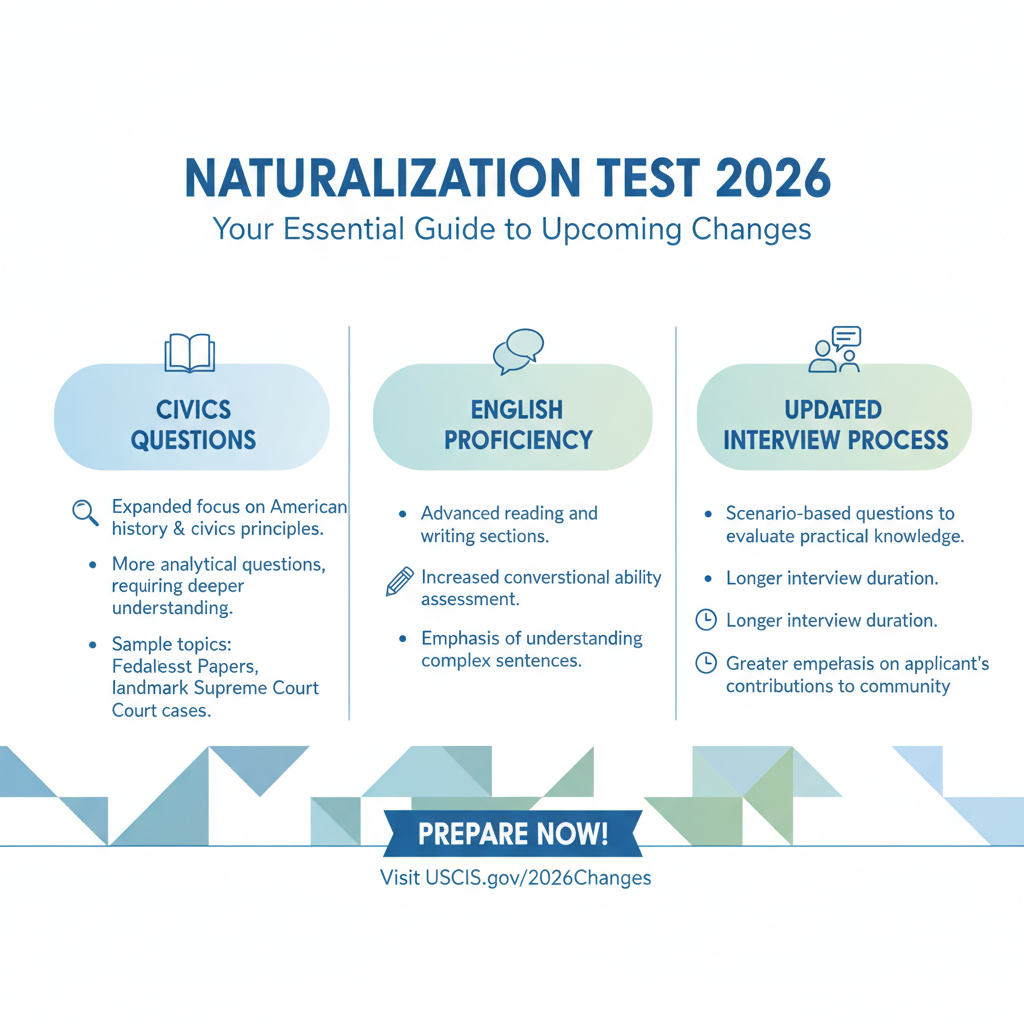
- Potential for Increased Difficulty: While the aim is usually to improve the test, new questions or a revised format could be perceived as more challenging by some applicants. For instance, if the civics portion moves beyond rote memorization to more analytical or conversational questions, it will require a deeper understanding rather than just recall.
- Impact on English Proficiency Assessment: If the English portion also sees changes, perhaps with a greater emphasis on conversational ability over basic reading and writing, applicants will need to hone their verbal communication skills more intensely. This is particularly relevant for those who primarily speak Spanish or other languages at home.
- Timing is Critical: The exact implementation date within 2026 will be crucial. Applicants whose interviews are scheduled *after* the new test's effective date will be subject to the new format, regardless of when they submitted their Form N-400. This means some individuals currently studying for the existing test may need to pivot their preparation mid-process.
- Importance of Legal Guidance: With changes on the horizon, the value of experienced legal counsel becomes even more pronounced. An immigration attorney can help clarify the new requirements, provide updated study resources, and guide applicants through the revised process, ensuring they are fully prepared for their naturalization interview at the Orlando USCIS Field Office or other locations.
Need Help Navigating the Upcoming Naturalization Test Changes? Our Orlando immigration team at Imigrar is ready to assist. Don't face these changes alone. Call +1 786-791-3106 for a free consultation, or message us online. Se Habla Español.
What Naturalization Test Changes Coming in 2026 Is (and Why It Matters)
The term "Naturalization Test Changes Coming in 2026" refers to the anticipated updates to the U.S. citizenship examination administered by USCIS. This test is a mandatory component for most individuals seeking to become naturalized U.S. citizens. Understanding these changes is vital because they directly influence how prospective citizens must prepare and demonstrate their eligibility.
A plain-English definition
In simple terms, the Naturalization Test is an interview with a USCIS officer that includes two main parts: an English test and a civics test. The English test assesses your ability to read, write, and speak basic English. The civics test evaluates your knowledge of U.S. history and government. The "changes coming in 2026" mean that the specific questions asked, the format of the questions, or the way your answers are evaluated for both the English and civics portions of this interview are expected to be updated. This isn't a change to who is eligible for citizenship, but rather to *how* that eligibility is assessed in terms of language and civic knowledge.
For instance, past discussions and pilot programs have suggested that the civics test might shift from primarily multiple-choice or direct recall questions to more open-ended, conversational questions. This would require applicants to not only know the facts but also to articulate them in English, potentially merging aspects of the civics and English tests. Similarly, the English speaking test might become more integrated into the overall interview, with the officer asking personal questions from your application and evaluating your English proficiency organically, rather than through specific, separate prompts.
Key terms you need to know
Navigating the naturalization process requires familiarity with specific terminology. Here are some key terms that will help you understand the context of these upcoming changes:
- Naturalization: This is the legal process by which a foreign citizen or national can voluntarily become a U.S. citizen. It is the final step for many immigrants to gain full rights and responsibilities in the United States, including the right to vote.
- Civics Test: This is one of the two main components of the naturalization test. It assesses an applicant's knowledge and understanding of U.S. history, government, and civics. Currently, applicants are asked up to 10 questions from a list of 100, and must answer 6 correctly. The upcoming changes are expected to modify this list and potentially the question format.
- English Test: The second main component of the naturalization test, which evaluates an applicant's ability to read, write, and speak basic English. The speaking portion is assessed during the interview, while reading and writing are tested by reading and writing simple sentences. The 2026 changes might influence the complexity or style of these assessments.
- USCIS (U.S. Citizenship and Immigration Services): This is the federal agency responsible for administering the country's lawful immigration system, including processing naturalization applications and conducting the citizenship test. USCIS is the authoritative source for all information regarding the test changes.
- Form N-400 (Application for Naturalization): This is the primary form that individuals must file with USCIS to apply for U.S. citizenship. Successful completion and submission of this form is a prerequisite to being scheduled for the naturalization interview and test.
- Oath of Allegiance: This is the final step in the naturalization process. After passing the interview and test, applicants attend a ceremony where they take an oath to support the U.S. Constitution and laws. Upon taking the oath, they officially become U.S. citizens and receive their Certificate of Naturalization.
- Good Moral Character: A fundamental requirement for naturalization. Applicants must demonstrate that they have been, and continue to be, persons of good moral character for the statutory period required for their eligibility (typically 3 or 5 years). Certain criminal offenses can disqualify an applicant.
These changes matter significantly because they require prospective citizens to adapt their study and preparation strategies. Relying on outdated materials could lead to failure on the test, delaying or even jeopardizing the path to citizenship. Understanding the nature of the changes—whether they involve new civics topics, a more conversational English assessment, or different question formats—will be key to successful preparation. For those in Orlando and across Florida, this means being proactive in seeking updated information and professional guidance to ensure a smooth transition to citizenship.
Current Immigration Law: The Foundation
While the Naturalization Test is undergoing changes, the underlying federal laws governing eligibility for U.S. citizenship remain steadfast. The foundation of U.S. naturalization law is primarily found in the Immigration and Nationality Act (INA). Understanding these core requirements is the first step toward preparing for citizenship, regardless of the test format.
Federal requirements
The Immigration and Nationality Act (INA), specifically Section 312, mandates that applicants for naturalization must demonstrate an understanding of the English language, including an ability to read, write, and speak words in ordinary usage, and a knowledge and understanding of the fundamentals of U.S. history and government (civics). Beyond the test, INA Sections 316 and 319 outline the general requirements for naturalization:
- Age: You must be at least 18 years old at the time of filing Form N-400.
- Lawful Permanent Resident Status: You must be a lawful permanent resident (Green Card holder) for a specific period. This is typically 5 years, or 3 years if you are married to a U.S. citizen and meet certain other criteria.
- Continuous Residence: You must have resided continuously in the U.S. as a lawful permanent resident for at least 5 years (or 3 years if married to a U.S. citizen) immediately preceding the date of filing Form N-400 and up to the time of naturalization. This means maintaining your status and not having extended absences from the U.S.
- Physical Presence: Within the continuous residence period, you must have been physically present in the U.S. for at least half of that time (e.g., 30 months out of 5 years, or 18 months out of 3 years). Extended trips outside the U.S. can disrupt this.
- Residence in USCIS District or State: You must have resided for at least 3 months in the state or USCIS district where you file your Form N-400. For Central Florida residents, this would typically involve the Orlando USCIS Field Office jurisdiction.
- Good Moral Character: You must be a person of good moral character during the statutory period (the 3 or 5 years leading up to your application) and up to the time of naturalization. This is a broad requirement, and certain criminal offenses, false statements, or other negative behaviors can disqualify an applicant.
- Attachment to the Principles of the U.S. Constitution: You must demonstrate an attachment to the principles of the U.S. Constitution and be willing to take the Oath of Allegiance. This is assessed through your answers during the interview and your overall conduct.
- English Language and Civics Knowledge: As discussed, this is where the 2026 changes will come into play. You must be able to read, write, and speak basic English and have a knowledge of U.S. history and government. There are certain exemptions for age and length of permanent residency, or for medical conditions.
Florida-specific considerations
While naturalization is a federal process, meaning the eligibility requirements and test content (once finalized) are uniform across the nation, local factors and resources play a significant role for Florida residents:
- USCIS Field Offices: Applicants residing in Central Florida, including Orlando and surrounding Orange County, will typically attend their naturalization interview at the Orlando USCIS Field Office. Knowing your local field office is important for scheduling and understanding regional processing times.
- Community Resources: Florida has numerous non-profit organizations and community centers that offer ESL classes, civics education, and naturalization workshops. These resources can be invaluable for preparing for the test, especially as new materials become available.
- Processing Times: USCIS processing times can vary by field office. While the national average provides a general idea, applicants in Orlando should check the specific processing times for the Orlando Field Office. You can monitor these times on the USCIS Processing Times website.
- Legal Support in Florida: Having an experienced immigration law firm like Imigrar, based in Orlando, provides localized support and expertise. We understand the specific nuances of applying in Florida and can offer tailored advice for residents across the state.
Applicants for naturalization will primarily interact with USCIS through official forms. The most critical one is Form N-400, Application for Naturalization. Other relevant forms may include Form N-600, Application for Certificate of Citizenship (for those claiming citizenship through parents), or Form I-912, Request for Fee Waiver, for eligible low-income applicants. Always obtain the latest versions of these forms directly from the USCIS Forms page.
Important: The 2026 changes to the Naturalization Test do not alter these foundational federal eligibility requirements. Your focus should be on meeting all these criteria *in addition* to preparing for the updated test.
Concerned about meeting federal requirements or understanding Florida-specific immigration processes? Imigrar offers expert legal guidance for your naturalization journey. Call us at +1 786-791-3106 for a free consultation. Se Habla Español.
How to Prepare for the New Naturalization Test: A Complete Step-by-Step Guide
Preparing for U.S. citizenship requires diligence and careful planning. With the Naturalization Test changes coming in 2026, a strategic approach is more important than ever. This guide provides a comprehensive step-by-step plan to help you navigate the updated requirements and successfully achieve naturalization.
1) Understand the New Test Format and Content
The first and most critical step is to stay informed about the specifics of the 2026 test changes. USCIS will be the official source for all updates. These changes might include:
- Updated Civics Questions: The current list of 100 civics questions will likely be revised. New questions might focus on more contemporary civic issues, the roles of different government branches, or the rights and responsibilities of citizens in a more analytical way. The format could also shift from simple recall to more open-ended discussions.
- Enhanced English Conversation: The English portion might become more integrated into the interview, with USCIS officers evaluating your English speaking ability through a broader conversation about your Form N-400 application and your understanding of the civics questions, rather than just specific English prompts. This requires a more fluid and confident command of the language.
- New Study Materials: USCIS will release official study guides, flashcards, and practice tests to reflect the new content. It is imperative that you use only these new, official materials once they are published.
Action: Regularly check the USCIS official website for announcements regarding the new test. Subscribe to USCIS email updates if available. Imigrar will also provide updates as soon as official information is released.
2) Gather Your Documents for Form N-400
Before you even think about the test, you must ensure your naturalization application, Form N-400, is complete and accurate. Gathering all necessary documents is a foundational step. While the test changes, the document requirements for your application do not.
Required Documents (General List):
- Your Green Card (Permanent Resident Card) – both front and back.
- Your state-issued identification (driver's license or state ID).
- Your current and all previous passports, and any travel documents.
- Marriage certificate (if applying under the 3-year rule or if marital status changed).
- Divorce decrees or death certificates for previous spouses (if applicable).
- Birth certificates for your children (if applicable).
- Tax returns for the past 5 years (or 3 years if married to a U.S. citizen).
- Proof of selective service registration (if you are a male between 18 and 26 years old).
- Certified copies of any arrest records, court dispositions, or police reports, even if charges were dropped or expunged.
- Proof of payment of child support or alimony (if applicable).
- Documentation for any fee waiver request (Form I-912).
- Two passport-style photos (if required by the latest Form N-400 instructions).
Important: Make photocopies of *all* documents you submit. Keep the originals safe and bring them to your interview. Organize your documents meticulously in a folder.
3) Study the Updated Civics Questions
Once USCIS releases the new civics test questions and study materials, dedicate significant time to mastering them. Do not rely on old study guides once the new test is implemented.
- Download Official Materials: Immediately download the official "Civics Test Study Guide" and "List of 100 Civics Questions and Answers" (or whatever the new number will be) from the USCIS official website. These are the only reliable sources.
- Active Learning: Don't just read. Use flashcards, online quizzes, and practice tests. Many free resources will become available on the USCIS site.
- Understand Concepts: If the new test is more conversational, focus on understanding the *why* behind the answers, not just memorizing facts. For example, instead of just naming a branch of government, understand its role.
- Join Study Groups: Connect with other applicants in Orlando or Central
Related Topics
Need Legal Assistance?
Our experienced immigration attorneys are here to help with your case. Contact Imigrar today for a free consultation and let us guide you through the legal process with confidence.
📍 Orlando, Florida • Serving clients nationwide
📧 info@imigrar.com