
EAD Updates 2026: Your Guide to Faster Work Permits in Florida
Navigate the latest USCIS EAD processing updates for 2026. Learn how to apply, renew, and secure your work permit with expert guidance from Imigrar in Orlando.

The ability to work legally in the United States is a cornerstone of building a new life for many immigrants. For those awaiting a green card, seeking asylum, or holding certain nonimmigrant statuses, the Employment Authorization Document (EAD), often called a work permit, is essential. Recent updates from U.S. Citizenship and Immigration Services (USCIS) regarding EAD application and renewal processing offer significant news for applicants nationwide, including those right here in Orlando and across Florida.
At Imigrar, we understand that staying informed about these changes is crucial for your peace of mind and your future. Our mission is to "Keep Families Together," and ensuring you have the authorization to work and support your loved ones is a vital part of that commitment. This comprehensive guide will break down the latest EAD processing news, explain what it means for you, and provide actionable steps to navigate the application and renewal process successfully.
The reporting that sparked this guide:
Employment Authorization Document Processing (USCIS)
What This News Means for Immigrants in Orlando and Across Florida
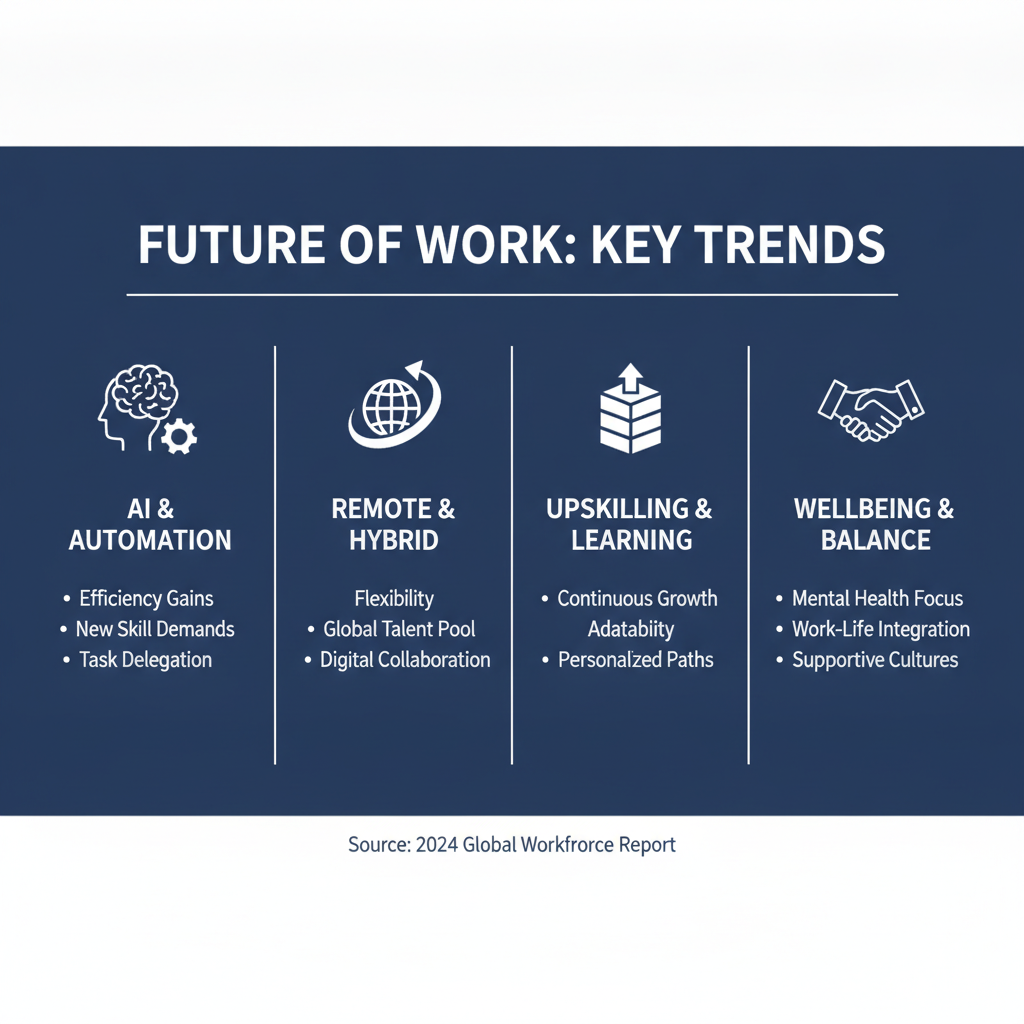
The landscape of immigration policy is constantly evolving, and keeping pace with changes from agencies like USCIS is paramount. Recent developments in Employment Authorization Document (EAD) processing have brought both relief and new considerations for immigrants seeking to work legally in the U.S. Understanding these updates is key to planning your immigration journey, especially if you reside in or around Orlando, Florida.
Why this news is showing up now
Over the past few years, USCIS has faced immense backlogs across various application types, including EADs. This led to significant processing delays, causing stress and financial hardship for countless individuals and families. In response to these challenges and sustained advocacy from immigration stakeholders, USCIS has implemented several initiatives aimed at improving efficiency and reducing processing times for EAD applications and renewals. These initiatives are the core of the "trending news" we're seeing now, reflecting a concerted effort by the agency to streamline operations and provide greater stability to applicants.
Specifically, these updates often include:
- Increased EAD Validity Periods: For certain categories, USCIS has extended the validity period of initial and renewal EADs, reducing the frequency with which individuals need to reapply. This provides greater long-term stability.
- Automatic Extensions: Policies allowing for longer automatic extensions for timely-filed EAD renewal applications have been a game-changer, preventing gaps in employment authorization.
- Online Filing Expansion: USCIS continues to expand the availability of online filing for Form I-765, which can often lead to faster processing and fewer errors compared to paper applications.
- Targeted Processing Efforts: USCIS has dedicated resources to address specific EAD backlogs, especially for vulnerable populations like asylum seekers or those with pending Adjustment of Status applications.
These measures, while implemented over time, continue to show their positive impact in late 2026, making them a consistent source of important news for the immigrant community.
How it can affect Florida residents
For immigrants living in Florida, these national USCIS updates have direct and significant implications. Florida is home to a large and diverse immigrant population, with many individuals relying on EADs to support themselves and their families. Here’s how these changes can specifically affect residents in the Sunshine State, particularly those in Central Florida:
- Employment Stability: Longer EAD validity periods and automatic extensions mean greater job security. Employers in Orlando, Tampa, Miami, and beyond can be more confident in hiring and retaining employees with EADs, knowing there's less risk of immediate work authorization gaps. This is particularly beneficial in Florida's dynamic job market.
- Reduced Stress and Financial Strain: The notorious anxiety surrounding EAD expirations and renewal delays can be significantly lessened. Fewer gaps in employment mean consistent income, allowing families in Orange County and surrounding areas to maintain their financial stability and plan for the future without constant worry.
- Faster Access to Work: For new applicants, especially those with pending Adjustment of Status applications or asylum claims, improved processing times can mean getting to work sooner. This is critical for integrating into the community and contributing to Florida's economy.
- Local USCIS Impact: While EAD applications are processed nationally by USCIS service centers, local field offices like the Orlando USCIS Field Office may still play a role in biometrics appointments or interviews for related underlying applications. Faster EAD processing can indirectly reduce the overall burden on the system, potentially improving efficiency across the board.
- Legal Planning: These updates provide more predictable timelines, allowing immigration attorneys in Orlando, like those at Imigrar, to offer more precise advice and strategic planning for our clients. We can better counsel you on when to file renewals, what to expect, and how to manage your status.
Reminder: While the news is generally positive, individual processing times can still vary based on your specific EAD category and the volume of applications. It’s always best to prepare thoroughly and seek legal guidance.
Need Help? Our Orlando immigration team is ready to assist. Call +1 786-791-3106 for a free consultation, or message us online. Se Habla Español.
What Employment Authorization Document (EAD) Is (and Why It Matters)
For many non-citizens in the United States, obtaining the legal right to work is a critical step towards financial independence and integration into American society. This right is primarily granted through an Employment Authorization Document (EAD), commonly known as a "work permit." Understanding what an EAD is and why it's so important is the first step in navigating the process.
A plain-English definition
An Employment Authorization Document (EAD) is a small, card-shaped document issued by U.S. Citizenship and Immigration Services (USCIS) that proves you are authorized to work in the United States for a specific period. Think of it like a temporary driver's license, but for employment. It allows you to accept a job, get a Social Security number, and generally engage in lawful employment without needing a specific employer to sponsor you, unlike some work visas.
The EAD card will typically include your photo, name, date of birth, country of birth, and an expiration date. Most importantly, it will list an "EAD Category" (e.g., C09, A05, C33) which specifies the basis under which you are authorized to work.
It's crucial to understand that an EAD is not a visa and does not grant you immigration status. Instead, it is a benefit granted to individuals who already have certain underlying immigration statuses or pending applications that make them eligible to work.
Key terms you need to know
Navigating the EAD process involves understanding several key terms. Here’s a breakdown of the most important ones:
- USCIS (U.S. Citizenship and Immigration Services): This is the government agency responsible for processing immigration applications, including EADs. You will file your Form I-765 with USCIS. USCIS official website
- Form I-765, Application for Employment Authorization: This is the official form you must complete and submit to USCIS to apply for an EAD or renew an existing one. It's the central document in the EAD application process.
- EAD Category: This is a three-character code (e.g., C09, A05, C33) found on your EAD card. It indicates the specific immigration status or pending application that makes you eligible for work authorization. Your eligibility category is critical for filing correctly.
- Adjustment of Status (AOS): This refers to the process of applying for a green card (lawful permanent residence) while physically present in the United States. Many individuals with a pending Form I-485, Application to Register Permanent Residence or Adjust Status, are eligible for an EAD under category C09.
- Asylum Seeker: An individual who has applied for asylum in the U.S. and whose application has been pending for at least 150 days (or 180 days, depending on specific circumstances and filing date) may be eligible for an EAD under category A05.
- DACA (Deferred Action for Childhood Arrivals): Individuals granted DACA are eligible for an EAD under category C33.
- Nonimmigrant Status: Certain nonimmigrant visa holders (e.g., K-1 fiancé(e)s, L-2 spouses, J-2 spouses) may be eligible for an EAD based on their specific visa category.
- Automatic Extension: A policy that allows certain EAD applicants who have filed for renewal to continue working for a period (e.g., up to 540 days, as per recent updates for some categories) beyond their EAD's expiration date, as long as their renewal application was filed on time and remains pending.
- Biometrics Appointment: A scheduled appointment at a USCIS Application Support Center (ASC) to capture your fingerprints, photograph, and signature. This is often required for EAD applications.
- Receipt Notice: A document sent by USCIS confirming they have received your application. It includes a receipt number you can use to track your case online.
- Premium Processing: An expedited service offered by USCIS for certain application types, allowing for faster processing for an additional fee. While not available for all EAD categories, it's an option for some.
The EAD is more than just a piece of plastic; it is a symbol of opportunity and a key to self-sufficiency for countless immigrants. It allows individuals to contribute to the economy, support their families, and build a stable life in the U.S. without fear of unauthorized employment.
Current Immigration Law: The Foundation
The right to employment authorization in the United States is rooted in specific federal immigration laws and regulations. Understanding this legal framework is essential for anyone applying for or renewing an EAD. The foundation for EAD eligibility is primarily found within the Immigration and Nationality Act (INA) and its implementing regulations, particularly those enforced by USCIS.
Federal requirements
Eligibility for an EAD is not universal; it is granted to specific categories of non-citizens who meet defined criteria under federal law. The primary regulation governing EAD eligibility is 8 CFR §274a.12, which lists the various categories of aliens who are authorized for employment incident to status or who may apply for employment authorization. These categories encompass a wide range of situations, including:
- Asylum Applicants: Individuals with a pending asylum application (Form I-589) may apply for an EAD if their application has been pending for at least 150 days (subject to certain clock rules). (8 CFR §274a.12(c)(8))
- Adjustment of Status Applicants: Those who have filed Form I-485 to adjust their status to lawful permanent resident are typically eligible for an EAD. (8 CFR §274a.12(c)(9))
- Refugees and Asylees: Individuals granted refugee or asylum status are authorized to work incident to their status and can apply for an EAD. (8 CFR §274a.12(a)(3) and (a)(5))
- Spouses of Certain Nonimmigrants: Spouses of E, L, and J visa holders, as well as K-1 fiancé(e) visa holders, may be eligible for an EAD. (8 CFR §274a.12(a)(6), (a)(7), (c)(26), (c)(5))
- DACA Recipients: Individuals granted Deferred Action for Childhood Arrivals (DACA) are eligible for an EAD. (8 CFR §274a.12(c)(33))
- Temporary Protected Status (TPS) Beneficiaries: Individuals granted TPS are eligible for an EAD. (8 CFR §274a.12(a)(12))
- Parolees: Certain parolees (e.g., humanitarian parolees, Cuban/Haitian parolees) may be eligible. (8 CFR §274a.12(c)(11))
Each category has specific requirements and documentation. The central application form for all these categories is Form I-765, Application for Employment Authorization. USCIS periodically updates its policies and guidance, which can affect filing procedures, required evidence, and processing times. It is crucial to always refer to the most current instructions for Form I-765 available on the USCIS official website.
Important: An EAD does not grant or extend your underlying immigration status. It merely authorizes you to work based on that status or pending application. Maintaining your underlying immigration status or application is vital.
Florida-specific considerations
While EAD eligibility and processing are federal matters handled by USCIS, there are indirect ways in which living in Florida can influence your experience or require specific considerations:
- Local USCIS Field Office: The Orlando USCIS Field Office serves a significant portion of Central Florida. While EAD applications are generally processed at USCIS service centers, you might be scheduled for biometrics appointments at an Application Support Center (ASC) in Orlando or a nearby city like Tampa. Familiarity with these local facilities can be helpful.
- State ID and Driver's License: Once you receive your EAD, it is a primary document you can use, along with your Social Security card, to apply for a Florida driver's license or state identification card. The Florida Department of Highway Safety and Motor Vehicles (FLHSMV) will verify your immigration status and EAD validity through federal databases.
- Employer Compliance: Florida employers are subject to federal E-Verify requirements, and they must verify your work authorization using your EAD and other documents. Understanding how your EAD functions in the context of Florida's employment landscape is important.
- Legal Support: For Central Florida residents, having access to experienced immigration attorneys in Orlando, like Imigrar, is a significant advantage. Our team understands the local context, can assist with document preparation, represent you at local appointments, and provide guidance tailored to your specific situation, ensuring compliance with both federal and local considerations.
Navigating these federal laws and understanding their practical implications in Florida can be complex. Consulting with an immigration legal expert is highly recommended to ensure your application is accurate and complete, maximizing your chances of a successful outcome.
How to Apply for or Renew Your EAD: A Complete Step-by-Step Guide
Applying for or renewing your Employment Authorization Document (EAD) is a critical process that requires careful attention to detail. This step-by-step guide will walk you through the entire journey, from determining eligibility to receiving your card, with practical advice for immigrants in Orlando and beyond.
1) Determine Your Eligibility Category and Gather Initial Information
Before you even touch Form I-765, you must confirm your eligibility for an EAD. Your eligibility depends on your current immigration status or the type of immigration application you have pending with USCIS. This will determine your specific EAD category code (e.g., C09 for Adjustment of Status applicants, A05 for asylum applicants, C33 for DACA recipients). You can find a comprehensive list of categories in the instructions for Form I-765 on the USCIS Forms page.
Required Information/Documents for this step:
- Your current immigration status or pending application (e.g., Form I-485 receipt, Form I-589 receipt, DACA approval notice).
- Your Alien Registration Number (A-Number), if you have one.
- Your current EAD card, if renewing.
2) Complete Form I-765, Application for Employment Authorization
This is the core of your application. You can either download the form from the USCIS website and fill it out electronically or by hand, or in some cases, file it online. Always use the most current version of the form. Read the instructions carefully, as they contain vital information specific to each EAD category.
- Personal Information: Provide your full legal name, address (ensure it's current, especially for mail delivery in Orlando), date of birth, country of birth, and A-Number.
- Eligibility Category: Select the correct eligibility category. This is arguably the most critical part of the form. If you choose the wrong category, your application will likely be denied.
- Reason for Applying: Indicate whether you are applying for initial permission to work, a renewal, or a replacement of a lost/stolen EAD.
- Travel History: Provide your last arrival and departure dates, and your I-94 arrival record number.
Important: Answer all questions truthfully and completely. Any omissions or inaccuracies can lead to delays or denial. If a question doesn't apply, write "N/A" (not applicable).
3) Gather All Supporting Documents
The documents required vary significantly based on your EAD category and whether you are applying for an initial EAD or a renewal. Generally, you will need:
- Proof of Identity and Nationality: Copy of your birth certificate, passport, or national identity card.
- Two Passport-Style Photos: Taken within 30 days of filing, with a white to off-white background. Write your A-Number and name lightly on the back of each photo.
- Copy of Your Last EAD (if renewing): Front and back.
- Proof of Immigration Status/Pending Application:
- For C09 (Adjustment of Status): Copy of your Form I-485 receipt notice.
- For A05 (Asylum Pending): Copy of your Form I-589 receipt notice.
- For C33 (DACA): Copy of your latest Form I-797C, Notice of Action for DACA approval.
- For Spouses of Visa Holders: Copy of your spouse’s visa and your marriage certificate.
- Copy of your Form I-94, Arrival/Departure Record.
- Previous EADs (if any): Copies of all previous EADs issued to you.
- Proof of any previous EAD denials (if applicable).
Reminder: All foreign language documents must be accompanied by a complete English translation certified by a competent translator. Do not submit original documents unless specifically requested by USCIS.
4) Calculate and Pay the Filing Fee (or Request a Fee Waiver)
Most EAD applications require a filing fee, which can change periodically. Check the USCIS website for the most current fee for Form I-765. The fee must be paid by money order, personal check, cashier's check, or by credit card using Form G-1450, Authorization for Credit Card Transactions. Make checks payable to "U.S. Department of Homeland Security."
Certain applicants may be eligible for a fee waiver (by submitting Form I-912, Request for Fee Waiver) if they meet specific poverty guidelines or receive public benefits. For instance, asylum applicants are generally exempt from the fee for their initial EAD.
Warning: Submitting an incorrect fee or no fee (when one is required) will lead to your application being rejected or delayed.
5) Assemble Your Application Package and Mail It
Once you have completed Form I-765, gathered all supporting documents, and prepared your fee, assemble your application package. It's often helpful to organize it with a cover letter listing all contents, followed by the check/money order, Form I-765, and then supporting documents in the order they are listed in the instructions.
Mail your package to the correct USCIS lockbox facility. The mailing address depends on your EAD category and whether you are filing alone or with another application (e.g., Form I-485). Always consult the "Where to File" section of the Form I-765 instructions. For Central Florida residents, your application will go to a national lockbox, not the Orlando USCIS Field Office.
Recommendation: Use a mailing service that provides tracking and delivery confirmation (e.g., USPS Certified Mail, FedEx, UPS) so you have proof of submission.
6) Attend Your Biometrics Appointment (If Required)
After USCIS accepts your application, you will receive a Form I-797C, Notice of Action, confirming receipt. Within a few weeks, many applicants will receive a separate notice for a biometrics appointment at a local Application Support Center (ASC). For those in Orlando, this might be the ASC located here or in a nearby city along the I-4 corridor.
At the appointment, your fingerprints, photograph, and signature will be collected. This data is used for background checks. Bring your appointment notice, your passport or other government-issued photo identification, and a copy of your Form I-797C.
Important: Do not miss your biometrics appointment. If you have a valid reason to reschedule, follow the instructions on the notice immediately.
7) Monitor Your Case Status and Receive Your EAD
After your biometrics appointment, the waiting period begins. You can track your case status online using the receipt number provided on your Form I-797C at the USCIS Case Status Online tool. You can also check USCIS Processing Times for estimates for your specific form and service center.
If your application is approved, USCIS will mail your EAD card to the address you provided. If your address changes while your application is pending (e.g., if you move within Orlando or to another part of Florida), you must update it with USCIS immediately using Form AR-11, Alien's Change of Address Card, and update any pending applications online.
What if there's an RFE or Denial? If USCIS needs more information, they will send a Request for Evidence (RFE). Respond promptly and thoroughly. If your EAD is denied, USCIS will send a denial notice explaining the reasons. You may be able to appeal or refile, depending on the reason for denial. Consulting with an immigration lawyer at Imigrar is essential in such situations.
Need Help? Our Orlando immigration team is ready to assist. Call +1 786-791-3106 for a free consultation, or message us online. Se Habla Español.

Practical Steps You Can Take Today
Navigating the EAD application or renewal process can feel overwhelming, but taking proactive steps can significantly improve your chances of a smooth experience. Here's a checklist of practical actions you can take today, along with guidance on document preparation and timeline expectations.
Actionable Checklist:
- Verify Your Eligibility: Double-check the USCIS website for your specific EAD category and its requirements. Ensure you meet all criteria before beginning the application.
- Download the Latest Form I-765: Always use the most current version of the form from the USCIS Forms page. Outdated forms will be rejected.
- Gather All Existing Immigration Documents: Collect your passport, previous EADs, I-94 records, receipt notices for pending applications (like Form I-485 or Form I-589), and any other relevant immigration paperwork.
- Check Your Mailbox and Address: Ensure your mailing address on file with USCIS is current and that your mailbox is secure, especially if you live in an apartment complex in Orlando. File Form AR-11 immediately if you've moved.
- Set a Reminder for Renewals: If you have an existing EAD, mark your calendar for at least 6 months before its expiration date. This gives you ample time to prepare and file your renewal application, leveraging the automatic extension policy if eligible.
- Consult with an Immigration Attorney: Even if you think your case is straightforward, a brief consultation with an expert at Imigrar can clarify doubts, identify potential issues, and ensure you're on the right track.
Document Preparation Guidance
The success of your EAD application heavily relies on the quality and completeness of your supporting documents. Here’s how to prepare them effectively:
- Make Copies: Never send original documents unless USCIS explicitly requests them. Always keep a complete set of copies of everything you send to USCIS for your records.
- Organize Clearly: Use tabs, dividers, or a clear cover letter to organize your documents. This helps USCIS officers quickly find the information they need.
- High-Quality Scans/Copies: Ensure all copies are clear, legible, and true representations of the original documents. Blurry or cut-off copies can cause delays.
- Translations: For any document not in English, provide a certified English translation. The translator must include a statement certifying their competence and that the translation is accurate, along with their signature and date.
- Passport Photos: Ensure they meet USCIS specifications (2x2 inches, white background, no glasses, current). Do not attach them with staples or paper clips; use a small envelope or a clear bag labeled with your name and A-Number.
- Signatures: Ensure all required signatures on Form I-765 and any accompanying forms are original and in blue or black ink.
Timeline Expectations
EAD processing times can fluctuate significantly based on your EAD category, the USCIS service center handling your case, and the overall volume of applications. While recent updates aim for faster processing, it’s still important to manage expectations.
- Check USCIS Processing Times: Regularly consult the USCIS Processing Times tool online. Select Form I-765 and your specific eligibility category to get an estimate.
- Initial EADs: Processing times can range from a few months to over a year, depending on the category. For example, EADs based on pending Adjustment of Status (C09) or asylum applications (A05) often take longer than some spouse-based EADs.
- EAD Renewals: USCIS aims to process renewals before the current EAD expires, especially with the automatic extension policy. File your renewal at least 120-180 days before your current EAD expires to maximize the benefit of automatic extensions and avoid any gap in employment. Some categories may benefit from filing even earlier, up to 6 months before expiration.
- Automatic Extensions: If you are eligible for an automatic extension (check your EAD category against USCIS
Related Topics
Need Legal Assistance?
Our experienced immigration attorneys are here to help with your case. Contact Imigrar today for a free consultation and let us guide you through the legal process with confidence.
📍 Orlando, Florida • Serving clients nationwide
📧 info@imigrar.com