
Trump Administration Appoints 42 New Immigration Judges in 2026
Learn about the Trump administration appointing 42 new immigration judges in 2026. Understand how this affects immigration cases in Florida. Contact Imigrar for help.

The reporting that sparked this guide: Minnesota immigration crackdown continues to spark fear among people in U.S. legally - PBS (News Source)
What This News Means for Immigrants in Orlando and Across Florida
Why this news is showing up now
In 2026, the Trump administration has sworn in 42 new immigration judges across 17 states. This large number of appointments follows a wave of more than 100 immigration judges who were fired, retired, or left their posts since 2025. The appointments address a critical shortage in immigration courts nationwide.
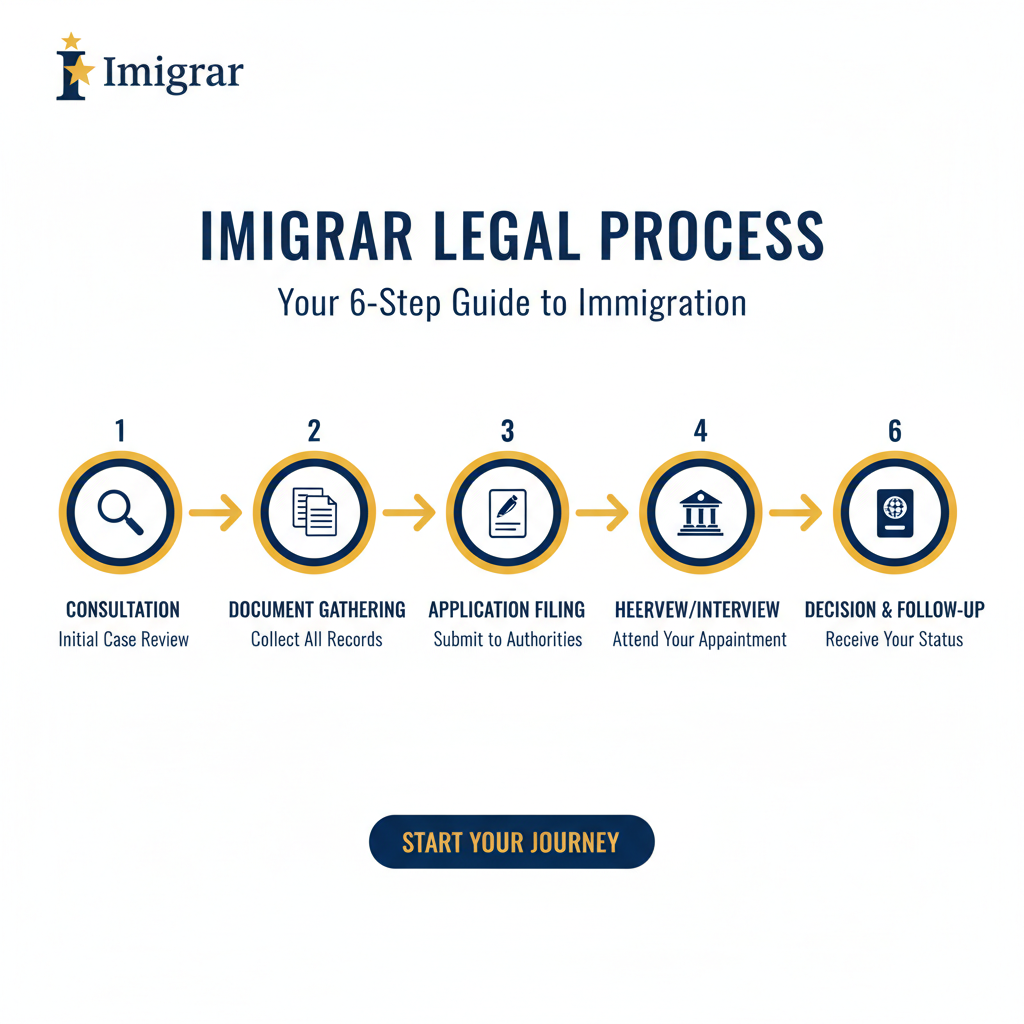
This news is significant because immigration courts currently face a backlog exceeding 3.2 million pending cases. Adding new judges aims to help reduce delays and improve the handling of immigration cases.
Furthermore, the timing of these appointments is crucial as they come amidst heightened immigration enforcement and policy changes. Many communities are experiencing anxiety over potential deportations, and the addition of judges with enforcement backgrounds may intensify these concerns. Understanding the current landscape and preparing adequately becomes essential for immigrants and their families.
How it can affect Florida residents
For immigrants in Orlando and throughout Florida, these new judges may impact how quickly cases are heard. While appointments are spread across multiple states, the overall federal immigration system’s capacity improvements may benefit Florida residents indirectly by easing nationwide backlogs.
However, some new judges have backgrounds in ICE, DHS, or as federal prosecutors. This history may influence how cases are decided, which is important for immigrants to understand as they prepare for hearings or appeals.
Practically, this could mean a shift in how cases are evaluated, with a potential emphasis on enforcement. Immigrants in Florida should be aware of how these changes might affect their individual cases, and consider seeking legal counsel to navigate the complexities of immigration court proceedings under the new judicial landscape. Being proactive in understanding these dynamics can help mitigate potential risks.
Need Help? Our Orlando immigration team is ready to assist. Call +1 786-791-3106 for a free consultation, or message us online. Se Habla Español.
What Trump Administration Appoints 42 New Immigration Judges Is (and Why It Matters)
A plain-English definition
Immigration judges are federal officials who preside over immigration court cases. They decide whether individuals can stay in the United States legally or face removal (deportation). The Trump administration’s appointment of 42 new immigration judges means these officials were chosen and sworn in to fill vacancies and handle cases.
This move is part of a broader strategy to manage the growing number of immigration cases more efficiently. By increasing the number of judges, the administration aims to streamline court processes, reduce wait times, and ensure timely adjudication of cases, which has been a major bottleneck in the immigration system.
The appointment of these judges is also a reflection of the administration's focus on enforcement and control of immigration processes. It underscores a policy shift towards potentially stricter enforcement measures, which could influence case outcomes. Understanding the role and influence of these new judges is critical for those navigating the immigration court system.
Key terms you need to know
- Immigration Judge: A judge who oversees immigration court cases within the Executive Office for Immigration Review (EOIR).
- ICE (Immigration and Customs Enforcement): The agency responsible for enforcing immigration laws, including detaining and deporting unauthorized immigrants.
- DHS (Department of Homeland Security): The federal department that oversees ICE and USCIS.
- Backlog: The large number of pending immigration cases waiting for court decisions.
- EOIR: The Executive Office for Immigration Review, which manages immigration courts.
Understanding these terms is essential for navigating the complex landscape of immigration law. Each plays a pivotal role in how cases are processed and resolved. Being familiar with these terms can empower individuals to better engage with their legal situations and seek appropriate assistance when necessary.
Current Immigration Law: The Foundation
Immigration judges operate under federal immigration law primarily found in the Immigration and Nationality Act (INA). Key statutes govern how judges make decisions and handle immigration cases.
Federal requirements
The immigration court system is governed by laws such as 8 U.S.C. §§ 1101–1537. These laws define eligibility for relief, removal procedures, and judicial authority. Judges must follow federal rules and procedures when hearing cases.
Many cases involve forms such as Form I-130 (Petition for Alien Relative) or Form I-485 (Application to Register Permanent Residence or Adjust Status), which are processed by USCIS (USCIS official website).
The legal framework ensures that all cases are handled consistently and fairly, though the interpretation and application of laws may vary depending on individual circumstances. Knowledge of these requirements can help individuals understand their rights and responsibilities within the immigration process.
Florida-specific considerations
While immigration law is federal, local USCIS offices, like the Orlando USCIS Field Office, handle applications and interviews for Floridians. Orange County and the I-4 corridor see many immigration cases. The backlog in immigration courts affects these applicants' timelines.
Florida's diverse immigrant population means that changes in immigration law and court proceedings can have widespread impacts. Individuals should stay informed about local developments and consider seeking legal advice tailored to their specific circumstances. This approach can help navigate the complexities of the immigration system more effectively.
How to Prepare for an Immigration Court Hearing: A Complete Step-by-Step Guide
1) Gather your case documents
- Notice to Appear (NTA)
- Immigration filings like Form I-130, Form I-485
- Proof of identity (passport, birth certificate)
- Evidence supporting your case (work records, family ties)
Having all your documents organized and readily accessible is the first crucial step in preparing for your hearing. This not only helps in presenting a coherent case but also ensures you can address any queries from the judge with supporting evidence. Make copies of all documents for your records and provide originals as needed during the hearing.
2) Find out your hearing date and location
- Check the EOIR online case status tool or contact your attorney
- Note the court address and time
Knowing the exact date, time, and location of your hearing is critical to avoid any inadvertent absences. Missing a hearing can have serious repercussions, including the potential for an in-absentia removal order. Keep a calendar or set reminders to ensure you attend all scheduled proceedings.
3) Consult an experienced immigration attorney
- Discuss your case facts
- Understand the possible outcomes and relief
- Prepare your testimony and documents
Legal representation can significantly influence the outcome of your case. An experienced attorney can provide guidance on legal strategy, review your documents for completeness and accuracy, and help prepare you for the types of questions you may face in court. This preparation is vital for presenting a strong and persuasive case.
4) Attend the hearing on time and prepared
- Bring all original documents and evidence
- Dress appropriately and be respectful
- Answer questions honestly and clearly
First impressions matter in court. Dressing appropriately and arriving on time demonstrates respect for the legal process. It's important to remain calm, listen carefully to questions, and answer truthfully. Clear and concise communication can positively impact the judge's perception of your case.
5) Follow up after the hearing
- Receive the judge’s decision
- File appeals if necessary
- Continue working with your attorney for next steps
After the hearing, it's crucial to understand the judge's decision and its implications. If the outcome is not favorable, you may have the option to appeal. Working closely with your attorney ensures you understand the timeline and process for any appeals or subsequent actions required in your case.
Practical Steps You Can Take Today
- Review your immigration documents and case notices carefully.
- Keep a calendar of court dates and deadlines.
- Organize your evidence and identification documents.
- Consult with an immigration attorney experienced in Florida cases.
- Prepare for possible delays due to backlog; check USCIS Processing Times regularly.
Being proactive in managing your case can alleviate some of the stress associated with immigration proceedings. Regularly reviewing your documents, staying informed about court dates, and consulting with an attorney are effective ways to stay prepared. This diligence can help ensure that you are ready to address any challenges that arise during your case.
Don't navigate immigration alone. Se Habla Español. Call +1 786-791-3106 or schedule a free consultation.
How Imigrar Helps Immigrants in Orlando
At Imigrar, we understand how complex immigration court proceedings can be, especially with the current backlog and changes in the judge roster. Our experienced team in Orlando offers personalized support to help you navigate your case.
We provide clear guidance, document preparation, and courtroom representation. Our bilingual staff ensures Se Habla Español to serve Florida’s diverse immigrant community. Contact us for a free consultation to discuss your situation.
Our comprehensive services are designed to address the unique needs of each client, offering support from initial consultation through to case resolution. By working with Imigrar, you gain access to a wealth of legal expertise and a dedicated team committed to achieving the best possible outcomes for your immigration needs.
Frequently Asked Questions
Q: Are immigration judges currently being hired?
A: Yes, in 2026, the Trump administration appointed 42 new immigration judges to fill vacancies and address the backlog in courts. These appointments are part of efforts to improve case processing times. This influx of new judges is intended to enhance the efficiency of the immigration court system, which has been overwhelmed by a growing number of cases in recent years.
Q: Who appointed more immigration judges, Trump or Obama?
A: Both administrations appointed immigration judges, but the Trump administration notably increased appointments in 2025 and 2026 after many judges left or were fired. The total number of judges fluctuates due to retirements and policy changes. This focus on increasing judicial appointments reflects different administrative priorities and approaches to managing immigration caseloads.
Q: What did Trump do to USCIS?
A: The Trump administration implemented policy changes that affected USCIS processing, including increased scrutiny and shifting enforcement priorities. This impacted application timelines and immigration benefits approvals. These changes led to extended processing times and heightened challenges for applicants seeking various immigration benefits, underscoring the importance of staying informed and prepared.
Q: Who controls immigration judges?
A: Immigration judges are federal employees under the Executive Office for Immigration Review (EOIR), part of the U.S. Department of Justice. They operate independently from USCIS and ICE but follow federal immigration law and EOIR policies. This organizational structure ensures that judges can make decisions based on legal standards rather than political influence, although policy shifts can impact how laws are interpreted.
Q: How does a judge’s background in ICE affect their decisions?
A: Judges with ICE or federal prosecutor backgrounds may have enforcement-focused perspectives. This can influence how they view evidence or relief applications, making legal representation critical in court. Understanding a judge's background can help inform case strategy and preparation, as different perspectives can impact case outcomes and interpretations of immigration law.
Q: What happens if my immigration judge retires or is fired?
A: Your case is reassigned to another immigration judge. While this can cause delays, the goal is to ensure your case is heard fairly and timely despite staffing changes. It’s important to stay in communication with your attorney to understand how these changes may impact your case timeline and what steps you need to take to ensure continuity in your legal proceedings.
Need Help? Our Orlando immigration team is ready to assist. Call +1 786-791-3106 for a free consultation, or message us online. Se Habla Español.
Common Mistakes (and How to Avoid Them)
Mistake #1: Missing court dates
Failing to appear at your immigration hearing can lead to removal orders in your absence. Always track your hearing dates carefully and notify your attorney if you cannot attend. It's crucial to understand the consequences of missing a court date and take proactive steps to avoid such situations, as this can severely impact your case.
Mistake #2: Not hiring an experienced immigration attorney
Immigration law is complicated, especially with new judges who may have enforcement backgrounds. An attorney can prepare your case and advocate for your rights effectively. Legal representation can make the difference between a favorable outcome and a challenging situation, emphasizing the value of professional guidance in navigating the immigration system.
Mistake #3: Submitting incomplete or incorrect documents
Incorrect paperwork can delay your case or cause denial. Review all forms carefully and seek professional help to ensure accuracy. Detailed attention to documentation is vital for avoiding unnecessary complications, and working with an attorney can help ensure that your submissions are complete and accurate, reducing the risk of errors that could jeopardize your case.

Take the first step. Keep Families Together.
If your immigration case is in Orlando or anywhere in Florida, Imigrar is here to guide you through these challenging times. Call +1 786-791-3106 or contact us online today for a free consultation. Se Habla Español.
Take the first step. Keep Families Together.
Related Topics
Need Legal Assistance?
Our experienced immigration attorneys are here to help with your case. Contact Imigrar today for a free consultation and let us guide you through the legal process with confidence.
📍 Orlando, Florida • Serving clients nationwide
📧 info@imigrar.com