
Surge in Missed Immigration Hearings for Fear of ICE Arrests [2026]
Learn why missed immigration hearings are rising due to fear of ICE arrests. Get practical advice and free help from Imigrar in Orlando, Florida.

Surge in Missed Immigration Hearings Linked to Fear of ICE Arrests
The reporting that sparked this guide: A flood of habeas corpus petitions challenges Trump’s mass detention of immigrants - EL PAÍS English (News Source)
What This News Means for Immigrants in Orlando and Across Florida
Why this news is showing up now
Recent reports highlight a significant rise in immigrants missing their immigration court hearings nationwide, especially in North Texas. This surge is linked to fears of ICE arrests near courthouses, causing many to skip their scheduled hearings. In 2026, this trend continues, affecting immigrants all over Florida, including Orlando and Central Florida.
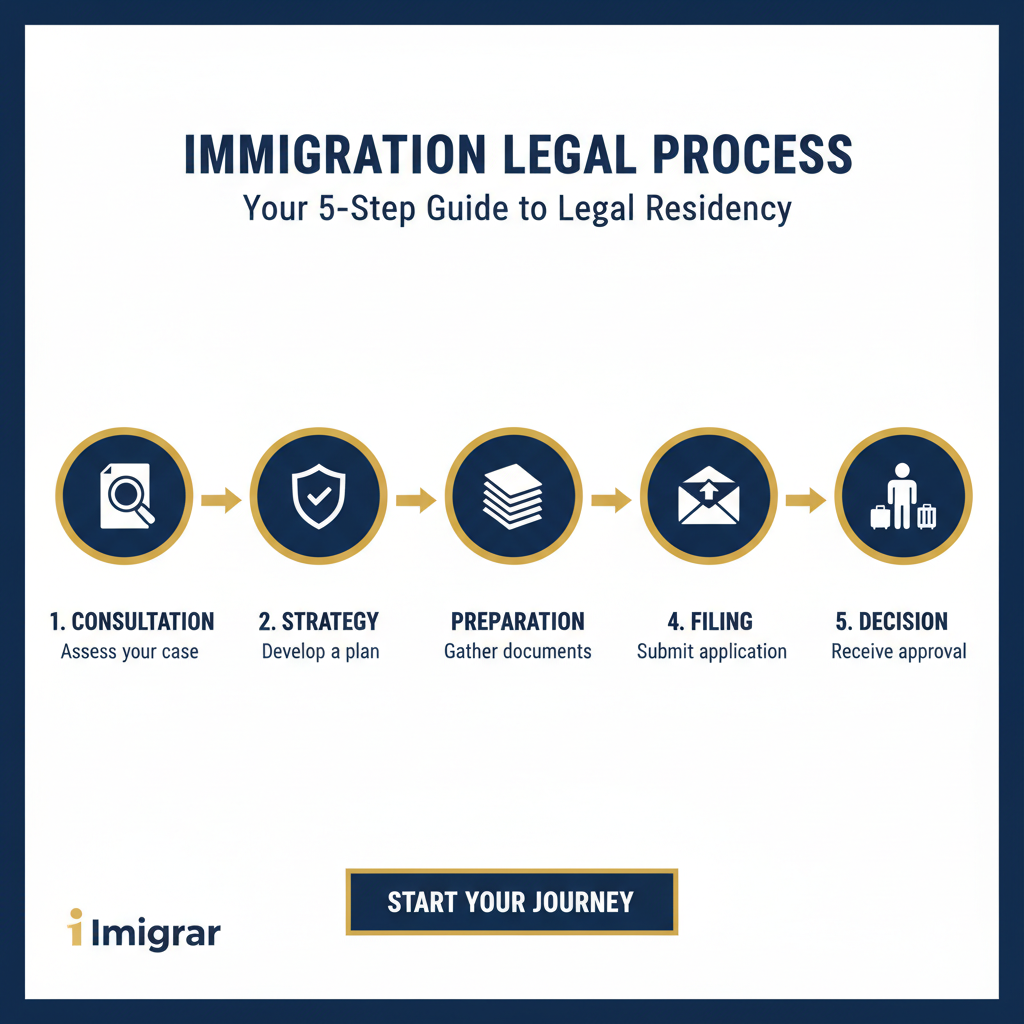
The increase in missed hearings is not just a statistic but a reflection of the growing anxiety within immigrant communities. This fear is fueled by stories of individuals being detained unexpectedly as they approach courthouses, causing a ripple effect of apprehension and mistrust in the legal process. For many, the risk of detention overshadows the necessity of attending court hearings, leading to dire legal outcomes.
Moreover, the broader implications of this trend highlight systemic challenges within the immigration system. The need for more comprehensive and humane immigration reforms becomes evident as more individuals find themselves caught between the need to comply with legal obligations and the fear of enforcement actions that may separate them from their families and communities.
How it can affect Florida residents
For immigrants living in Florida, missing a hearing can lead to an in absentia removal order, which often means automatic deportation. This drastically reduces chances for asylum or other relief. It is crucial for Orlando residents and others in the I-4 corridor to understand the risks and legal options to avoid these consequences.
Florida's diverse immigrant population, including those residing in vibrant communities throughout Miami, Tampa, and Jacksonville, faces unique challenges. The fear of ICE arrests adds an additional layer of complexity, deterring individuals from engaging with legal proceedings that could otherwise be beneficial to their cases. The potential for deportation is not the only concern; the absence of an opportunity to present their case can lead to long-term separation from family and loss of economic stability.
Understanding the local context is key. Florida's legal landscape involves varying enforcement practices, and knowing these can help residents make informed decisions. Legal assistance is crucial in navigating these challenges, providing a pathway to remain compliant with legal processes while minimizing the risk of detention.
Need Help? Our Orlando immigration team is ready to assist. Call +1 786-791-3106 for a free consultation, or message us online. Se Habla Español.
What Surge in Missed Immigration Hearings Linked to Fear of ICE Arrests Is (and Why It Matters)
A plain-English definition
This topic refers to the increasing number of immigrants who do not attend their scheduled immigration court hearings because they fear being arrested by Immigration and Customs Enforcement (ICE) agents near the court. When someone misses a hearing, the court can issue a removal order without them present. This is called an in absentia removal order and usually leads to deportation.
In practical terms, an in absentia removal order means that an individual's case is decided without their input, often resulting in deportation proceedings that they cannot contest. This not only affects their immediate legal status but can also have long-term effects, such as bans on re-entry and ineligibility for various forms of relief or adjustment of status.
For immigrants, the court date is a critical opportunity to present evidence, clarify misunderstandings, and potentially secure a favorable outcome. Missing this chance due to fear of ICE enforcement means losing the opportunity to challenge deportations and assert any defenses that might be available under U.S. immigration law.
Key terms you need to know
- ICE arrests at immigration court: When ICE agents detain individuals near or at immigration court.
- In absentia removal order: A deportation order issued when a person fails to appear at their hearing.
- EOIR case status: The current status of your case at the Executive Office for Immigration Review.
- Adjustment of Status: The process of changing from a temporary immigration status to lawful permanent resident status.
- Priority Date: The date your immigration petition was filed, important for visa availability.
Understanding these terms is critical for navigating the immigration system. The EOIR case status is your link to current information on your case, and keeping track of your Priority Date can be essential for timely visa processing. Meanwhile, knowing about Adjustment of Status options can open pathways to more stable immigration status, which is crucial for those fearing immediate deportation risks at court appearances.
Current Immigration Law: The Foundation
Federal immigration laws govern how hearings and removals work. The Immigration and Nationality Act (INA) sets requirements for attending hearings and consequences for missing them.
Federal requirements
Under 8 U.S.C. § 1229a, immigrants must attend all scheduled hearings. Missing a hearing can lead to an in absentia removal order unless the person can prove a valid reason for absence within a short period. The Executive Office for Immigration Review (EOIR) manages immigration courts and enforces these rules. Learn more at the EOIR official website.
The INA provides a structured framework that dictates the proceedings of immigration courts. This framework is designed to ensure fairness and due process, but missing a court date disrupts this process, often to the detriment of the absent party. The law does allow for motions to reopen cases if new information or circumstances arise, but these are subject to strict time limits and evidentiary requirements.
Moreover, the role of the EOIR is pivotal in adjudicating cases fairly and efficiently. They provide oversight and maintain records of all proceedings, making it essential for immigrants to stay informed about their case status through official channels. This engagement not only aids in compliance but also helps individuals to prepare adequately for hearings, potentially improving their case outcomes.
Florida-specific considerations
Although immigration law is federal, Florida residents, especially in Orlando and Orange County, should be aware of local ICE enforcement patterns. The Orlando USCIS Field Office processes many applications such as Form I-130 (Petition for Alien Relative) and Form I-485 (Application to Register Permanent Residence or Adjust Status). Visit the USCIS official website for application forms and guidance.
Florida's unique geographic and demographic characteristics influence how immigration laws are applied. The large immigrant population in the state means that local enforcement can vary significantly from other parts of the country. For instance, the proximity to international borders and ports may affect how ICE prioritizes its operations, making it vital for residents to be well-informed and prepared.
Engaging with local immigrant advocacy groups and legal professionals can provide valuable insights into the nuances of Florida's immigration enforcement environment. These resources can offer guidance tailored to the specific challenges faced by immigrants in the region, from understanding local trends to accessing emergency legal support when needed.
Don't navigate immigration alone. Se Habla Español. Contact Imigrar for expert help in Orlando.
How to Avoid Missing Your Immigration Hearing: A Complete Step-by-Step Guide
1) Understand your hearing schedule
Keep track of your hearing date and time carefully. Confirm your hearing details via the EOIR case status website.
- Immigration court notice (Form I-862)
- EOIR case number
Ensuring that you have the correct date and time for your hearing is crucial. Errors can occur in mailing notices, and changes to court schedules can happen unexpectedly. Regularly checking your case status online and maintaining a backup of all relevant documents will help you stay on top of your court obligations.
2) Prepare your documents in advance
Gather all supporting documents such as identity papers, application receipts, and evidence for your case.
- Passports or birth certificates
- USCIS forms like Form I-130 or Form I-485
- Any legal notices or correspondence
Having your documents organized and ready not only helps in presenting your case effectively but also shows the court your commitment to the process. It's advisable to keep multiple copies of essential documents and store them in a secure, easily accessible place. This preparation can be a deciding factor in the success of your hearing.
3) Arrange safe transportation
Plan your route to the court to avoid delays or unnecessary exposure to ICE enforcement near the courthouse. Consider traveling with a trusted companion if possible.
Transportation is a critical aspect of attending your hearing on time. Research the safest routes, consider potential traffic issues, and factor in additional time for parking or public transport delays. Traveling with someone who can provide support and witness your journey can also offer peace of mind and additional security.
4) Know your rights at the courthouse
You have the right to legal representation and to not consent to searches without a warrant. Stay calm and contact your attorney if approached by ICE.
Understanding your rights is empowering. In situations where you might be approached by ICE, remaining calm and knowing your legal rights can prevent escalation and protect you from unlawful detention. Always have your attorney's contact information readily available and do not sign any documents without consulting them first.
5) Attend your hearing on time
Arrive early and check in with court staff. Missing your hearing can lead to serious consequences.
Punctuality is key. Arriving early allows you to familiarize yourself with the courtroom environment, collect your thoughts, and ensure that you’re prepared when your case is called. It also demonstrates respect for the court process and can positively influence how your case is perceived.
6) If you fear ICE presence, consult your attorney immediately
Discuss alternatives or safety plans with your lawyer to avoid missing court while protecting yourself.
Fear of ICE should not prevent you from attending court. Your attorney can suggest strategies such as entering the courthouse through less busy entrances or arranging for legal observers to accompany you. Addressing these fears proactively can help ensure your legal obligations are met without compromising your safety.
7) If you miss a hearing, act quickly
You may have a limited time to file a motion to reopen your case. Contact an attorney immediately.
Time is of the essence if you miss your hearing. The sooner you take action, the better your chances of reopening your case and presenting your reasons for absence. Legal assistance is crucial in navigating the process of filing a motion to reopen, as it involves meeting specific criteria and deadlines.
Practical Steps You Can Take Today
- Mark your immigration hearing date clearly on your calendar.
- Keep copies of all immigration documents in a safe place.
- Find an experienced immigration attorney in Orlando to prepare with you.
- Stay informed about ICE activity near your local court.
- Consider alternatives like virtual hearings if available.
- Prepare a list of emergency contacts, including your attorney and trusted family members.
- Allow at least 90 days to prepare your case before the hearing.
Taking proactive steps can significantly mitigate the risks associated with attending immigration hearings. From organizing your documents to consulting with legal experts, each action you take strengthens your position and enhances your chances of a favorable outcome. Staying informed and prepared is your best defense.
How Imigrar Helps Immigrants in Orlando
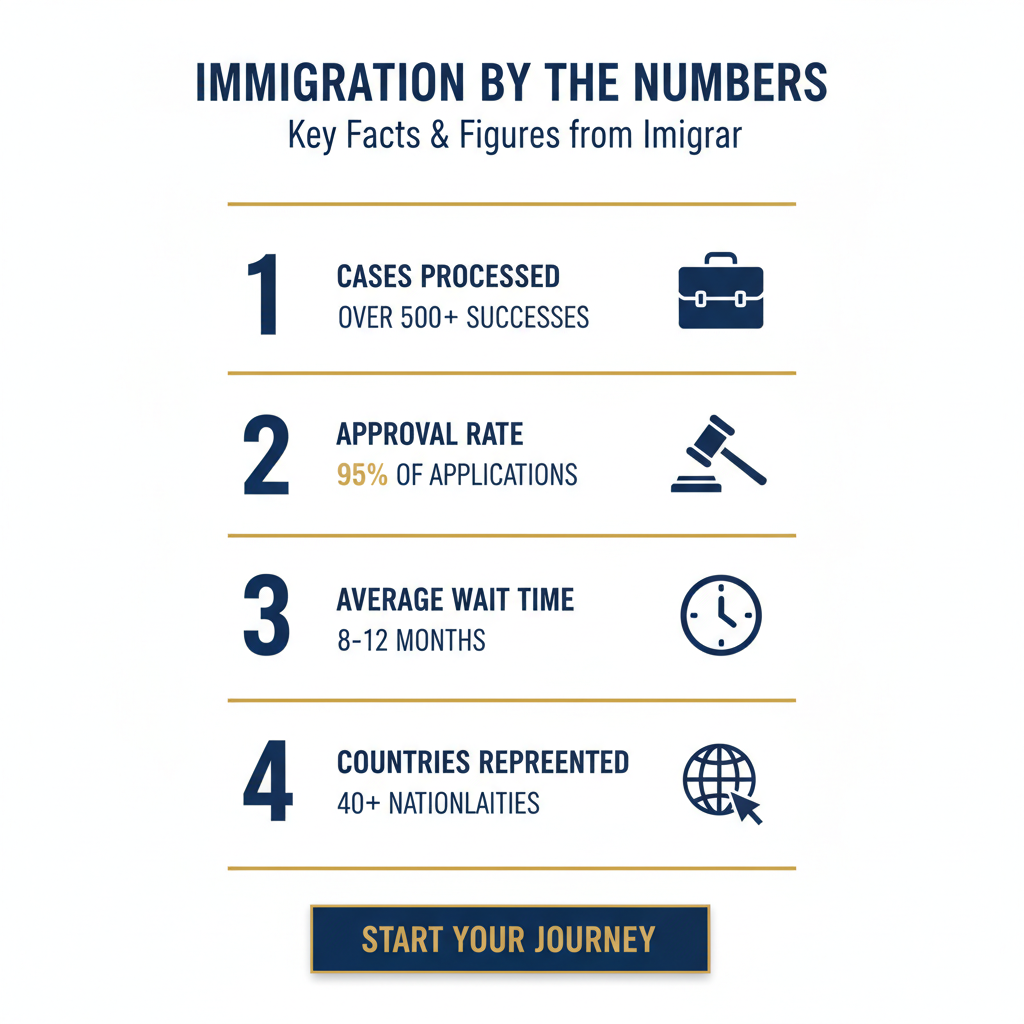
Imigrar specializes in immigration law, serving clients throughout Florida and nationwide. Our team understands the challenges immigrants face attending hearings under fear of ICE arrests. We offer knowledgeable, compassionate legal assistance to help you navigate court processes safely.
Our services are tailored to meet the individual needs of each client, providing personalized support that takes into account the complexities of your unique situation. From initial consultations to courtroom representation, we are committed to safeguarding your rights and helping you achieve the best possible outcome for your case.
Contact us for a free consultation. Se Habla Español.
Need Help? Our Orlando immigration team is ready to assist. Call +1 786-791-3106 for a free consultation, or message us online. Se Habla Español.
Frequently Asked Questions
Q: Is ICE arresting immigrants at immigration courts?
A: Yes, ICE sometimes arrests immigrants near courthouses, which causes fear and missed hearings. Knowing your rights and having legal representation can help reduce risks. It's important to have a plan and be aware of your surroundings when attending court, ensuring you are prepared for any situation.
Q: What happens if I don’t show up to my immigration court hearing?
A: The judge may issue an in absentia removal order, often leading to deportation without another hearing. It is critical to attend or seek legal advice immediately if you miss a hearing. Being proactive and addressing any missed hearings promptly can significantly impact your case's outcome.
Q: How long does it take for an immigration judge to make a decision after a hearing?
A: Decisions vary by case. Some judges rule immediately; others take weeks or months. You can check your case status on the EOIR website. Staying in touch with your attorney and monitoring your case status can keep you informed about any updates.
Q: Are people being detained at the immigration court?
A: ICE may detain individuals at or near court, but this depends on enforcement priorities and local policies. Legal counsel can advise on how to handle these situations. It's crucial to be aware of the risk and have a legal plan in place when attending hearings.
Q: Can I reschedule my immigration hearing if I am afraid of ICE?
A: Rescheduling is possible but requires valid reasons and legal support. Fear alone may not be sufficient, so consult an attorney early. Providing documented evidence and having legal backing can strengthen your case for rescheduling.
Q: What documents should I bring to my immigration court hearing?
A: Bring all notices from USCIS or EOIR, identification documents, any evidence supporting your case, and your attorney’s contact information. Being thoroughly prepared with all necessary documentation ensures you can effectively present your case.
Common Mistakes (and How to Avoid Them)
Mistake #1: Missing your hearing without notifying the court
Always attend your hearing or file a motion to reschedule with legal help. Missing court without explanation leads to removal orders.
It's essential to communicate with the court if you are unable to attend. Legal representation can assist in filing the necessary motions and providing valid reasons to avoid negative outcomes.
Mistake #2: Not seeking legal representation early
Immigration law is complex. Early legal advice can prevent missed hearings and help you prepare.
Engaging with an attorney early in your immigration process can provide valuable insights and guidance, ensuring you are well-prepared and informed about the proceedings and potential outcomes.
Mistake #3: Ignoring ICE enforcement risks near courts
Plan your transportation and understand your rights to minimize exposure to ICE at court locations.
Being aware of local ICE activity and planning your visit to the courthouse carefully can help mitigate risks and allow you to attend your hearings with confidence and security.
Take the first step. Keep Families Together. Call +1 786-791-3106 or contact Imigrar today. Se Habla Español.
Location-Specific Information for Orlando and Central Florida
If your immigration case is in Orlando, you will likely attend hearings in the local immigration court serving Orange County and the greater I-4 corridor. The Orlando USCIS Field Office is a key location for filing adjustment of status and other immigration forms. Understanding local ICE enforcement patterns and court schedules can help you prepare better.
Orlando's immigration court system is part of a broader network of services available to immigrants in Central Florida. Familiarizing yourself with the specific procedures and expectations of these local courts can be beneficial. Engaging with community organizations and legal clinics can provide additional support and resources tailored to the needs of Orlando's immigrant population.

Contact Imigrar for Trusted Immigration Help in Orlando
Facing immigration court can be stressful, especially with concerns about ICE arrests. Imigrar is here to support you every step. Call us at +1 786-791-3106 for a free consultation. Se Habla Español. Visit https://www.imigrar.com/contact to get started.
```Related Topics
Need Legal Assistance?
Our experienced immigration attorneys are here to help with your case. Contact Imigrar today for a free consultation and let us guide you through the legal process with confidence.
📍 Orlando, Florida • Serving clients nationwide
📧 info@imigrar.com