
Senate Hearing Questions Birthright Citizenship in 2026
Explore the 2026 Senate hearing on birthright citizenship and the 14th Amendment. Understand impacts for immigrants in Florida. Call +1 786-791-3106.
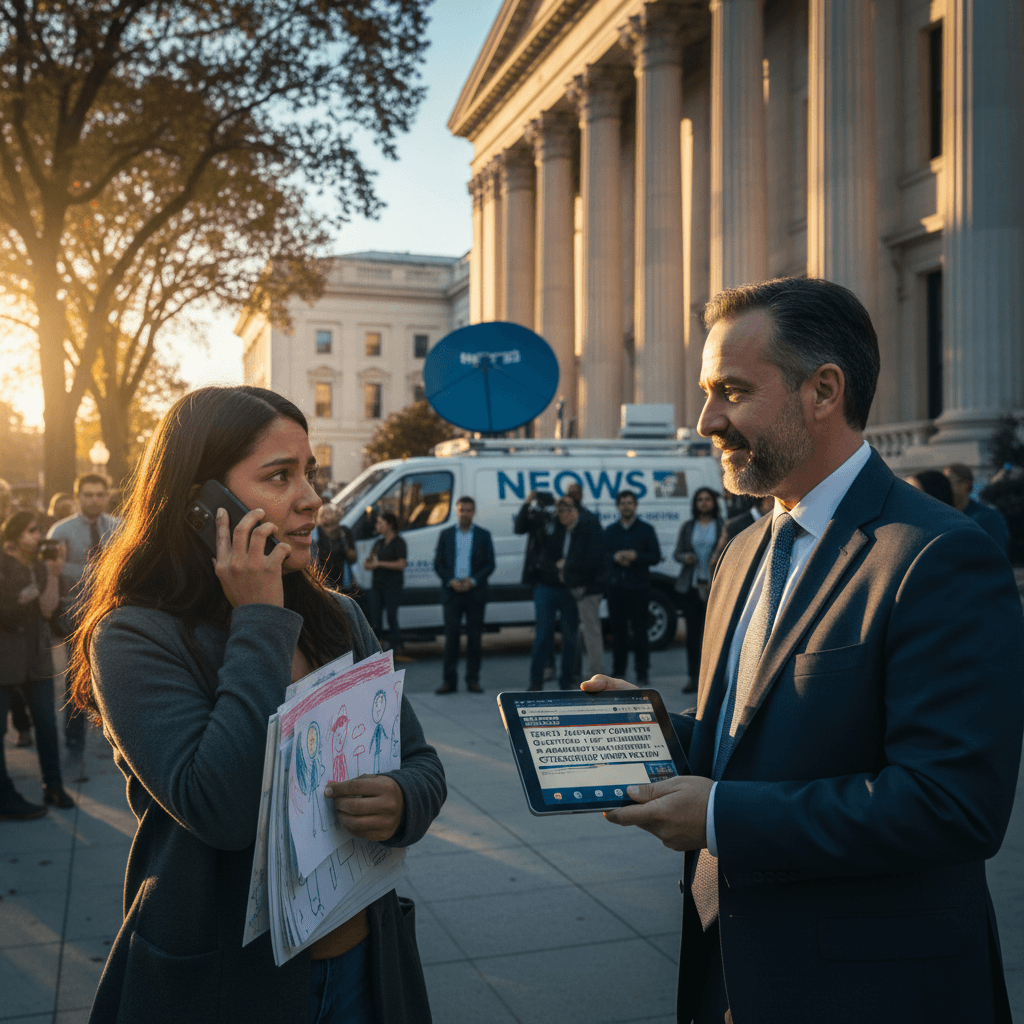
Senate Hearing Questions Birthright Citizenship as Debate Over the 14th Amendment Intensifies in Washington
The reporting that sparked this guide: A flood of habeas corpus petitions challenges Trump’s mass detention of immigrants - EL PAÍS English (News Source)
What This News Means for Immigrants in Orlando and Across Florida
Why this news is showing up now
In 2026, Senator Eric Schmitt chaired a Senate hearing focused on birthright citizenship. This hearing is part of a broader debate about the 14th Amendment, specifically its Citizenship Clause. The discussion arises as some lawmakers argue that the interpretation of this amendment has been stretched beyond its original intent. This debate follows former President Trump’s executive order attempting to limit birthright citizenship for children born to undocumented immigrants and tourists.
The timing of this hearing is significant as it reflects a growing interest in revisiting constitutional interpretations, particularly those affecting immigration policy. As immigration remains a hot-button issue in U.S. politics, the hearing indicates a potential shift in legislative priorities that could impact millions of families.
Furthermore, the hearing takes place against a backdrop of increasing legal and political challenges to immigration policies across the country. The outcomes of such debates could have far-reaching consequences, not only for immigrants and their families but also for the broader legal landscape concerning citizenship rights.
How it can affect Florida residents
For immigrants living in Orlando, Florida, and across the state, this debate could mean changes to how citizenship is granted to children born in the United States. If the Citizenship Clause is redefined, families may face new legal challenges when applying for citizenship or adjustment of status. Staying informed about these changes can help you prepare and protect your family’s rights.
Florida, with its significant immigrant population, stands to be particularly affected by any changes to birthright citizenship. Families may need to navigate new legal frameworks, potentially resulting in prolonged waits for citizenship confirmation and increased bureaucratic hurdles. This could also lead to a rise in legal consultations and a need for clear guidance on the evolving laws.
Moreover, community organizations and legal aid services in Florida may see increased demand for assistance as families seek to understand and adapt to potential changes. Engaging with these resources early can provide essential support and reassurance during times of legal uncertainty.
Need Help? Our Orlando immigration team is ready to assist. Call +1 786-791-3106 for a free consultation, or message us online. Se Habla Español.
What Birthright Citizenship Is (and Why It Matters)
A plain-English definition
Birthright citizenship means that any person born on United States soil is automatically a U.S. citizen. This principle is established by the 14th Amendment of the U.S. Constitution, which declares that all people born or naturalized in the United States are entitled to citizenship. This rule applies regardless of the immigration status of the parents.
The concept of birthright citizenship is deeply rooted in American legal history, designed to ensure that all individuals born in the country are afforded equal rights and protections. It plays a critical role in shaping the national identity and demographic landscape, contributing to the diversity that characterizes the United States.
However, this foundational principle is often at the center of heated debates, particularly in contexts involving immigration. Discussions around its interpretation and application highlight the complexities of balancing national security, humanitarian considerations, and constitutional integrity.
Key terms you need to know
- 14th Amendment: A constitutional amendment guaranteeing citizenship to all persons born in the U.S.
- Citizenship Clause: The part of the 14th Amendment that grants citizenship by birth.
- Undocumented immigrants: People living in the U.S. without legal immigration status.
- Naturalized citizens: Immigrants who become U.S. citizens through legal application processes.
Understanding these terms is important because current debates question whether birthright citizenship should apply to children of undocumented immigrants or tourists.
The discussions around these terms often reflect broader societal debates on immigration policy and national identity. Clarity on these definitions helps inform personal decisions and public discourse, ensuring that stakeholders can engage meaningfully with the issues at hand.
As the debate intensifies, it is crucial for individuals directly affected, as well as advocates and policymakers, to remain informed about the potential implications of redefining these critical legal principles.
Current Immigration Law: The Foundation
Federal requirements
The Citizenship Clause of the 14th Amendment, ratified in 1868, states: "All persons born or naturalized in the United States, and subject to the jurisdiction thereof, are citizens of the United States." This has been the basis for birthright citizenship in U.S. law. Federal immigration laws, including statutes enforced by the USCIS official website, uphold this principle.
Immigrants seeking to adjust their status must file certain forms. For example, Form I-130 (Petition for Alien Relative) and Form I-485 (Application to Register Permanent Residence or Adjust Status) are commonly used.
These processes ensure that individuals and families can navigate the path to legal residency and citizenship under clearly defined legal frameworks. The established procedures provide a structured avenue for individuals to integrate fully into American society, contributing to its economic and cultural vibrancy.
Florida-specific considerations
In Orlando and Central Florida, the local USCIS Field Office processes many immigration applications. Orange County residents benefit from access to these services along the I-4 corridor. While federal laws govern citizenship, local resources and community organizations can assist immigrants in navigating the system.
Given Florida's diverse immigrant population, the state plays a critical role in the national conversation on immigration policy. Local advocacy groups and legal aid services are vital in providing support and resources to those navigating immigration processes.
By leveraging these resources, immigrants in Florida can better understand the legal landscape and take proactive steps to secure their status and protect their families' futures. Engaging with community support networks can also foster a sense of belonging and stability during times of change.
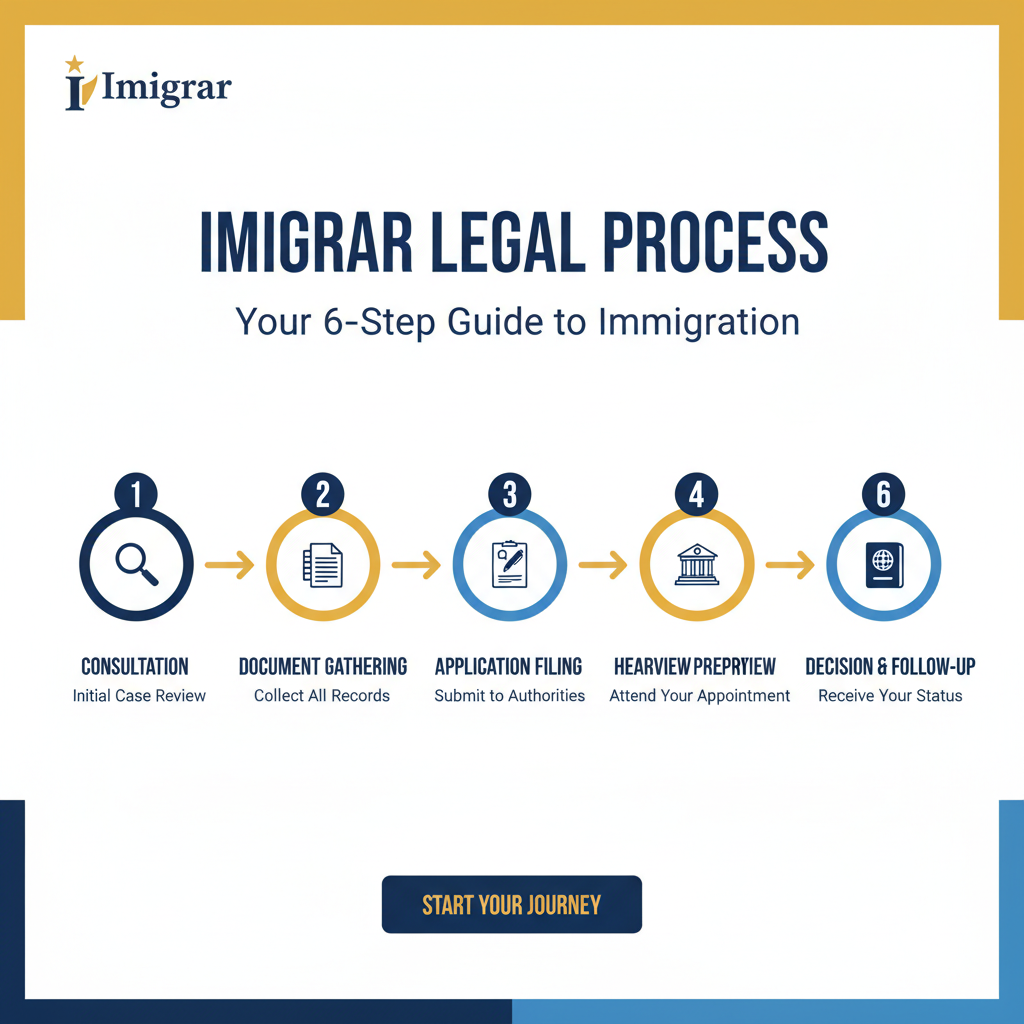
How to Apply for Citizenship for Your Child Born in the U.S.: A Complete Step-by-Step Guide
1) Confirm your child’s birth documentation
Obtain an official birth certificate from the hospital or county where your child was born. This document proves birth in the United States.
- Hospital birth records
- County-issued birth certificate
Ensuring that you have the correct documentation is crucial for confirming your child's citizenship status. Accurate records help prevent future legal complications and provide a solid foundation for any necessary immigration paperwork.
2) Understand your eligibility for citizenship benefits
Children born in the U.S. are generally automatically citizens, but parents should verify eligibility for related benefits or legal protections.
Eligibility for various benefits can depend on several factors, including the parents' immigration status and the child's circumstances. Understanding these nuances will help ensure that you can access all available resources to support your child's development and well-being.
3) Gather documentation for immigration applications
Prepare identification, proof of residence, and immigration status documents if applying for benefits or adjustment of status.
- Passports
- Immigration cards
- Proof of address
Having the correct documentation readily available can streamline application processes and reduce wait times for approvals. Staying organized and proactive in gathering necessary paperwork is essential for efficient navigation of immigration systems.
4) File necessary USCIS forms
Common forms include Form I-130 and Form I-485. Check USCIS Forms for the latest versions and instructions.
Filing the correct forms accurately is vital to avoid delays or denials. Double-checking requirements and staying informed about any updates to USCIS procedures will help ensure successful submissions.
5) Attend biometrics and interviews
USCIS requires applicants to attend appointments for fingerprinting and interviews to verify identity and eligibility.
These steps are necessary for confirming your identity and eligibility. Being prepared and punctual for these appointments demonstrates your commitment to complying with immigration laws and processes.
6) Await decision and follow up
Monitor your case status at USCIS Processing Times. Prepare to provide additional documents if requested.
Keeping track of your application status can help you quickly address any requests for additional information. Staying informed about processing times and maintaining open communication with USCIS can facilitate a smoother application experience.
Practical Steps You Can Take Today
- Make certified copies of your child’s birth certificate and your immigration documents.
- Keep records organized in a safe place accessible for application processes.
- Stay informed about local USCIS office locations and hours in Orlando.
- Begin preparing forms early to meet deadlines and avoid delays.
- Consider consulting an immigration attorney to discuss your specific situation.
Reminder: Immigration procedures can take several months. Planning ahead is key.
Proactive planning is essential for navigating immigration processes smoothly. By taking these steps, you can minimize stress and ensure that you are well-prepared for any requirements or changes that may arise.
Don't navigate immigration alone. Se Habla Español. Contact Imigrar for help. Call +1 786-791-3106 or visit our contact page.
How Imigrar Helps Immigrants in Orlando
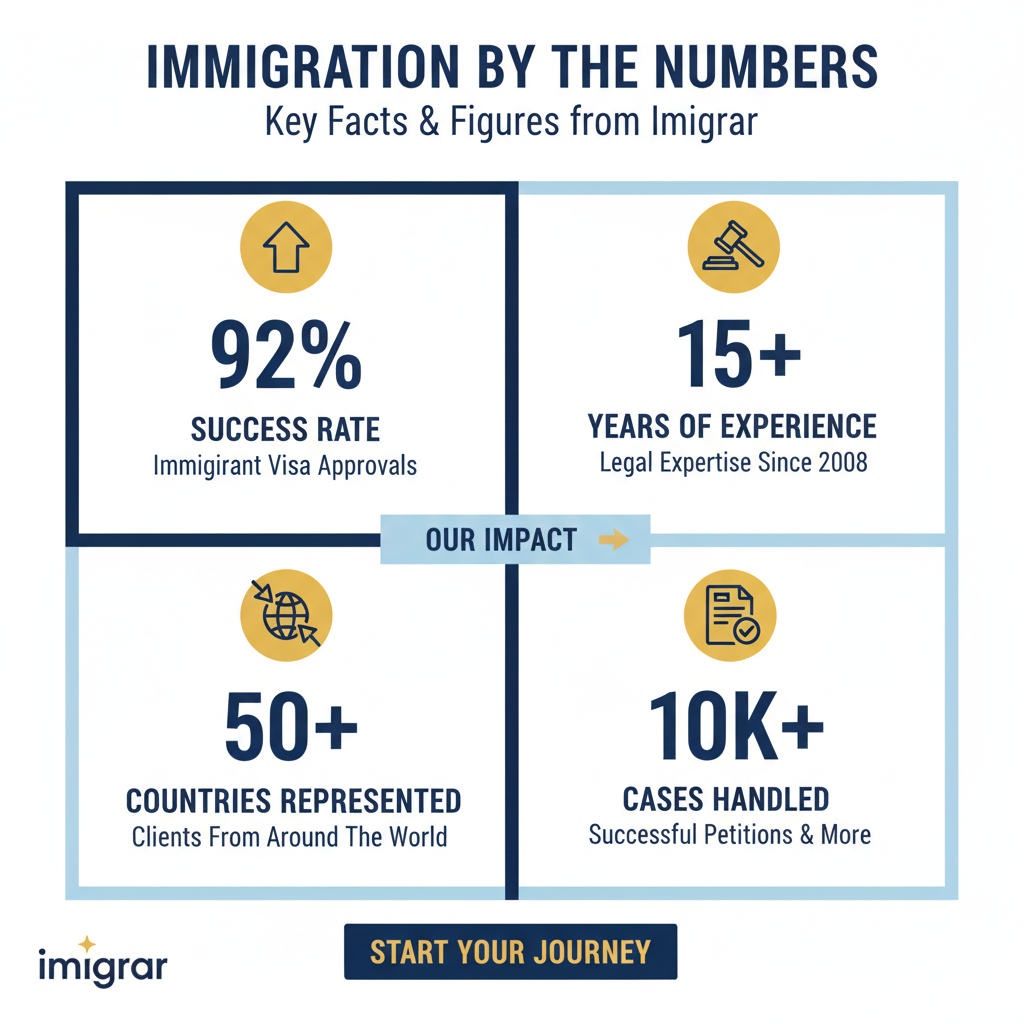
Imigrar has extensive experience assisting immigrants across Florida with citizenship and immigration matters. Our dedicated team understands the complexities of federal laws and local procedures.
We offer free consultations to discuss your case. Our bilingual staff ensures that Se Habla Español.
Whether your case involves birthright citizenship questions or adjustment of status, Imigrar is here to guide you every step of the way.
Our commitment to providing expert guidance and personalized support helps ensure that you have the resources and knowledge needed to make informed decisions about your immigration journey.
Through our comprehensive services, we aim to empower immigrants and their families with the tools necessary to navigate the legal landscape successfully and secure their future in the United States.
Frequently Asked Questions
Q: Does the 14th Amendment apply to children of undocumented immigrants?
A: Yes. The 14th Amendment currently grants citizenship to anyone born on U.S. soil, regardless of the parents’ status. However, ongoing debates might affect this interpretation in the future. It's important to stay updated on legal proceedings and potential changes to understand how they may impact your family's rights.
Q: What does the 14th Amendment declare about citizenship?
A: It declares that all people born or naturalized in the United States are citizens of the United States and of the state wherein they reside. This foundational principle ensures equal rights and protections for all citizens, reflecting the country's commitment to inclusivity and equality.
Q: Can birthright citizenship be limited by executive order?
A: Executive orders cannot change constitutional rights. Attempts like President Trump’s executive order face legal challenges and require congressional or judicial approval to be effective. The separation of powers ensures that significant changes to constitutional rights undergo thorough scrutiny and legal validation.
Q: How long does the adjustment of status process take in Florida?
A: Processing times vary, often between 6 to 12 months, depending on case specifics and USCIS workload. Check USCIS Processing Times for updates. Being aware of these timelines allows you to plan effectively and manage expectations while awaiting a decision.
Q: What documents do I need to apply for my child's citizenship?
A: Key documents include your child’s birth certificate, parents’ identification and immigration status, and any relevant USCIS forms like Form I-130. Preparing these documents in advance ensures that you are ready to proceed with applications promptly and accurately.
Q: What happens if my application is denied?
A: You may appeal or file a motion to reopen depending on the reason for denial. Consulting an immigration attorney can help you understand options and next steps. Legal guidance can provide clarity and support in navigating the appeals process effectively.

Common Mistakes (and How to Avoid Them)
Mistake #1: Missing deadlines on USCIS forms
Always submit applications and supporting documents on time to avoid delays or denials. Keeping track of deadlines and setting reminders can help ensure timely submissions and reduce the risk of complications.
Mistake #2: Incomplete or inaccurate documentation
Double-check all forms and documents for accuracy before submission. Mistakes can lead to delays and additional scrutiny, so taking the time to review your paperwork thoroughly is crucial.
Mistake #3: Not seeking legal advice when needed
Immigration law is complex. Getting professional help can prevent costly errors. An attorney can offer valuable insights and strategies tailored to your specific circumstances, enhancing your chances of a successful outcome.
Take the first step. Keep Families Together. Contact Imigrar today for trusted immigration help in Orlando, Florida. Call +1 786-791-3106 or message us online. Se Habla Español.
Related Topics
Need Legal Assistance?
Our experienced immigration attorneys are here to help with your case. Contact Imigrar today for a free consultation and let us guide you through the legal process with confidence.
📍 Orlando, Florida • Serving clients nationwide
📧 info@imigrar.com