
Pressley-Led Effort Forces Haiti TPS Vote in 2026
Rep. Ayanna Pressley secured 218 signatures to force a House vote on Haiti TPS protections. Learn what this means for Florida immigrants. Call +1 786-791-3106.

Pressley-Led Effort Forces Haiti TPS Vote in 2026
The reporting that sparked this guide
For the latest developments on Haitian Temporary Protected Status (TPS), see This Week in Immigration: March 27, 2026 - Boundless Immigration (News Source).
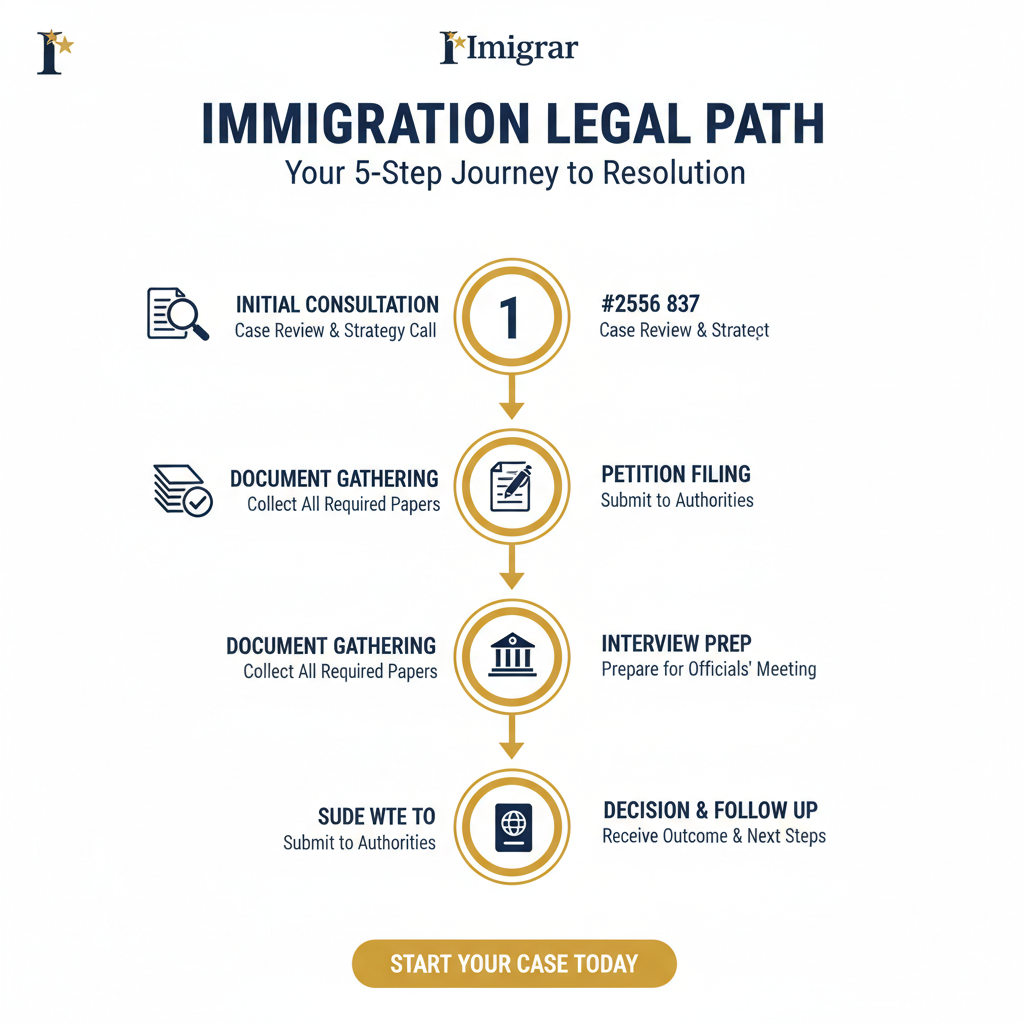
The significance of this report cannot be overstated. With the political landscape constantly evolving, having up-to-date information is crucial for both policymakers and the public. This source provides a detailed analysis of the legislative process and its implications for the Haitian community in the U.S.
The decision to report on this topic was driven by the urgency of the situation and the potential impact on thousands of Haitian nationals who rely on TPS for their safety and livelihood. The coverage aims to shed light on the mechanisms of change within the legislative system and the role of key figures like Rep. Ayanna Pressley.
Stay informed by following reliable news outlets and engaging with community organizations that advocate for immigrant rights. This knowledge empowers individuals and communities to take informed actions and participate in the democratic process.
Need Help? Our Orlando immigration team is ready to assist. Call +1 786-791-3106 for a free consultation, or message us online. Se Habla Español.
What This News Means for Immigrants in Orlando and Across Florida
Why this news is showing up now
Rep. Ayanna Pressley recently secured 218 signatures on a discharge petition. This action forces a floor vote in the House of Representatives on extending protections for Haitian TPS holders. The discharge petition bypasses leadership delays, guaranteeing that Congress must take action on this important immigration issue in 2026.
This development highlights the power of legislative tools such as the discharge petition in overcoming procedural hurdles that often stall important legislation. It underscores the determination of lawmakers who advocate for immigrant communities and their rights to safety and stability within the U.S.
The decision to act now is a response to the pressing need for humanitarian support, as political and economic instability in Haiti continues to pose significant risks for its citizens. The timing aligns with broader immigration reform efforts that seek to address systemic issues within the U.S. immigration system.
How it can affect Florida residents
Florida has a significant Haitian immigrant population, especially in areas like Orlando and the broader Central Florida region along the I-4 corridor. This vote could influence the continuation or expansion of Temporary Protected Status for Haitian nationals living in Florida, helping families maintain work authorization and protection from deportation.
For many Haitian families residing in Florida, TPS is more than just a legal status; it is a lifeline that enables them to live without fear of deportation and provides the opportunity to work legally in the U.S. This stability allows families to contribute economically to their communities and secure better futures for their children.
The potential extension or expansion of TPS could also alleviate some of the pressures on local economies by ensuring that Haitian immigrants remain active participants in the workforce. It is a chance to reinforce community ties and support diversity as a cornerstone of Florida's cultural and economic vitality.
Need Help? Our Orlando immigration team is ready to assist. Call +1 786-791-3106 for a free consultation, or message us online. Se Habla Español.
What Haitian TPS Is (and Why It Matters)
A plain-English definition
Temporary Protected Status (TPS) is a form of humanitarian relief the U.S. government grants to eligible nationals of certain countries experiencing unsafe conditions. For Haitians, TPS offers protection from deportation and allows work authorization because of ongoing challenges like natural disasters or political instability.
In practical terms, TPS provides a temporary haven for individuals who cannot safely return to their home country due to extraordinary circumstances. It is a compassionate response to crises that recognize the inherent human right to safety and dignity.
TPS is not a pathway to citizenship, but it offers critical protections that allow immigrants to establish stability in the U.S., often providing opportunities for education, employment, and community engagement that would otherwise be inaccessible.
Key terms you need to know
- Temporary Protected Status (TPS): A temporary immigration status that protects eligible individuals from removal and allows work permits.
- Discharge Petition: A tool used by members of the U.S. House to force a floor vote on legislation, bypassing committee leadership delays.
- House Floor Vote: A vote by all members of the House of Representatives to approve or reject a bill or measure.
- Work Authorization: The legal permission to work in the U.S., often granted alongside TPS status.
Understanding these terms is crucial for anyone navigating the U.S. immigration system, as they form the basis of how TPS is applied and managed within the legal framework of the country.
These terms also reflect the complex interplay between legislative action and individual rights, highlighting the importance of informed advocacy in shaping policies that affect immigrant communities.
Current Immigration Law: The Foundation
Federal requirements
TPS is authorized by the Immigration Act of 1990 under 8 U.S.C. § 1254a. The Secretary of Homeland Security determines which countries qualify for TPS based on conditions like armed conflict or environmental disasters.
Haitian nationals currently eligible for TPS must file or renew using Form I-821 (Application for Temporary Protected Status). Work authorization is requested via Form I-765 (Application for Employment Authorization).
Compliance with federal requirements is essential for maintaining TPS status. Applicants must ensure accurate documentation and timely submissions to avoid jeopardizing their legal standing in the U.S.
Federal law provides a structured process for TPS designation and renewal, reflecting the balance between national security interests and humanitarian obligations. It is a testament to the U.S.'s commitment to protecting vulnerable individuals in times of crisis.
Florida-specific considerations
Florida's large Haitian community means many residents depend on TPS for legal presence and employment. Local USCIS offices, including the Orlando USCIS Field Office, process TPS applications and renewals. Timely filing and document preparation are crucial to maintain status and work permits.
For detailed USCIS forms and updates, visit the USCIS official website.
Local support networks play a vital role in assisting TPS holders with navigating the complexities of immigration procedures. Community organizations and legal aid services provide resources and advocacy to help individuals secure their status and protect their rights.
Florida's diverse immigrant population contributes significantly to the state's cultural and economic landscape. Ensuring the continuity of TPS protections is essential for maintaining this diversity and supporting the communities that enrich the region.
How to Maintain or Apply for Haitian TPS: A Complete Step-by-Step Guide
1) Check eligibility
Ensure you are a national of Haiti and meet the continuous residence and physical presence requirements as determined by the latest TPS designation. Avoid gaps that can cause ineligibility.
Eligibility criteria are designed to ensure that TPS benefits are extended to those genuinely in need. It is crucial for applicants to thoroughly review these requirements and seek legal advice if unsure about their status.
Staying informed about any changes in eligibility criteria or designation dates is essential for current and prospective TPS holders. Regularly checking official announcements and updates can prevent misunderstandings and ensure compliance.
2) Gather required documents
- Proof of Haitian nationality (passport, birth certificate)
- Identification documents (government-issued ID)
- Evidence of continuous residence in the U.S. since the TPS start date
- Previous TPS approval notices, if renewing
Document preparation is a critical step in the application process. Ensuring all documents are current, accurate, and readily available can streamline the application process and reduce the risk of delays or denials.
Organizing documentation efficiently and maintaining copies of all submissions is a best practice for managing TPS applications. It offers protection against potential administrative errors and provides a clear record for future renewals.
3) Complete and submit Form I-821
Fill out the Form I-821 carefully. Include all supporting evidence and pay fees unless exempt. Submit before the deadline to avoid losing TPS coverage.
Attention to detail in completing Form I-821 is paramount. Even minor errors or omissions can lead to significant processing delays or denials. Applicants should consider seeking assistance from legal professionals to ensure accuracy and completeness.
Understanding the nuances of the application process, including potential fee waivers and exceptions, can make a substantial difference in the outcome. Thorough preparation and proactive management of the application timeline are crucial.
4) Apply for work authorization with Form I-765
Alongside the TPS application or renewal, file Form I-765 to obtain or renew your Employment Authorization Document (EAD). This allows legal employment during TPS validity.
Work authorization is a vital component of TPS, enabling holders to support themselves and their families. The timely submission of Form I-765 ensures continuity of employment and access to job opportunities.
Employers should be aware of the specific documentation requirements related to TPS-based employment authorization. Understanding compliance obligations can prevent legal complications and support a diverse, inclusive workforce.
5) Attend biometrics appointment
USCIS will schedule a biometrics appointment for fingerprinting and background checks. Attend as scheduled to prevent delays.
Biometrics appointments are a mandatory part of the TPS process, ensuring security and identity verification. Applicants should prepare by bringing necessary identification and understanding the procedures involved.
Missed appointments can lead to significant processing delays or even denial of the application. It is crucial to communicate with USCIS if rescheduling is necessary and to keep all correspondence for future reference.
6) Monitor case status and respond to USCIS requests
Use the USCIS online system to track your application. Respond promptly to any Requests for Evidence or notices.
Active management of the application process, including regular status checks, can prevent unexpected issues and ensure timely responses to USCIS inquiries. Documentation and organized record-keeping are essential components of this oversight.
Engaging with legal professionals or immigration advocates can provide additional support in understanding and addressing USCIS communications, ensuring that all requirements are met efficiently and effectively.
7) Prepare for renewal
Begin renewal applications within the 90-day window before TPS expiration to ensure continuous protections.
Renewal preparedness is a proactive strategy that minimizes the risk of status lapses. Applicants should review previous applications, update any changed information, and confirm the accuracy of all supporting documentation.
Understanding the renewal process and any changes to eligibility or requirements is crucial for maintaining TPS benefits. Networking with community resources and staying informed through reliable channels can enhance the renewal experience.
Practical Steps You Can Take Today
- Review your TPS expiration date and calendar renewal deadlines.
- Collect and organize all identity and residence documents now.
- Check USCIS processing times regularly at USCIS Processing Times.
- Prepare for your biometrics appointment by bringing required forms and ID.
- Consult with an immigration attorney to ensure your application is complete and accurate.
Important: Avoid last-minute filings to reduce risk of losing TPS benefits.
Taking these practical steps can significantly enhance the likelihood of a smooth TPS application or renewal process. Early preparation and informed decision-making empower applicants to navigate the system with confidence.
Engaging with professionals and community resources can provide valuable insights and support, reducing the stress and uncertainty often associated with immigration procedures.
Need Help? Our Orlando immigration team is ready to assist. Call +1 786-791-3106 for a free consultation, or message us online. Se Habla Español.
How Imigrar Helps Immigrants in Orlando
At Imigrar, we specialize exclusively in immigration law. Our experienced team understands the challenges faced by Haitian TPS holders and other immigrants in Orlando and across Florida.
We provide clear guidance tailored to your unique situation, helping you navigate USCIS forms, deadlines, and interviews with confidence. Our free consultation helps determine your best path forward.
Se Habla Español to better serve our diverse community. Contact us today to Keep Families Together.
Our commitment extends beyond legal services—Imigrar actively engages with the local community to promote immigrant rights and foster an inclusive environment where everyone can thrive.
Through educational workshops and advocacy efforts, we aim to empower individuals with the knowledge and resources needed to make informed decisions about their immigration status and future in the U.S.
Frequently Asked Questions
Q: Who is eligible for Haitian TPS in 2026?
A: Eligible individuals must be nationals of Haiti who have continuously resided in the U.S. since the date specified by the Department of Homeland Security. Proof of nationality and residence is required. Check official updates at USCIS. Ensuring that all eligibility criteria are met is crucial for a successful application, and staying informed about any changes in regulations is essential.
Q: Does TPS affect my path to permanent residency?
A: TPS is a temporary status and does not directly lead to permanent residency. However, TPS holders may pursue other immigration benefits like Adjustment of Status if eligible. Consult an attorney to explore options. Understanding your immigration options can help you make strategic decisions about your future in the U.S., and professional legal advice can provide clarity and direction.
Q: How long does TPS processing take?
A: Processing times vary, but can range from several months to over a year. Check current times at USCIS Processing Times. Early filing helps maintain status. Being aware of processing timelines and planning accordingly can reduce anxiety and ensure that applications are submitted well in advance of deadlines.
Q: What documents do I need to file for TPS?
A: Key documents include proof of Haitian nationality (passport or birth certificate), proof of continuous U.S. residence, government-issued ID, and previous TPS notices if renewing. Organizing your documents ahead of time can streamline the application process and minimize the risk of delays caused by missing or incomplete information.
Q: Are there fees to apply for TPS and work authorization?
A: Yes, there are filing fees for Form I-821 and Form I-765 unless you qualify for a fee waiver. Check USCIS fee schedules before applying. Understanding the fee structure and exploring waiver options can help manage costs associated with maintaining TPS status.
Q: What happens if my TPS application is denied?
A: Denial may lead to loss of TPS protections and possible removal proceedings. It is critical to respond to Requests for Evidence and consult an immigration attorney promptly to explore appeal or alternative relief. Proactive engagement with legal support can provide pathways to resolve issues and protect your rights.
Common Mistakes (and How to Avoid Them)
Mistake #1: Missing filing deadlines
Failing to submit TPS applications or renewals within the required 90-day window can result in loss of status. Set reminders and prepare early.
Timely filing is one of the most controllable aspects of the TPS process. Utilizing organizational tools and reminders can prevent missed deadlines and ensure continuous legal protection.
Mistake #2: Incomplete or inaccurate forms
Errors on Form I-821 or missing documents can delay processing or cause denial. Review forms carefully or seek legal help.
Attention to detail in form completion cannot be overstated. Double-checking information and consulting professionals can safeguard against errors and facilitate smoother processing.
Mistake #3: Ignoring USCIS requests
Not responding to Requests for Evidence (RFE) or biometrics notices can lead to application denial. Respond promptly and keep records.
Effective communication with USCIS is vital. Maintaining diligent records and adhering to response timelines can prevent adverse outcomes and support a positive resolution to any inquiries.
Need Help? Our Orlando immigration team is ready to assist. Call +1 786-791-3106 for a free consultation, or message us online. Se Habla Español.
Orlando and Central Florida TPS Support
If your case is in Orlando, the local USCIS Field Office handles biometrics and interviews related to TPS applications. Residents of Orange County and surrounding areas along the I-4 corridor benefit from localized support and access to resources.
Imigrar understands the unique needs of Central Florida’s immigrant community and is ready to assist with TPS matters and other immigration concerns.
Central Florida's diverse cultural landscape is reflected in its robust support networks that provide vital services and advocacy for immigrants. These organizations play a crucial role in fostering community integration and promoting immigrant rights.
Engaging with local resources and participating in community events can enhance your understanding of available support and create opportunities for networking and collaboration with other immigrants and advocates in the region.

Take Action Today to Protect Your Status
Don’t wait to act on your Haitian TPS status. Contact Imigrar in Orlando for expert immigration help. Call +1 786-791-3106 or visit our contact page. Se Habla Español.
At Imigrar, we Keep Families Together.
Taking decisive action to protect your immigration status is a step toward securing your future and contributing positively to your community. Imigrar is committed to supporting you every step of the way with expert guidance and compassionate service.
Reach out to us today to explore your options and ensure that your rights and status are protected, allowing you to focus on building a life of stability and opportunity in the U.S.
Related Topics
Need Legal Assistance?
Our experienced immigration attorneys are here to help with your case. Contact Imigrar today for a free consultation and let us guide you through the legal process with confidence.
📍 Orlando, Florida • Serving clients nationwide
📧 info@imigrar.com