
Mastering Your Green Card Interview: An Orlando Immigrant's
Navigating your green card interview in Orlando requires meticulous preparation. This comprehensive guide from Imigrar offers step-by-step advice, document checklists, and expert tips to help you succeed and keep your family together.

For many immigrants, the green card interview is one of the final and most critical steps on the path to permanent residency in the United States. It's a moment filled with anticipation, and often, a degree of apprehension. At Imigrar, we understand the immense significance of this interview for individuals and families across Orlando, Florida, and nationwide. Our mission is to ensure you are not just prepared, but confident and empowered when you walk into that interview room.
The reporting that sparked this guide
The ongoing conversation around immigration law, particularly regarding the meticulous process of securing permanent residency, consistently highlights the importance of thorough preparation for the green card interview. Recent discussions and updates in Green Card Interview Preparation Tips (Immigration Law) underscore the need for clear, actionable guidance for applicants. This consistent focus from immigration news sources reaffirms that navigating this crucial step successfully is paramount for immigrants.
What This News Means for Immigrants in Orlando and Across Florida
The emphasis on green card interview preparation is not just a fleeting trend; it reflects the enduring reality of the U.S. immigration system. For you, as an immigrant or family member in Orlando or elsewhere in Florida, this news is a powerful reminder that vigilance and meticulous preparation are your best allies.
Why this news is showing up now
There are several reasons why green card interview preparation remains a consistently trending topic in immigration law:
- Increased Scrutiny: Immigration authorities, including USCIS, are often under pressure to ensure the integrity of the immigration system. This can lead to more detailed questioning and a higher standard of evidence required during interviews, especially in categories prone to fraud concerns, such as marriage-based green cards.
- Processing Backlogs and Efficiency Drives: While backlogs can be frustrating, USCIS also aims for efficiency. A well-prepared applicant helps streamline the interview process, potentially leading to faster decisions. Conversely, unprepared applicants can cause delays, RFEs (Requests for Evidence), or even denials.
- Policy Changes and Updates: Although the core requirements for green cards remain, specific policies, interpretations, or focus areas can shift. Immigration attorneys and advocates continuously share tips to adapt to the current operational environment.
- Applicant Anxiety: The interview is often the final hurdle, and the stakes are incredibly high. This natural anxiety drives a constant demand for reliable, up-to-date preparation resources.
- Digital Information Age: With more information readily available online, applicants are actively seeking guides, checklists, and expert advice to ensure they cover all bases.
How it can affect Florida residents
For individuals and families residing in Florida, particularly in the vibrant and diverse community of Orlando and Central Florida, the implications of thorough green card interview preparation are direct and significant:
- Orlando USCIS Field Office: If you are applying for Adjustment of Status (changing your status within the U.S. to that of a permanent resident), your interview will likely be scheduled at the Orlando USCIS Field Office. Knowing the local office's procedures and common interview styles can be an advantage.
- Diverse Case Types: Florida is home to immigrants from nearly every country in the world. This means the Orlando field office handles a wide array of green card petitions, from family-based (spouses, parents, children) to employment-based and asylum-related cases. Each type has specific interview nuances.
- Legal Support Accessibility: With a robust legal community along the I-4 corridor, residents have access to experienced immigration attorneys who understand both federal requirements and local office tendencies.
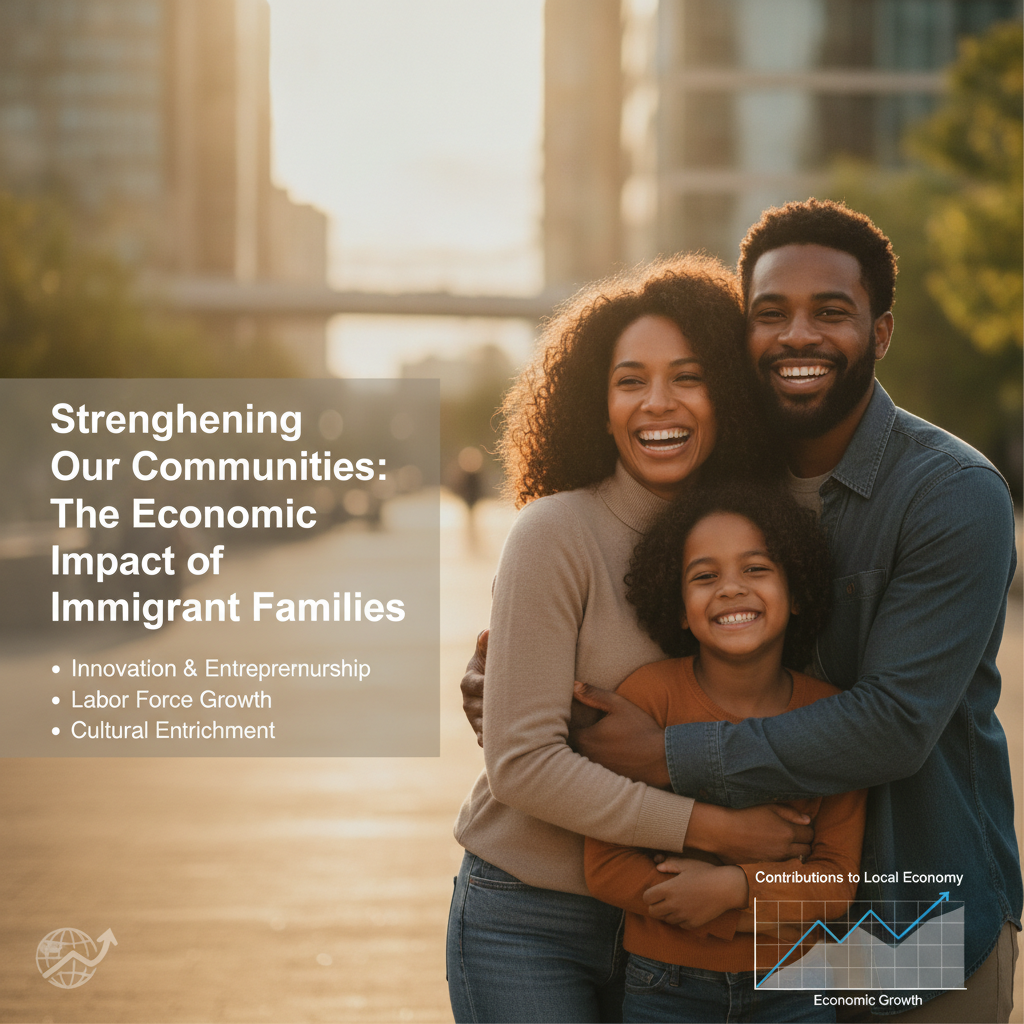
- Community Impact: Successful green card interviews mean families can stay together, contributing to the economic and cultural fabric of cities like Orlando, Kissimmee, and Sanford within Orange County and beyond. A denial, conversely, can lead to immense hardship and family separation.
Need Help? Our Orlando immigration team is ready to assist. Call +1 786-791-3106 for a free consultation, or message us online. Se Habla Español.
What Green Card Interview Preparation Is (and Why It Matters)
The green card interview is a crucial, in-person meeting with a USCIS (U.S. Citizenship and Immigration Services) officer or, for those applying from abroad, a Consular Officer at a U.S. Embassy or Consulate. Its primary purpose is to verify the information provided in your application, confirm your eligibility for a green card, and ensure you are not inadmissible to the United States.
A plain-English definition
Think of the green card interview as your formal conversation with the U.S. government about why you should be granted permanent residency. It's where you, and often your petitioner (the U.S. citizen or permanent resident who filed on your behalf), present yourselves and your evidence directly to an immigration officer. This officer will review your application forms, ask questions about your background, relationships, and intentions, and look for consistency and truthfulness in your answers and documents. It's the moment where all the paperwork you've submitted comes to life, and your story is heard directly.
Important: This interview is not a formality. It is a substantive part of the adjudication process where the officer makes a final determination on your eligibility.
Key terms you need to know
Understanding the terminology will empower you throughout the green card process:
- Green Card (Form I-551): The actual card proving your status as a lawful permanent resident.
- Adjustment of Status (AOS): The process of applying for a green card while physically present in the United States. This is handled by USCIS.
- Consular Processing: The process of applying for a green card through a U.S. embassy or consulate abroad. This is handled by the U.S. Department of State (DOS).
- Petitioner: The U.S. citizen or lawful permanent resident (LPR) who sponsors an immigrant for a green card (e.g., a spouse, parent, or employer).
- Beneficiary: The immigrant who is seeking a green card based on the petitioner's sponsorship.
- Prima Facie Evidence: Evidence that is sufficient to establish a fact or raise a presumption unless disproved or rebutted. For example, a marriage certificate is prima facie evidence of marriage.
- Affidavit of Support (Form I-864): A legally binding contract signed by the petitioner (and sometimes a joint sponsor) to financially support the immigrant, ensuring they will not become a "public charge."
- Priority Date: The date USCIS or DOS receives your immigrant visa petition (e.g., Form I-130, Form I-140). This date determines your place in the visa queue, especially for categories with annual quotas.
- USCIS (U.S. Citizenship and Immigration Services): The government agency within the Department of Homeland Security that processes immigration applications within the U.S.
- DOS (U.S. Department of State): The government agency responsible for foreign policy, including issuing visas at U.S. embassies and consulates abroad.
- Request for Evidence (RFE): A notice from USCIS requesting additional documents or information to support your application.
- Notice of Intent to Deny (NOID): A notice from USCIS indicating their intention to deny your application unless you provide compelling evidence to overcome their concerns.
Current Immigration Law: The Foundation
The green card interview process is rooted in federal immigration law, primarily the Immigration and Nationality Act (INA). Understanding these foundations is key to appreciating the purpose and scope of your interview.
The INA sets forth the requirements for various immigrant visa categories, grounds of inadmissibility, and the procedures for obtaining lawful permanent residency. The interview is the government's mechanism to ensure compliance with these laws.
You can find comprehensive details and official forms on the USCIS official website.
Federal requirements
Regardless of where you apply, federal law dictates the core requirements for a green card. Key aspects include:
- Eligibility for an Immigrant Visa Category: You must qualify under a specific category, such as family-sponsored (e.g., spouse of a U.S. citizen or LPR, parent of a U.S. citizen), employment-based, asylum/refugee status, or diversity visa. The interview confirms this eligibility.
- Admissibility: This is a critical legal concept. The INA outlines numerous grounds of inadmissibility (INA Section 212), which can prevent someone from getting a green card. These include certain criminal convictions, health-related issues, immigration violations (e.g., unlawful presence, misrepresentation), national security concerns, and likelihood of becoming a public charge. The interview will delve into these areas to ensure you are not inadmissible.
- Bona Fide Relationship (for Family-Based Petitions): If your green card is based on marriage or another family relationship, the interview's primary goal is to confirm the relationship is genuine and not entered into solely for immigration benefits (INA Section 204(c)).
- Financial Sponsorship: The petitioner must demonstrate the financial ability to support the immigrant by submitting Form I-864, Affidavit of Support (INA Section 213A). The interview may involve questions about the sponsor's income and assets.
- Medical Examination: Before the interview, all green card applicants must undergo a medical examination by a USCIS-approved civil surgeon (or panel physician abroad) to ensure they meet health-related standards for admissibility.
Florida-specific considerations
While federal law governs the fundamental requirements, the practical application can have local nuances. For those seeking Adjustment of Status in Florida:
- Orlando USCIS Field Office Jurisdiction: If you live in Orlando, Kissimmee, Sanford, or surrounding areas in Central Florida, your interview will be conducted at the Orlando Field Office. Officers here are accustomed to the demographics and common case types originating from this region.
- Local Procedures: While USCIS strives for uniformity, individual field offices can have slight variations in how interviews are conducted, the types of questions emphasized, or the preferred organization of documents. An experienced Orlando immigration attorney will be familiar with these local practices.
- Appointment Scheduling: Your interview notice will specify the date, time, and location (e.g., the Orlando Field Office). Pay close attention to any specific instructions included on the notice.
Reminder: Always consult the latest information on the USCIS Forms page for the most current versions of forms and instructions.
How to Prepare for Your Green Card Interview: A Complete Step-by-Step Guide
Thorough preparation is paramount for a successful green card interview. This guide outlines the essential steps to ensure you are ready for every aspect of this critical meeting.
1) Understand Your Case Type and Interview Purpose
Before diving into specifics, clarify the nature of your application. Are you applying for a green card through a family relationship (e.g., spouse of a U.S. citizen, parent of a U.S. citizen), employment, or asylum? The type of case dictates the primary focus of the interview.
- Review Your Submitted Application: Go through every form you submitted (e.g., Form I-130, Petition for Alien Relative; Form I-485, Application to Register Permanent Residence or Adjust Status; Form I-864, Affidavit of Support). Familiarize yourself with every answer you provided. The interviewer will be comparing your verbal answers to your written application. Consistency is key.
- Anticipate Key Questions:
- Family-Based (especially marriage-based): Questions will heavily focus on the legitimacy of your relationship. How did you meet? What are your daily lives like? What joint documents do you have?
- Employment-Based: Questions will likely revolve around your qualifications, the job offer, and the sponsoring employer.
- Asylum-Based: Questions will focus on your fear of persecution and the details of your asylum claim.
- Know Your History: Be prepared to discuss your immigration history, travel history, employment history, and any past interactions with law enforcement or immigration authorities.
2) Gather and Organize All Required Documents
This is arguably the most critical step. The interview is largely document-driven. The USCIS officer will want to see originals of documents you submitted copies of, and potentially new evidence.
- Your Interview Notice: Bring the original interview notice you received from USCIS.
- Identification:
- Valid passport and any other travel documents.
- Driver's license or state ID (especially if residing in Florida).
- Originals of ALL Documents Submitted with Your Application:
- Birth certificates (for you, your spouse, children).
- Marriage certificate (if applicable).
- Divorce decrees or death certificates for any previous marriages (for you and your spouse, if applicable).
- Children's birth certificates (if applicable).
- Adoption decrees (if applicable).
- Previous immigration documents (e.g., I-94 arrival/departure record, prior visa stamps, EAD cards, advance parole documents).
- Police clearances or court records (if you have any arrests or convictions, even minor ones).
- Military records (if applicable).
- Evidence of Bona Fide Marriage (for Marriage-Based Green Cards): This cannot be stressed enough. Gather as much evidence as possible to prove your marriage is real.
- Joint bank statements, credit card statements.
- Joint utility bills (electricity, water, internet) showing shared residence in Orlando or Central Florida.
- Joint leases or mortgage statements.
- Joint health insurance, life insurance, car insurance policies.
- Photos together (dating, wedding, holidays, with family/friends) – organize chronologically with dates/locations.
- Affidavits from friends and family attesting to your relationship.
- Correspondence (emails, texts, social media posts) that demonstrate your relationship.
- Children's birth certificates (if you have children together).
- Joint tax returns.
- Financial Documents (for Sponsor):
- Original Form I-864, Affidavit of Support, signed by the petitioner (and joint sponsor, if applicable).
- Sponsor's most recent federal income tax returns (e.g., 3 years, with W-2s and 1099s).
- Sponsor's proof of employment (e.g., employment letter, recent pay stubs).
- Proof of assets (bank statements, property deeds) if income is insufficient.
- Medical Examination Results: Bring the sealed envelope from your civil surgeon. Do NOT open it.
- Translations: Any document not in English must be accompanied by a certified English translation.
- Copies: Bring a complete set of copies of ALL documents, even if you submitted them previously. This can speed up the process if the officer needs to keep a copy.
- Organization: Use folders, binders, or dividers to organize your documents logically. Label sections clearly (e.g., "Identification," "Marriage Evidence," "Financial Docs").
3) Prepare for Interview Questions
The best way to reduce anxiety is to know what to expect and practice your answers.
- Review Your Application Answers: As mentioned, ensure your verbal answers match your written application.
- Practice Common Questions:
- "How did you meet your spouse?"
- "When and where did you get married?"
- "Tell me about your daily routine together."
- "What is your spouse's date of birth/parents' names?" (Be prepared for questions about details of your spouse/petitioner's life).
- "Have you ever been arrested or convicted of a crime?"
- "Have you ever been deported or removed from the U.S.?"
- "Have you ever claimed to be a U.S. citizen?"
- "Why do you want a green card?"
- "Where do you work? What is your salary?"
- Be Honest and Consistent: Always tell the truth. Inconsistencies or misrepresentations can lead to serious problems, including allegations of fraud.
- Spousal Interviews (Hickman Questions): For marriage-based cases, if the officer suspects the marriage is not bona fide, they may separate you and your spouse and ask identical questions to compare your answers. This is rare but possible. Be prepared to answer questions about intimate details of your shared life.
4) Arrange for an Interpreter (If Needed) and Legal Representation
Your ability to communicate clearly is vital.
- Interpreters: If you are not fluent in English, you must bring a qualified, independent interpreter. The interpreter cannot be your attorney, your spouse, your child, or another witness to your petition. They must be certified or otherwise qualified to interpret accurately. Inform USCIS in advance if you require an interpreter, though you are usually responsible for bringing your own.
- Legal Representation: While not legally required, attending with an experienced immigration attorney from Imigrar is highly recommended. Your attorney can:
- Help you prepare thoroughly for questions.
- Organize your documents efficiently.
- Clarify questions from the officer.
- Address any legal issues or concerns that arise during the interview.
- Ensure your rights are protected.
- Provide moral support and confidence.
5) Attend Your Medical Examination and Biometrics Appointment
These are crucial pre-interview steps.
- Medical Examination: You must complete a medical exam with a USCIS-approved civil surgeon. This exam checks for certain health-related grounds of inadmissibility. The sealed results must be brought to your interview. Ensure your vaccinations are up to date.
- Biometrics Appointment: You will receive a separate appointment notice for biometrics (fingerprints, photos, signature). This is for background checks. Make sure to attend this appointment, usually at an Application Support Center (ASC) in Orlando or nearby.
6) What to Do on Interview Day
Presentation and demeanor matter.
- Dress Appropriately: Dress in professional or business-casual attire. This shows respect for the process.
- Be Punctual: Arrive at the Orlando USCIS Field Office at least 30 minutes before your scheduled appointment time. Factor in Orlando traffic, especially around the I-4 corridor.
- Bring ALL Documents: Even if the officer doesn't ask for a specific document, it's better to have it.
- Be Respectful and Polite: Address the officer respectfully.
- Answer Truthfully and Concisely: Answer only the question asked. Do not volunteer extra information unless it's directly relevant or clarifying. If you don't understand a question, politely ask for clarification.
- Remain Calm: It's natural to be nervous, but try to remain calm and collected. Take deep breaths.
- Signatures: You may be asked to sign under oath, affirming the truthfulness of your application.
7) Post-Interview Follow-Up
The interview is not always the final step.
- Immediate Decision: Sometimes, the officer will tell you immediately that your case is approved or that they need to review further.
- Request for Evidence (RFE): If the officer needs more information or documents, they will issue an RFE, typically with a deadline (e.g., 87 days). Respond promptly and thoroughly.
- Notice of Intent to Deny (NOID): If the officer believes your case should be denied, they will issue a NOID, giving you a chance to rebut their findings.
- Decision Notification: You will usually receive a written decision by mail. If approved, your green card will be mailed to you within a few weeks.
Need Help? Our Orlando immigration team is ready to assist. Call +1 786-791-3106 for a free consultation, or message us online. Se Habla Español.
Practical Steps You Can Take Today
Don't wait until the last minute to prepare for your green card interview. Here are actionable steps you can start taking right now to build a strong case.
Actionable checklist:
- Review Your Entire Application: Pull out copies of every form you submitted (Form I-130, Form I-485, Form I-864, etc.) and read through them carefully. Highlight any areas where you might anticipate questions or need to refresh your memory.
- Start Gathering Original Documents: Begin collecting all original birth certificates, marriage certificates, divorce decrees, passports, and any other foundational documents. If you don't have an original, find out how to obtain a certified copy from the issuing authority.
- Compile Relationship Evidence (Marriage-Based): If your green card is based on marriage, immediately start compiling a binder or digital folder of all joint documents: bank statements, utility bills, leases, insurance policies, photos, texts, etc. Aim for a variety of evidence spanning the entire duration of your marriage.
- Practice Answering Questions: Have a friend, family member, or your attorney conduct mock interviews. Focus on answering clearly, concisely, and truthfully. Pay attention to consistency with your written application.
- Schedule a Consultation with Imigrar: Even if you started your application yourself, it's never too late to get expert guidance. Our Orlando immigration lawyers can review your case, identify potential issues, and provide tailored preparation.
- Know Your Interview Location: If your interview is at the Orlando USCIS Field Office, plan your route, parking, and travel time. Consider potential traffic delays, especially during peak hours on major roads like I-4.
- Get Adequate Rest: Ensure you are well-rested on the day of your interview. A clear mind helps you stay calm and focused.
Document preparation guidance
Proper document preparation can make a significant difference in the smoothness of your interview:
- Originals and Copies: Always bring the original of every document, along with a high-quality photocopy. The officer will typically review the original and keep the copy for the file.
- Certified Translations: If a document is not in English, you must provide a complete and accurate English translation, certified by the translator. The certification must state that the translator is competent to translate and that the translation is accurate.
- Organize, Organize, Organize: Use a binder with tabs, a folder with clearly labeled sections, or a portfolio. Arrange documents in the order they were listed in your application or by category (e.g., "Personal IDs," "Marriage Evidence," "Financial," "Prior Immigration"). This demonstrates preparedness and saves time.
- Affidavits: For marriage-based cases, consider bringing affidavits from friends and family who know about your relationship. These should be signed and notarized, including their contact information.
- New Evidence: If you have new evidence that wasn't available when you first filed your application (e.g., a new joint lease, recent bank statements, birth of a child), bring it.
Timeline expectations
Understanding the timeline helps manage expectations, though it's important to remember that processing times can fluctuate.
- Interview Scheduling: After USCIS reviews your application and biometrics, they will schedule your interview. You'll receive an interview notice by mail, typically several weeks or even months in advance. You can check estimated processing times for your specific form and field office (e.g., Orlando) on the USCIS Processing Times page.
- Interview Duration: Most green card interviews last between 20 minutes to an hour, though complex cases or those with issues might take longer.
- Decision Timeline: Some applicants receive an immediate decision. Others may wait a few days, weeks, or even months for a decision, especially if the officer needs to review additional documents, perform further background checks, or consult with supervisors. If an RFE is issued, the clock resets until you respond.
- Green Card Delivery: Once approved, the physical green card (Form I-551) is typically mailed within 2-4 weeks.
Warning: Processing times provided by USCIS are estimates and can change without notice. Always refer to the official USCIS website for the most current information.

How Imigrar Helps Immigrants in Orlando
At Imigrar, "Keep Families Together" is more than just a tagline – it's our guiding principle. We understand the profound impact that the green card process has on individuals and their loved ones. Our dedicated team of immigration attorneys in Orlando, Florida, is committed to providing comprehensive, compassionate, and effective
Related Topics
Need Legal Assistance?
Our experienced immigration attorneys are here to help with your case. Contact Imigrar today for a free consultation and let us guide you through the legal process with confidence.
📍 Orlando, Florida • Serving clients nationwide
📧 info@imigrar.com