
Immigration Detention Cases Decline Amid Trump Shift [2026]
Discover the decline in immigration detention cases under Trump administration shifts. Get expert help in Orlando. Call +1 786-791-3106 today.

The reporting that sparked this guide
This article is based on recent news coverage about immigration enforcement policy changes. For more details, see State, local policies on immigration enforcement targeted by US Senate Republicans - Idaho State Journal (News Source).
What This News Means for Immigrants in Orlando and Across Florida
Why this news is showing up now
Recent data shows immigration detention cases are declining amid changes in enforcement strategies under the Trump administration. These shifts come after legal and political pressures influenced immigration policy nationwide. Understanding these updates is crucial for immigrants in Florida and beyond.
One key factor contributing to the decrease in detention cases is the prioritization of deporting individuals with serious criminal records over those without criminal backgrounds. This shift reflects broader trends in immigration policy emphasizing threats to public safety.
Additionally, changes in international relations and diplomatic negotiations with countries of origin have affected the ability of the U.S. to deport certain individuals, thereby impacting detention numbers. These geopolitical dynamics continue to play a significant role in shaping immigration enforcement.
How it can affect Florida residents
For Orlando and Central Florida immigrants, this means possible changes in detention risk and enforcement practices. Although ICE operations continue, fewer individuals may face mandatory detention. Being informed helps families prepare for potential immigration proceedings.
Immigrants in Florida should also be aware that local policies and law enforcement cooperation with ICE can vary, influencing the likelihood of detention. Understanding the nuances of these local agreements can be vital for residents.
Moreover, community support networks and legal aid organizations in Florida are essential resources. Engaging with these groups can provide immigrants with up-to-date information and assistance in navigating the complexities of the immigration system.
Need Help? Our Orlando immigration team is ready to assist. Call +1 786-791-3106 for a free consultation, or message us online. Se Habla Español.
What Immigration Detention Cases Decline Means (and Why It Matters)
A plain-English definition
Immigration detention is when the government holds individuals suspected of violating immigration laws. A decline in detention cases means fewer people are being held in custody while their cases are processed.
This reduction can alleviate some of the burden on detention facilities, which have faced criticism for overcrowding and poor conditions. It also allows for more humane treatment of individuals awaiting the resolution of their cases.
However, it's essential to recognize that a decline in detention cases does not equate to a decrease in enforcement. ICE continues its operations, but with potentially different methods or priorities.
Key terms you need to know
- ICE (Immigration and Customs Enforcement): The federal agency that enforces immigration laws.
- Mandatory detention: Legal requirement to detain certain immigrants without bond.
- Enforcement strategies: How ICE prioritizes whom to detain or deport.
- DACA: Deferred Action for Childhood Arrivals, a program protecting certain immigrants from deportation.
Understanding these terms helps in comprehending the broader landscape of immigration enforcement and detention practices in the United States.
For example, enforcement strategies may include focusing on recent border crossers or undocumented immigrants with criminal convictions. The nuances of these strategies can impact how laws are applied and who is targeted.
Current Immigration Law: The Foundation
Understanding immigration detention requires knowledge of federal and state laws governing enforcement.
Federal requirements
The Immigration and Nationality Act (INA) sets the legal basis for detention. Sections 236 and 241 outline detention authority and release conditions. ICE operates under these statutes to detain individuals pending court hearings or removal.
Important: Mandatory detention applies to specific groups, such as those with criminal convictions, asylum seekers arriving without inspection, or others deemed a flight risk.
It's crucial to note that while federal law governs immigration detention, its application can vary based on administrative policies and priorities. This variability can lead to different interpretations and implementations.
Florida-specific considerations
Florida law does not create separate immigration detention authority but local policies may influence cooperation with ICE. Orlando and Orange County fall under the jurisdiction of federal immigration enforcement, including the Orlando USCIS Field Office.
For USCIS forms related to immigration status, see Form I-130 (Petition for Alien Relative) and Form I-485 (Application to Register Permanent Residence or Adjust Status). Visit the USCIS official website for details.
Additionally, Florida's proximity to international borders and ports impacts its immigration dynamics, with local law enforcement sometimes entering agreements with ICE to aid in identifying and detaining individuals.
These regional policies can vary greatly, so understanding both federal guidelines and local practices is key for navigating the immigration system effectively.
Need Help? Our Orlando immigration team is ready to assist. Call +1 786-791-3106 for a free consultation, or message us online. Se Habla Español.
How to Navigate Immigration Detention Changes: A Complete Step-by-Step Guide
1) Understand your current immigration status
Knowing your status helps determine if you may be subject to detention. Gather documents like your passport, visa, or USCIS-issued identification.
Having a clear understanding of your immigration status allows you to evaluate potential risks and available legal protections. Keeping your documentation current and accurate is essential in the event of an ICE interaction.
If you are unsure of your status, consider consulting with an immigration attorney who can provide clarity and guidance tailored to your situation.
2) Monitor enforcement updates
Stay informed on ICE policies and local enforcement changes, especially in Orlando and Florida. Reliable sources include USCIS and the Executive Office for Immigration Review.
Keeping abreast of policy changes helps you anticipate potential impacts on your status and prepare for any necessary actions. Utilize community networks and advocacy groups for timely updates.
Additionally, subscribing to newsletters from reputable immigration organizations can provide invaluable insights into ongoing enforcement trends and legal developments.
3) Prepare necessary immigration paperwork
Collect forms such as Form I-130 or Form I-485 if adjusting status. Keep copies of all documents including immigration court notices.
Organizing your paperwork not only ensures you're ready for any legal proceedings but also helps avoid delays caused by missing or incorrect documentation. Consider using digital tools to store and manage your important documents securely.
In the event of a legal inquiry or proceeding, having comprehensive records can significantly benefit your case and expedite resolution.
4) Know your rights if detained
- You have the right to legal representation.
- You can request bond hearings depending on your case.
- Contact family or your attorney promptly.
Understanding your rights empowers you to take proactive steps in the event of detention. Ensure that you have an emergency contact list and a trusted attorney's information readily available.
Familiarize yourself with the legal procedures and options available, such as seeking asylum or applying for cancellation of removal, to better navigate the detention process.
5) Contact an experienced immigration attorney
Expert legal help is essential to navigate detention or removal proceedings. Imigrar offers guidance for Orlando residents and nationwide clients.
Choosing the right attorney can make a significant difference in the outcome of your case. Look for legal professionals with a proven track record in immigration law and a deep understanding of current enforcement policies.
Many attorneys offer initial consultations, which can be a valuable opportunity to discuss your case and explore potential legal strategies.
6) Attend all court hearings and follow deadlines
Missing hearings can lead to deportation orders. Track important dates carefully and seek assistance if you need help understanding notices.
Being punctual and prepared for court hearings demonstrates your commitment to complying with legal processes. Keep a detailed calendar and set reminders for all important dates.
If language barriers or other challenges arise, seek assistance from legal advisors or community organizations that can provide necessary support.
7) Explore relief options available
Relief may include asylum, cancellation of removal, or adjustment of status. Your attorney can evaluate eligibility.
Understanding the range of relief options can open pathways to legal status or protection from deportation. Each option has specific criteria and processes, so thorough research and legal advice are crucial.
Engage with your attorney to explore all possible avenues and develop a comprehensive legal plan tailored to your circumstances.
Practical Steps You Can Take Today
- Keep your immigration documents organized and accessible.
- Register with trusted immigrant support groups in Orlando.
- Understand local resources for legal aid and community support.
- Regularly check updates on ICE enforcement priorities.
- Prepare an emergency plan in case of detention, including trusted contacts.
Timeline expectations: Immigration case processing can take months or years. Detention length varies by case and enforcement priority.
Proactively engaging in these practical steps ensures that you are prepared for any changes in your immigration status or potential interactions with enforcement agencies.
By building a strong support network and staying informed, you can better navigate the complexities of the immigration system and protect your rights.
How Imigrar Helps Immigrants in Orlando
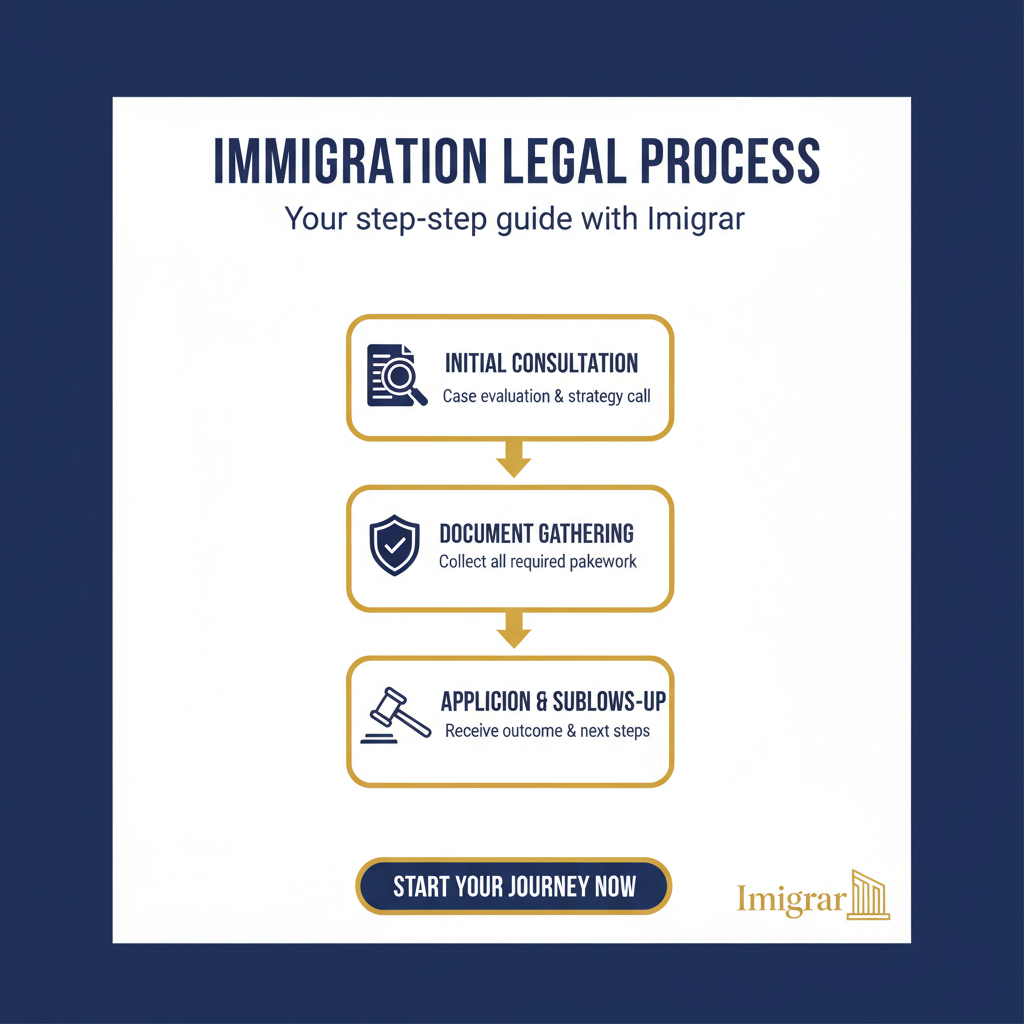
At Imigrar, we specialize in immigration law focused on keeping families together. Our experienced team understands evolving enforcement trends and offers compassionate legal support.
We provide free initial consultations to discuss your situation. Se Habla Español to assist Florida's diverse immigrant community.
Whether you face detention or want to prepare in advance, Imigrar is here to guide you.
Our team stays updated on the latest developments in immigration law and enforcement policies, ensuring that we provide clients with accurate and timely advice. We prioritize clear communication and personalized service to address each client's unique needs.
Imigrar is committed to empowering immigrants by providing the resources and knowledge necessary to navigate the complexities of the legal system effectively and confidently.
Need Help? Our Orlando immigration team is ready to assist. Call +1 786-791-3106 for a free consultation, or message us online. Se Habla Español.
Frequently Asked Questions
Q: Does ICE have the authority to detain U.S. citizens?
A: No. ICE does not have authority to detain U.S. citizens. Detention applies only to non-citizens suspected of immigration violations. If you are a U.S. citizen mistakenly detained, legal recourse is available to address the error.
Q: Can DACA recipients be deported by ICE?
A: While DACA provides protection from deportation, it does not grant permanent status. Changes in policy can affect DACA recipients’ risk of removal. Staying informed about policy changes and renewing DACA status on time is crucial.
Q: What were some problems immigrants faced when they came to America?
A: Many immigrants faced language barriers, discrimination, and complex legal processes. Understanding rights and resources helps overcome these challenges. Support from community organizations can provide assistance in adapting to new environments.
Q: Which state has the strictest immigration laws?
A: States like Arizona and Alabama have historically enacted strict immigration laws, but enforcement varies by state and locality. Local ordinances and cooperation with federal agencies can influence how laws are applied.
Q: What is happening to people taken by ICE?
A: People detained by ICE may be held in detention centers pending hearings or removal. They have rights to legal counsel and bond hearings in many cases. Advocacy groups work to ensure detainees' rights are respected and provide legal support.
Q: What forms do I need to adjust my immigration status?
A: Common forms include Form I-130 for family petitions and Form I-485 for adjustment of status. Check the USCIS Forms page for details. Consulting with an attorney can help ensure all forms are correctly completed.
Common Mistakes (and How to Avoid Them)
Mistake #1: Ignoring court dates
Missing hearings can result in deportation orders. Always track and attend all scheduled appearances. Utilize reminders and legal advice to ensure compliance with all requirements.
Mistake #2: Relying on incorrect legal information
Immigration law is complex and changes often. Consult a qualified attorney like Imigrar rather than unofficial sources. Verified information and professional guidance are crucial for successful outcomes.
Mistake #3: Failing to prepare documents properly
Incomplete or inaccurate paperwork can delay your case or cause denial. Organize and review all forms carefully. Seeking legal assistance can help ensure all necessary documentation is properly prepared.
Don't navigate immigration alone. Se Habla Español. Contact Imigrar for expert help. Call +1 786-791-3106 or message us online.
Location-Specific Content
If your case is in Orlando, you will likely interact with the Orlando USCIS Field Office and local immigration courts. The Orange County jurisdiction follows federal immigration enforcement, influenced by policies along the I-4 corridor.
For Central Florida residents, staying informed on local ICE activity and available resources is essential for timely responses to enforcement actions.
Understanding local community dynamics, including the presence of advocacy groups and legal aid organizations, can provide critical support for navigating immigration processes in the region.

Closing Call to Action
Take the first step. Keep Families Together. If you or a loved one are facing immigration detention or need guidance on enforcement changes, contact Imigrar today. Our Orlando team offers compassionate, experienced help with immigration law. Se Habla Español.
Contact Imigrar Today or call +1 786-791-3106.
```Related Topics
Need Legal Assistance?
Our experienced immigration attorneys are here to help with your case. Contact Imigrar today for a free consultation and let us guide you through the legal process with confidence.
📍 Orlando, Florida • Serving clients nationwide
📧 info@imigrar.com