
Immigration Detention Cases Decline in 2026: Key Updates
New data shows decline in immigration detention cases in 2026 amid policy shifts. Learn what this means for immigrants in Orlando. Call Imigrar for help.

Immigration Detention Cases Decline as Trump Administration Pulls Back from Hardline Enforcement Tactics
The reporting that sparked this guide
This article is based on recent news highlighting shifts in immigration enforcement and detention patterns. For the original report, please see: Minnesota immigration crackdown continues to spark fear among people in U.S. legally - PBS (News Source).
What This News Means for Immigrants in Orlando and Across Florida
Why this news is showing up now
New data from 2026 reveals a noticeable decline in immigration detention cases nationwide. This change follows adjustments in enforcement tactics reportedly by the Trump administration, which has pulled back from some of its previous hardline immigration policies amid challenges faced by detention centers and immigration courts.
This shift is not merely a statistical anomaly but reflects a strategic recalibration. The pressure on the existing infrastructure, including overcrowded detention facilities and an overwhelmed court system, has reached a critical point. Consequently, the administration has reportedly opted for a more selective enforcement approach, focusing on individuals deemed a higher priority for removal, rather than broad, indiscriminate enforcement.
For example, instead of large-scale workplace raids that might net many individuals with minor immigration infractions, there might be a greater emphasis on targeted arrests of individuals with serious criminal records. This change in focus aims to alleviate some of the strain on resources while still projecting an image of strong border security and immigration control. The implications for individuals and communities are significant, potentially leading to fewer arrests in certain contexts, but also greater uncertainty about who might be targeted next.
How it can affect Florida residents
For immigrants living in Orlando and Central Florida, these shifts may influence detention patterns and court schedules. While immigration courts continue to handle a backlog of over 3 million cases, fewer detentions could mean fewer immediate removals but also ongoing uncertainty. Understanding these changes helps residents prepare and seek the right legal support.
Specifically, a decline in detention cases could lead to a slight easing of pressure on local immigration courts, potentially allowing for slightly faster processing of non-detained cases. However, the existing backlog is so immense that any relief would likely be incremental. For individuals already in removal proceedings, this might mean a longer wait for their court date if they are not detained, but it could also mean a greater chance of being released on bond if they are. Consider a scenario where a family in Orlando has a loved one picked up by ICE. If detention rates are lower, the chances of their family member being released on bond might improve, allowing them to fight their case from home rather than from a detention center.
Furthermore, these policy adjustments can create a complex legal landscape. What constitutes a "hardline" tactic today might be considered standard tomorrow. This fluidity necessitates vigilant monitoring of policy updates and, crucially, consistent engagement with experienced legal counsel. Immigrants and their families in Florida need to be aware that even with a decline in overall detention cases, individual circumstances can still be precarious, and proactive legal planning remains paramount.
Need Help? Our Orlando immigration team is ready to assist. Call +1 786-791-3106 for a free consultation, or message us online. Se Habla Español.
What Immigration Detention Cases Decline Is (and Why It Matters)
A plain-English definition
Immigration detention refers to the practice of holding non-U.S. citizens in custody while their immigration cases are processed. A decline in detention cases means fewer people are being held in these facilities during their legal proceedings.
This reduction can manifest in various ways: fewer arrests by ICE, more individuals being released on bond or recognizance, or a shift in enforcement priorities away from immediate detention for certain categories of individuals. For instance, instead of detaining an individual with a long-standing U.S. presence and strong community ties for a minor infraction, ICE might opt for alternatives to detention, such as electronic monitoring or regular check-ins. This change significantly impacts not only the individuals involved but also their families and communities, as it can reduce the trauma and disruption associated with prolonged detention.
The practical implications of fewer people being detained are substantial. It can mean fewer families separated, less strain on community resources that support detained individuals, and potentially a slight reduction in the financial burden on the federal government associated with operating detention facilities. However, it doesn't necessarily mean that the underlying immigration issues or the threat of removal have disappeared; rather, the method of processing these cases might be shifting.
Key terms you need to know
- Immigration and Customs Enforcement (ICE): The federal agency responsible for immigration enforcement including detaining and deporting individuals.
- Detention Quotas: Previously, ICE was required to maintain a certain number of detainees, known as quotas.
- Green Card Holders: Legal permanent residents who may face deportation under certain circumstances.
- Backlog: The large number of pending immigration court cases nationwide.
- Alternatives to Detention (ATD): Programs that allow individuals to remain in their communities while their immigration cases proceed, often involving electronic monitoring, check-ins, or community-based support.
- Notice to Appear (NTA): The document issued by DHS that formally charges an individual with being removable from the U.S. and initiates removal proceedings before an immigration judge.
Understanding these terms helps immigrants and families grasp how enforcement changes affect their daily lives. For example, a shift towards ATD programs rather than immediate detention can be a significant relief for families, allowing individuals to continue working and supporting their loved ones while their case is pending. Conversely, even without detention, receiving a Notice to Appear (NTA) is a serious matter that requires immediate legal attention, as it signals the start of a formal deportation process.
The concept of "detention quotas" is particularly relevant here. While officially phased out, the operational pressures that led to such quotas often persist, influencing enforcement decisions. A reported pullback from hardline tactics might indicate a departure from metrics that prioritize sheer numbers of detentions, moving towards a more qualitative assessment of enforcement priorities. This could mean, for instance, that individuals with no criminal record and strong community ties are less likely to be detained, even if they have an outstanding immigration violation, compared to someone with a serious criminal history.
Current Immigration Law: The Foundation
Federal requirements
Immigration detention and enforcement are governed primarily by federal law, including the Immigration and Nationality Act (INA). Key provisions set standards for detention, removal proceedings, and the rights of detainees. For example, 8 U.S.C. § 1226 authorizes ICE to detain individuals pending removal.
The INA is a complex and frequently amended piece of legislation, making it challenging for laypersons to navigate. It outlines who is admissible to the U.S., who is deportable, and the procedures for both. Understanding sections like 8 U.S.C. § 1229a, which covers removal proceedings, or 8 U.S.C. § 1158, pertaining to asylum, is crucial. These sections define the legal framework within which individuals are detained and their cases are adjudicated. For instance, the specific grounds for detention, such as being deemed a flight risk or a danger to the community, are rooted in these federal statutes.
Recent policy shifts, even if they aren't legislative changes, often involve reinterpretations or changes in the application of existing federal law. For example, a directive from the Department of Homeland Security (DHS) might instruct ICE agents to prioritize certain categories of non-citizens for arrest and detention over others, even if all categories technically fall under the purview of deportable offenses. This administrative discretion, while operating within the bounds of federal law, can have a profound impact on who is detained and who is not, directly contributing to the observed decline in detention cases.
Florida-specific considerations
While immigration enforcement is federal, Florida has its own policies affecting immigrants. Central Florida, including Orlando and Orange County, has seen active immigration enforcement, but recent shifts may impact how these policies are applied locally.
Florida's stance on immigration, often reflected in state-level legislation, can influence the environment in which federal immigration enforcement operates. For example, state laws regarding cooperation between local law enforcement and ICE, or access to state benefits for immigrants, can indirectly affect detention patterns. A state law that limits local police cooperation with ICE might lead to fewer individuals being transferred into ICE custody, thus contributing to a decline in detentions. Conversely, state laws that mandate such cooperation could counteract federal efforts to reduce detentions.
Important forms include Form I-130 (Petition for Alien Relative) and Form I-485 (Application to Register Permanent Residence or Adjust Status). More information and forms are available on the USCIS official website. For residents in Orlando, understanding how these forms are processed by the local USCIS Field Office is key. The efficiency and policies of the Orlando office can directly impact the timeline and outcome of adjustment of status cases, which, if approved, can remove an individual from the risk of detention and removal. For instance, a person who is eligible to adjust their status to a lawful permanent resident through a family petition (Form I-130 followed by Form I-485) would ideally want to complete this process before encountering immigration enforcement, as having an approved petition significantly strengthens their legal standing.
Furthermore, local ordinances and practices, even if not explicitly immigration laws, can create a specific enforcement climate. For example, a city's policy on issuing driver's licenses to undocumented individuals might not be an immigration law, but it affects how individuals interact with law enforcement and, by extension, their vulnerability to ICE apprehension. In Central Florida, community organizations and legal aid groups play a vital role in monitoring these local nuances and advising residents on how to navigate the complex interplay of federal and state policies.
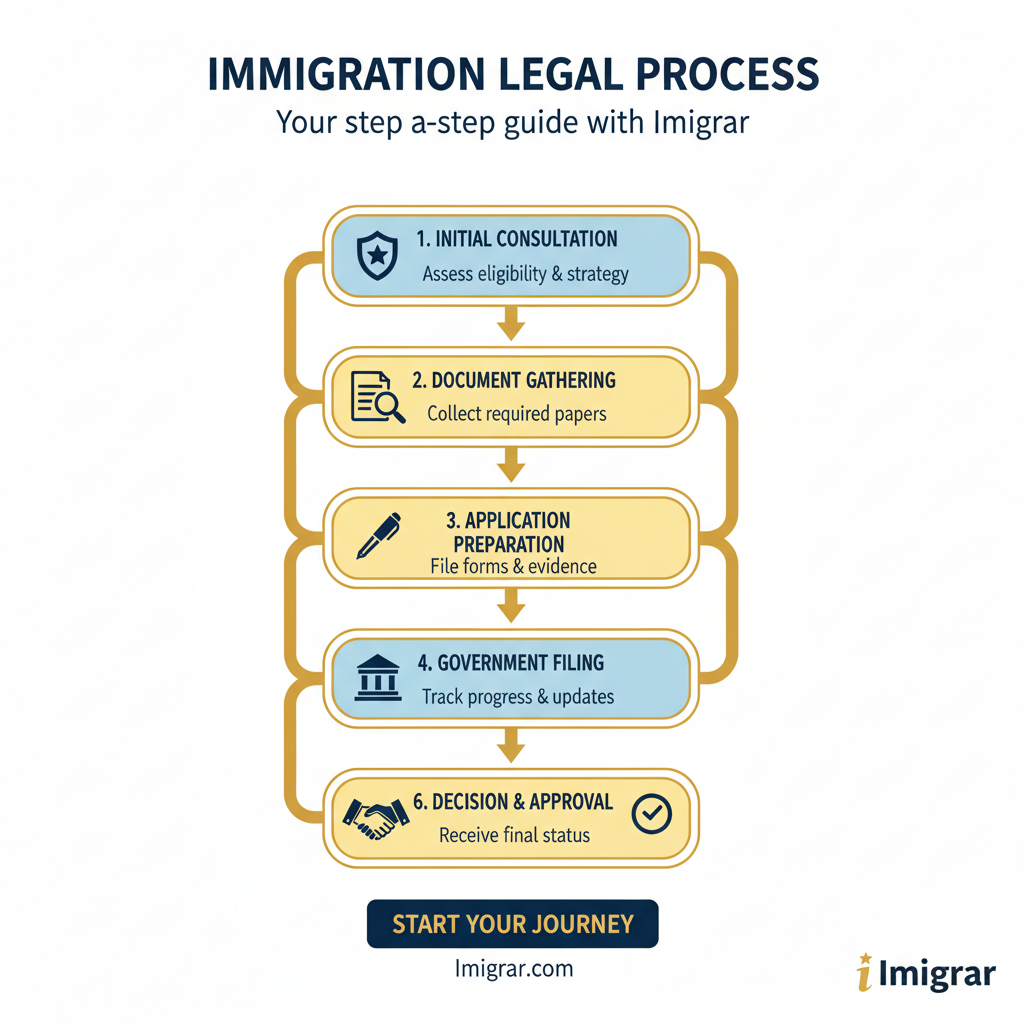
How to Navigate Immigration Detention and Court Cases: A Complete Step-by-Step Guide
1) Understand your case status
Check if you or your family member is currently detained or scheduled for a hearing. Gather all relevant documents including notices from ICE or the immigration court.
- Detention notice (Form I-203, Order to Detain or Release Alien)
- Immigration court hearing notices (Notice to Appear - NTA)
- Identification documents (passport, green card, birth certificate)
- Any previous immigration applications or correspondence with USCIS
It is crucial to have a clear understanding of your current legal standing. For instance, if you receive a Notice to Appear (NTA), you need to know the specific charges against you and the date, time, and location of your first master calendar hearing. Misinterpreting these documents or failing to recognize their importance can lead to missed deadlines or hearings, which can have severe consequences, including an in absentia deportation order. Keep a physical and digital copy of all documents, and if possible, have a trusted family member or attorney also retain copies.
In a practical scenario, if a family member is detained, immediately try to ascertain their location. ICE's Online Detainee Locator System can be a valuable tool, but it's not always updated in real-time. Direct calls to detention facilities or local ICE field offices might be necessary. Once located, understanding the charges and the specific type of detention (e.g., mandatory detention or discretionary detention) is the first step toward formulating a legal strategy. This initial information gathering forms the bedrock of any successful defense.
2) Consult with an immigration attorney
Legal advice can help you understand your rights and options, including bond eligibility or asylum claims.
An experienced immigration attorney can assess the specifics of your case, identify potential forms of relief, and guide you through the complex legal process. They can determine if you are eligible for bond, help prepare a strong bond package, and represent you at a bond hearing. For those seeking asylum, an attorney can help articulate a credible fear, prepare the asylum application, and represent you in court. Without legal representation, individuals are significantly more likely to be ordered deported, as the immigration system is adversarial and highly technical. Consider the case of an individual who might qualify for Cancellation of Removal for Non-Permanent Residents due to long-term residency and U.S. citizen children; an attorney can meticulously gather evidence of "exceptional and extremely unusual hardship" that would be nearly impossible for a layperson to present effectively.
Even if you believe your case is straightforward, an attorney can spot nuances or potential pitfalls that you might overlook. They can also provide crucial emotional support and act as a buffer between you and the often intimidating immigration system. Many legal aid organizations and private firms offer pro bono or low-cost services, so exploring all options for legal counsel is highly recommended.
3) Prepare required forms
Common forms include:
- Form I-130 for family petitions
- Form I-485 for adjustment of status
- Bond application forms (e.g., Form I-246, Application for Stay of Deportation or Removal) if eligible
- Form EOIR-42B (Application for Cancellation of Removal and Adjustment of Status for Certain Nonpermanent Residents) or Form EOIR-42A (Application for Cancellation of Removal and Adjustment of Status for Certain Permanent Residents)
- Form I-589 (Application for Asylum and for Withholding of Removal)
Each form has specific instructions, eligibility criteria, and supporting documentation requirements. Errors or omissions can lead to delays or denials. For example, when filing Form I-485, you must include a comprehensive set of documents, including birth certificates, marriage certificates, affidavits of support, medical examination results, and police clearances. A missing document or an incorrectly filled section can cause USCIS to issue a Request for Evidence (RFE), significantly prolonging the processing time, or even deny the application. An attorney can ensure all forms are completed accurately and all necessary evidence is submitted, minimizing the risk of such issues.
Furthermore, some forms, like the bond application, are time-sensitive. If an individual is detained, a prompt and well-prepared bond application can mean the difference between prolonged detention and release. Having an attorney assist with these forms not only ensures accuracy but also strategic submission, which can be critical in securing a positive outcome.
4) Attend all court hearings
Missing hearings can result in deportation orders. Keep track of dates and locations, especially in Orlando immigration courts.
An "in absentia" order of removal is one of the most devastating outcomes in immigration court, as it typically carries a 10-year bar to re-entry into the U.S. without special permission. Even if you believe you have a strong case, failing to appear demonstrates a lack of respect for the court and can be interpreted as an abandonment of your claim. Always confirm hearing dates and times with your attorney and the court's automated information system (1-800-898-7180). If there's an unavoidable conflict, your attorney might be able to file a motion to reschedule, but this is at the discretion of the immigration judge and not guaranteed.
In Orlando, the immigration court is a busy venue, and judges have heavy caseloads. Punctuality and preparedness are essential. If you are represented by an attorney, they will guide you through the courtroom procedures, but your presence and cooperation are still vital. For instance, during a master calendar hearing, the judge will confirm your identity, ensure you have received the NTA, and ask if you have an attorney. During an individual hearing, you will be expected to testify about your case. Being present, attentive, and respectful can positively influence the judge's perception of your commitment to your case.
5) File motions if necessary
Your attorney can help file motions to reopen or continue cases if new evidence arises or if there are procedural issues.
Motions are formal requests made to the court. A "motion to reopen" is filed when new, material evidence becomes available after a case has been decided, or if an individual missed a hearing due to exceptional circumstances. For example, if a key witness was unavailable at the time of the original hearing but is now able to testify, a motion to reopen might be appropriate. A "motion to continue" requests a delay in a hearing, perhaps to allow more time to gather evidence or to secure legal representation. These motions are complex and require careful legal drafting and adherence to strict deadlines and evidentiary standards. An attorney will know which type of motion is appropriate for your situation and how to present it effectively to the immigration judge.
Consider a situation where an individual was ordered deported in absentia because they never received their hearing notice due to an address change that was not properly updated with the court. An attorney could file a motion to reopen, arguing that the individual did not receive proper notice and therefore had a valid reason for their absence. This requires providing evidence of the address change and demonstrating that the individual genuinely did not know about the hearing. Such motions are critical tools for correcting injustices or addressing unforeseen circumstances that impact a case's trajectory.
6) Stay informed about policy changes
Enforcement priorities and detention practices can change. Follow updates from USCIS and EOIR.
Immigration law and policy are dynamic, especially with changes in administration or political climate. What might be a priority for enforcement today could be deprioritized tomorrow. For example, a shift in presidential administration might lead to new executive orders or policy memos from DHS that redefine who is considered a "priority" for arrest and deportation. These changes can significantly impact whether an individual is detained, released, or even targeted for enforcement action. Regularly checking official government websites like USCIS, ICE, and EOIR, or subscribing to reputable immigration news sources, is essential. Your immigration attorney will also keep you informed of any relevant changes that could affect your case.
Beyond federal policy, local enforcement practices can also evolve. For instance, a new sheriff in Orange County might decide to limit cooperation with ICE, leading to fewer individuals being transferred from local jails to immigration detention. Conversely, a change in local leadership could lead to increased cooperation. Staying connected with local immigrant advocacy groups can provide valuable insights into these ground-level changes that may not be widely reported in national news but are highly relevant to residents in Central Florida.
7) Seek community and legal support
Organizations in Orlando and Florida offer assistance with legal representation and social services.
Navigating the immigration system can be isolating and overwhelming. Connecting with community organizations can provide not only legal assistance but also emotional support, referrals to social services, and a sense of solidarity. Many non-profits offer free or low-cost legal clinics, "know your rights" workshops, and support groups. For instance, an organization might help a family find housing after a loved one is detained, or connect them with mental health services to cope with the stress of immigration proceedings. These networks are invaluable, especially in a region like Central Florida with a significant immigrant population.
For example, groups might offer assistance with translating documents, finding transportation to court hearings, or even providing emergency financial aid. These services, while not directly legal, can be crucial in ensuring that individuals can effectively pursue their legal cases. Leveraging these resources can make a significant difference in the overall experience and outcome of an immigration case.
Practical Steps You Can Take Today
- Keep copies of all immigration and court documents in a safe place. Consider a fireproof safe or a secure cloud storage solution.
- Set reminders for hearing dates and deadlines using multiple methods: calendar, phone alerts, and even a trusted family member.
- Gather character references and evidence of community ties, such as letters from employers, religious leaders, or community members, and documentation of property ownership or volunteer work.
- Consult with an immigration lawyer early, especially if detained, to explore all available legal avenues and avoid critical missteps.
- Stay connected with local immigrant advocacy groups in Orlando for up-to-date information and support resources.
- Prepare for possible bond hearings by organizing financial documents, including bank statements, pay stubs, and tax returns, to demonstrate financial stability and ability to pay bond.
- Monitor official websites for updates on immigration policies and enforcement priorities, as these can change rapidly.
Timeline expectations: Immigration court backlogs mean cases can take months or years. Detention lengths vary depending on case specifics. For example, a simple asylum claim might take 2-3 years, while a complex cancellation of removal case could extend to 5 years or more. Individuals in mandatory detention often face longer periods of custody because they are not eligible for bond. Understanding these lengthy timelines is essential for managing expectations and preparing for the long haul.
For individuals in Central Florida, it's also advisable to establish an emergency plan with family members. This plan should include knowing who to contact (e.g., an attorney, a trusted friend or relative), where important documents are stored, and how to access funds if a family member is detained. This proactive approach can significantly reduce stress and confusion during a crisis. For example, having a pre-arranged power of attorney can ensure that financial and childcare responsibilities can be managed even if a primary caregiver is detained.
How Imigrar Helps Immigrants in Orlando
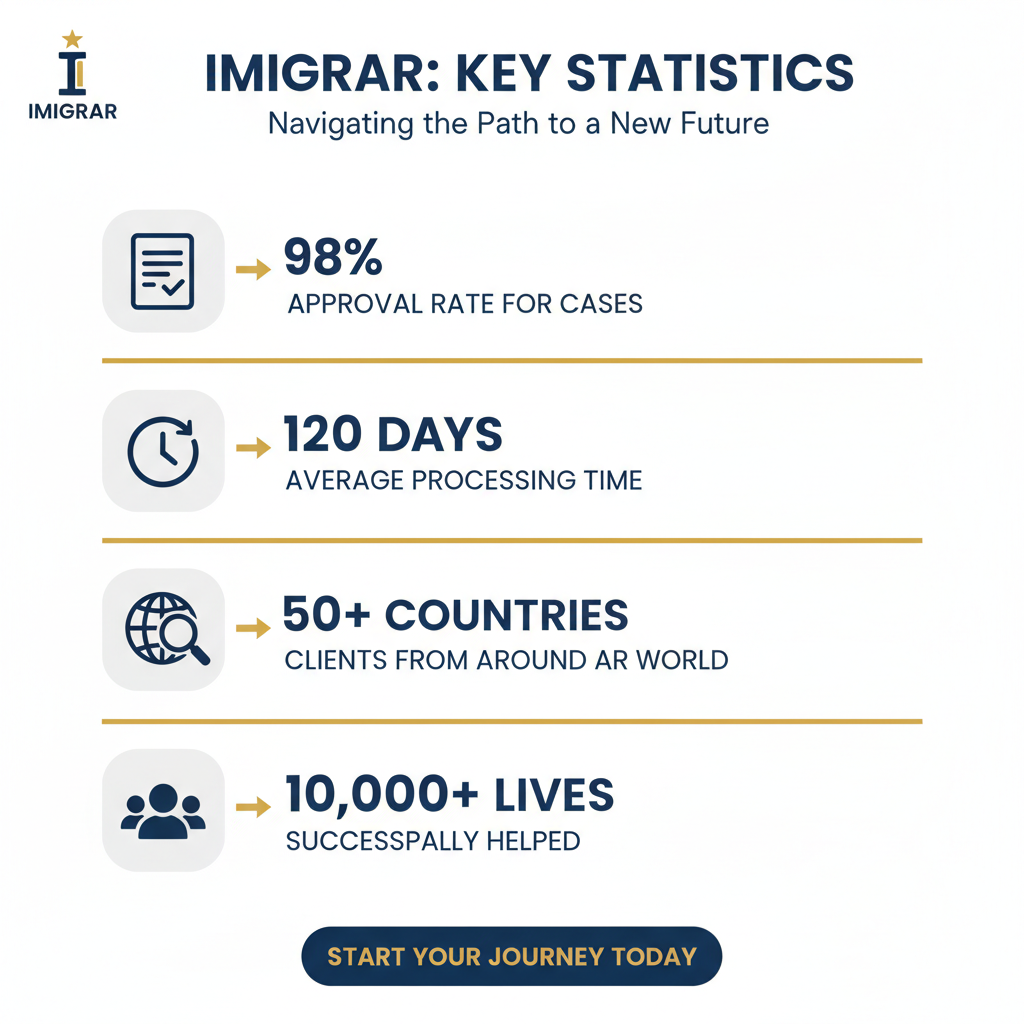
At Imigrar, we understand the emotional and legal challenges immigration cases bring. Our experienced team in Orlando focuses exclusively on immigration law, offering compassionate support and knowledgeable representation.
We provide free initial consultations to review your case and explain your options. Our attorneys are adept at navigating the complexities of detention cases, bond hearings, and removal proceedings. We meticulously prepare all necessary forms and evidence, ensuring your case is presented in the strongest possible light. For example, in a bond hearing, we would not only argue for a lower bond amount but also present evidence of strong community ties, lack of flight risk, and good moral character to persuade the judge.
Se Habla Español to better assist our community. We believe that language should never be a barrier to justice, and our bilingual team ensures clear and effective communication throughout your legal journey. Whether you're facing detention, seeking asylum, or pursuing family-based immigration, Imigrar is here to advocate for your rights and help you achieve your immigration goals.
Contact us anytime at +1 786-791-3106 or through our online contact form.
Don't navigate immigration alone. Se Habla Español.
Frequently Asked Questions
Q: Is ICE detaining green card holders?
A: Yes, ICE can detain lawful permanent residents (green card holders) if they are suspected of certain crimes, specific immigration violations, or if they are deemed inadmissible upon re-entry. Being a green card holder does not guarantee immunity from detention or removal proceedings, especially for offenses involving moral turpitude or aggravated felonies. Legal defense is crucial for green card holders facing detention.
Q: Can DACA recipients be deported by ICE?
A: DACA recipients have temporary protection from deportation but can be detained or removed if they violate the terms of their DACA status, commit serious crimes, or are found to be a threat to national security. DACA status does not provide permanent protection, and its future remains subject to ongoing legal and political challenges, making legal vigilance essential.
Q: What percentage of ICE detainees are legal residents?
A: While the majority of ICE detainees are non-citizens without legal status, a small but notable percentage are lawful permanent residents (green card holders) or individuals with other forms of legal status. This highlights that even those with established legal ties to the U.S. can face detention and removal proceedings under specific circumstances, underscoring the importance of legal defense for all. Exact percentages fluctuate based on reporting periods.
Q: How long does immigration detention last?
A: The length of immigration detention varies significantly. Some individuals are held for only a few days or weeks, particularly if they are quickly granted bond or administrative closure. Others may be detained for months or even years, especially if their case is complex, involves appeals, or if they are subject to mandatory detention without bond eligibility, reflecting the severe backlog in immigration courts.
Q: Can I apply for bond if detained by ICE?
A: Many detainees are eligible to request bond to be released from custody while their immigration case proceeds. Eligibility depends on various factors, including the nature of their immigration violation, criminal history, and whether they are deemed a flight risk or a danger to the community. An immigration attorney can help file bond requests, gather supporting evidence, and represent you effectively at a bond hearing.
Q: What happens if my immigration case is denied?
A: If your immigration case is denied, you may have several options depending on the specific circumstances. These can include filing an appeal to the Board of Immigration Appeals (BIA), filing a motion to reopen or reconsider with the immigration court, or exploring other forms of relief with an attorney. Consulting an attorney promptly after a denial is critical to understand your options and avoid deportation.
Common Mistakes (and How to Avoid Them)
Mistake #1: Missing court hearings
Failing to attend scheduled hearings can result in deportation orders issued in your absence (in absentia), which are extremely difficult to reverse. Always keep track of dates and attend all hearings, even if you believe your attorney will handle everything. Use multiple reminder systems and confirm dates with your lawyer. If an emergency arises, contact your attorney immediately to explore options for a motion to continue.
Mistake #2: Not consulting an attorney early
Delaying legal advice, especially after an arrest or receipt of a Notice to Appear, can severely limit your options. Early consultation improves your chances of obtaining bond, identifying potential forms of relief, and building a strong defense. An attorney can advise you on what to say or not say to immigration officials, which can be crucial in protecting your rights and preventing self-incrimination. Don't wait until it's too late to seek professional guidance.
Mistake #3: Ignoring official notices or deadlines
Failing to respond promptly to any USCIS or EOIR communications, or missing filing deadlines, can harm your case or lead to automatic denial. This includes requests for evidence (RFEs), notices of intent to deny (NOIDs), and court-ordered deadlines for submitting documents. Always open and review all mail from immigration authorities immediately, and discuss it with your attorney. If you move, ensure your address is updated with all relevant agencies to avoid missing crucial notices.
Important Information for Orlando and Central Florida Residents
If your case is in Orlando, you may appear before the local immigration court or USCIS Field Office in the area. The Orlando USCIS Field Office processes many applications and petitions, including forms such as Form I-130 and Form I-485. Understanding the specific procedures and average processing times for the Orlando office is vital for managing expectations and planning your case strategy. For instance, knowing the local office's typical approach to interviews or requests for additional evidence can help in better preparation.
The I-4 corridor, which includes Orange County, is a significant area for immigration cases. Enforcement patterns here may shift with federal policy changes, so staying informed and seeking local legal help is essential. For example, while federal policy might dictate a general pullback from certain enforcement tactics, local ICE field offices in Florida may still maintain a robust presence in areas like the I-4 corridor, especially near transportation hubs or agricultural zones. Being aware of local enforcement "hot spots" and community resources specific to Orlando can provide an additional layer of preparedness and support.
Furthermore, local non-profit organizations and community centers in Orlando frequently offer "Know Your Rights" workshops and legal clinics specifically tailored to the Central Florida immigrant population. These resources can provide invaluable information on local enforcement trends, available legal aid, and support networks. Engaging with these local resources, alongside professional legal counsel from firms like Imigrar, ensures a comprehensive approach to navigating the complexities of immigration law in Florida.
Take the first step. Keep Families Together.
Authoritative Resources

Contact Imigrar Today
If you or a loved one is facing immigration detention or court proceedings in Orlando or elsewhere in Florida, contact Imigrar for experienced, compassionate support. Our team speaks English and Spanish to serve you better, ensuring that language is never a barrier to effective legal representation. We are committed to protecting your rights and guiding you through every step of the immigration process, from initial consultation to final resolution.
Call us at +1 786-791-3106 or message us online for a free consultation. Keep Families Together.
Related Topics
Need Legal Assistance?
Our experienced immigration attorneys are here to help with your case. Contact Imigrar today for a free consultation and let us guide you through the legal process with confidence.
📍 Orlando, Florida • Serving clients nationwide
📧 info@imigrar.com