
Green Card Interview Prep: Your Ultimate Guide for Orlando & FL
Navigate your Green Card interview with confidence. This comprehensive guide from Imigrar provides essential tips, document checklists, and expert advice for Florida immigrants.

The journey to obtaining a Green Card, or permanent residence in the United States, is a significant milestone for countless individuals and families. While the application process itself involves extensive paperwork and waiting periods, one of the most crucial and often nerve-wracking stages is the Green Card interview. This interview is your opportunity to demonstrate your eligibility and provide clarity on your case directly to a U.S. Citizenship and Immigration Services (USCIS) officer.
At Imigrar, we understand the immense importance of this interview. Based in Orlando, Florida, we are dedicated to helping immigrants and their families navigate every step of this complex process with confidence. This comprehensive guide is designed to equip you with the knowledge and practical strategies needed to prepare for your Green Card interview, ensuring you present your case effectively and accurately.
The reporting that sparked this guide:
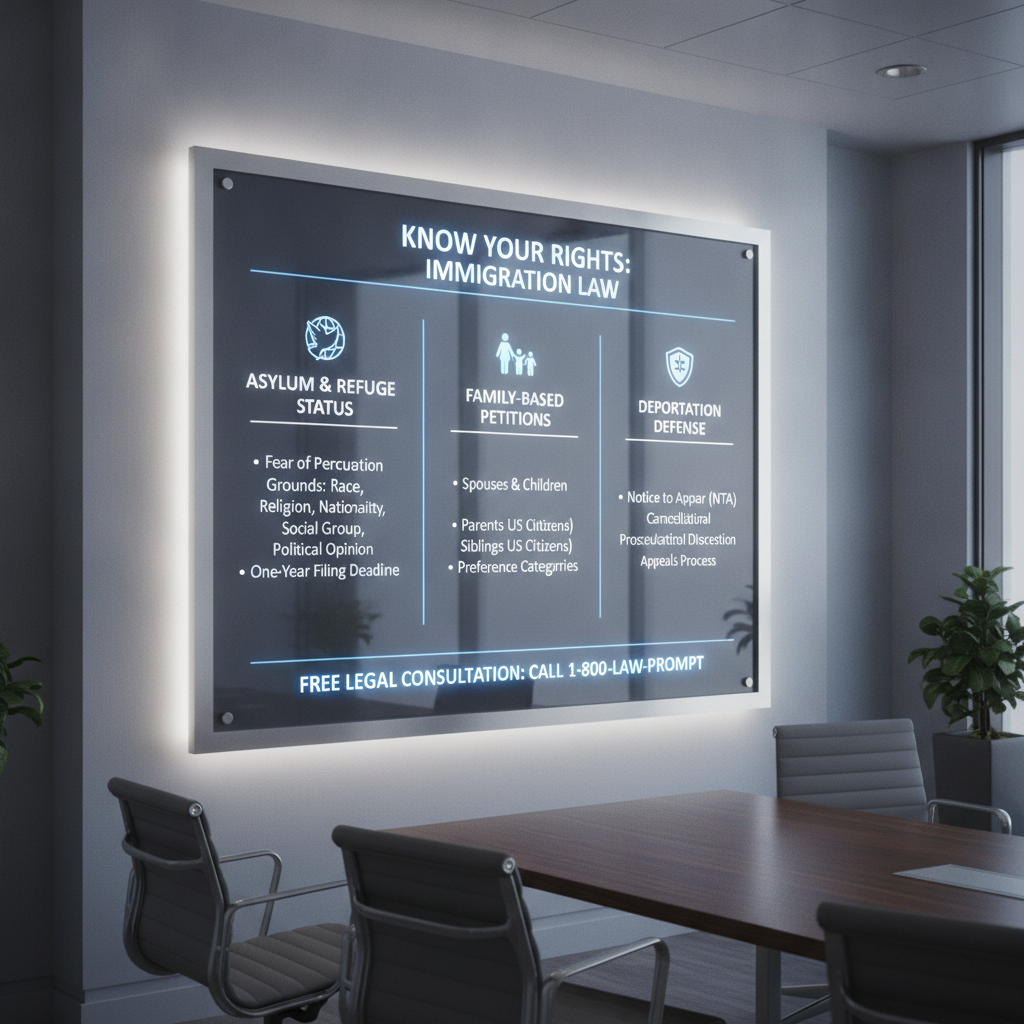
In the evolving landscape of immigration law, news and updates are constant. The underlying importance of thorough preparation for critical immigration junctures, such as the Green Card interview, frequently emerges in discussions and reports on immigration law. Our focus on this topic is directly informed by the continuous need for clarity and guidance for applicants facing this pivotal moment in their immigration journey, as highlighted by ongoing discussions in the field:
Green Card Interview Preparation Tips (Immigration Law)
What This News Means for Immigrants in Orlando and Across Florida
The consistent emphasis on proper preparation for Green Card interviews isn't just a general recommendation; it carries significant weight for individuals seeking permanent residency. For those living in Orlando and across the Sunshine State, understanding the nuances of this process can be the key to a successful outcome.
Why this news is showing up now
The topic of Green Card interview preparation is perennially relevant, but its prominence often fluctuates with shifts in immigration policy, USCIS processing priorities, and the volume of applications. In 2026, we continue to see a focus on integrity in the immigration system, which translates to more thorough interviews and increased scrutiny of applications. This means that applicants are expected to be more prepared than ever to clearly articulate their eligibility and provide comprehensive evidence.
- Increased Scrutiny: USCIS officers are often trained to identify potential inconsistencies or red flags. This makes careful preparation not just helpful, but essential.
- Application Backlogs: Despite efforts to streamline, backlogs can still exist. When an interview is finally scheduled, it's critical to make it count, as delays for Requests for Evidence (RFEs) or rescheduled interviews can significantly prolong the process.
- Evolving Policies: While core immigration laws remain, administrative policies and interpretations can shift. Staying informed and well-prepared helps applicants adapt to any changes in interview focus or evidence requirements.
How it can affect Florida residents
Florida is home to one of the largest and most diverse immigrant populations in the United States. With major USCIS Field Offices in cities like Orlando, Miami, and Tampa, residents throughout the state frequently interact with the immigration system. This heightened activity means:
- High Volume of Interviews: If your case is in Orlando, you’re part of a vast pool of applicants. The Orlando USCIS Field Office, located on Bennett Road, handles a significant number of Green Card interviews daily. Being well-prepared helps your interview proceed smoothly and efficiently.
- Local Processing Considerations: While federal law applies nationwide, each field office can have slight variations in how they conduct interviews or what they prioritize. Local attorneys, like those at Imigrar, are familiar with the specific practices and expectations of the Orlando office.
- Importance of Local Legal Counsel: For Central Florida residents, having an Orlando-based immigration attorney who understands the local landscape and can attend your interview with you offers a significant advantage. They can provide tailored advice based on their experience with the specific officers and procedures in your area.
- Diverse Case Types: Florida sees a wide range of Green Card applications, from family-based petitions along the I-4 corridor to employment-based cases. Proper preparation is universally critical, regardless of the pathway to permanent residency.
Need Help? Our Orlando immigration team is ready to assist. Navigating your Green Card interview successfully is our priority. Call +1 786-791-3106 for a free consultation, or message us online. Se Habla Español.
What Green Card Interview Is (and Why It Matters)
The Green Card interview is a critical step in the process of becoming a lawful permanent resident of the United States. It's not just a formality; it's an essential opportunity for USCIS to verify the information provided in your application, confirm your eligibility, and ensure that no grounds of inadmissibility apply to your case.
A plain-English definition
Simply put, a Green Card interview is a meeting with a USCIS immigration officer. During this meeting, the officer will ask you questions about your application, your background, and the basis of your eligibility for a Green Card. For instance, if you're applying through marriage, they will ask about your relationship with your spouse. If it's an employment-based petition, they'll inquire about your job, qualifications, and the petitioning employer. The primary goal is to ensure that all information is truthful, consistent, and that you meet all legal requirements for permanent residency.
This interview is typically the final step before USCIS makes a decision on your application for Adjustment of Status (applying for a Green Card while already in the U.S.) or, in some cases, for Consular Processing (applying for an immigrant visa at a U.S. embassy or consulate abroad, though the interview for this is with a Consular Officer, not USCIS).
Key terms you need to know
Understanding the jargon associated with the Green Card process will help you feel more confident and informed:
- Adjustment of Status (AoS): The process of applying for a Green Card while physically present in the United States. This is the pathway that typically involves an interview at a USCIS Field Office, such as the one in Orlando.
- Consular Processing: The process of applying for an immigrant visa at a U.S. embassy or consulate abroad. Once the visa is issued, the applicant travels to the U.S. and becomes a lawful permanent resident upon entry.
- Immigrant Visa: A visa issued to foreign nationals who intend to live permanently in the United States. This is what you receive through Consular Processing.
- Form I-485: The Application to Register Permanent Residence or Adjust Status. This is the primary form you file to apply for a Green Card if you are in the U.S.
- Form I-130: The Petition for Alien Relative. This form is typically filed by a U.S. citizen or lawful permanent resident on behalf of a qualifying relative, serving as the foundational petition for many family-based Green Card applications.
- Form I-864: The Affidavit of Support. This legally binding document is filed by the petitioner (sponsor) to show that the immigrant applicant has adequate means of financial support and will not become a "public charge."
- Public Charge: A ground of inadmissibility where an individual is deemed likely to become primarily dependent on the government for subsistence. The Form I-864 is crucial in overcoming this concern.
- Priority Date: The date USCIS receives your immigrant petition (e.g., Form I-130 or Form I-140). This date determines your place in the visa queue, especially for categories with annual visa limits.
- USCIS Field Office: A local office of U.S. Citizenship and Immigration Services where interviews, naturalization ceremonies, and other services are conducted. For many Central Florida residents, this will be the Orlando USCIS Field Office.
- Request for Evidence (RFE): A letter from USCIS requesting additional documents or information to support your application. This can happen before or after an interview.
- Notice of Intent to Deny (NOID): A letter from USCIS informing you of their intention to deny your application and providing an opportunity to respond before a final decision is made.
Understanding these terms will not only help you navigate your interview but also empower you to engage more effectively with your immigration attorney. The interview is a critical juncture where all the information submitted in your application package is reviewed and validated, making thorough preparation paramount.
Current Immigration Law: The Foundation
The Green Card interview is conducted within the framework of U.S. immigration law, primarily governed by the Immigration and Nationality Act (INA). Understanding these foundational laws helps illuminate the purpose and scope of the interview questions.
Federal requirements
The interview aims to confirm your eligibility under specific sections of the INA and ensure you are not inadmissible to the United States. Key federal requirements and legal considerations include:
- Eligibility for Adjustment of Status (INA §245): For those applying from within the U.S., the interview verifies that you meet the criteria for adjusting your status. This typically requires a lawful entry, a valid immigrant petition (like Form I-130), and being eligible for an immigrant visa.
- Grounds of Inadmissibility (INA §212): A significant part of the interview is to screen for any grounds that would make you ineligible for a Green Card. These can include:
- Health-Related Grounds: Certain communicable diseases, failure to get required vaccinations.
- Criminal Grounds: Convictions for certain crimes, drug trafficking, moral turpitude.
- Security and Related Grounds: Terrorism, espionage, Nazi persecution.
- Public Charge Grounds: The officer will assess if you are likely to become primarily dependent on government assistance. The Form I-864 is crucial here.
- Misrepresentation and Fraud: Any false statements or fraudulent documents submitted in connection with an immigration benefit.
- Prior Immigration Violations: Overstaying a visa, unlawful presence, previous removals.
- Bona Fide Relationship (for family-based petitions): For marriage-based Green Cards, the interview heavily focuses on proving that your marriage is legitimate and not solely entered into for immigration purposes. This falls under the general requirement that the underlying petition (Form I-130) is valid.
- Sufficiency of Evidence: The interview is also an opportunity for the officer to review all evidence submitted and request additional proof if needed, ensuring compliance with evidentiary standards for each specific Green Card category.
All federal forms and guidelines are available on the USCIS official website. It is essential to refer to these official sources for the most accurate and up-to-date information.
Florida-specific considerations
While U.S. immigration law is federal, the practicalities of your Green Card interview as a Florida resident will center around the local USCIS Field Offices. For many in Central Florida, this means the Orlando USCIS Field Office.
- Orlando USCIS Field Office: If you reside in Orange County or surrounding areas, your interview will likely be scheduled at the Orlando Field Office. Familiarity with its location, parking, and general procedures can ease your interview day stress.
- High Caseload: Florida's large immigrant population means these field offices handle a high volume of cases. This can sometimes affect processing times or the availability of interview slots. Monitoring USCIS Processing Times for the Orlando office is advisable.
- Local Attorney Expertise: An immigration attorney based in Orlando, like Imigrar, possesses direct experience with the specific nuances of the Orlando Field Office, including common officer questions, preferred document organization, and local practices. This local insight can be invaluable for your preparation.
When preparing for your Green Card interview, you will interact with several key USCIS forms. These include, but are not limited to:
- Form I-130, Petition for Alien Relative: Filed by a U.S. citizen or LPR to establish a qualifying relationship.
- Form I-485, Application to Register Permanent Residence or Adjust Status: Your direct application for the Green Card.
- Form I-765, Application for Employment Authorization: Often filed concurrently with Form I-485 to obtain a work permit while your Green Card is pending.
- Form I-131, Application for Travel Document: Often filed concurrently with Form I-485 to obtain Advance Parole, allowing you to travel internationally while your Green Card is pending without abandoning your AoS application.
- Form I-864, Affidavit of Support: The financial sponsorship document.
- Form I-693, Report of Medical Examination and Vaccination Record: Completed by a USCIS-approved civil surgeon.
You can find all these forms and their instructions on the USCIS Forms page.
Concerned about legal requirements? Our Orlando immigration attorneys specialize in Green Card applications. Don't leave your future to chance. Contact Imigrar at +1 786-791-3106 for a free consultation. Se Habla Español.
How to Prepare for Your Green Card Interview: A Complete Step-by-Step Guide
The Green Card interview is the culmination of your application process. Being well-prepared can significantly increase your chances of a smooth and successful outcome. Follow this comprehensive step-by-step guide to ensure you're ready.
1) Understand Your Case & Review Your Application
Before anything else, you must have a deep understanding of every detail submitted in your Green Card application. This includes your original petition (e.g., Form I-130 for family-based, Form I-140 for employment-based), your Form I-485, and all supporting documents.
- Review Every Form: Go through each form line by line. Ensure you remember all the answers you provided. Officers often refer to specific questions on these forms.
- Identify Potential Issues: Think about any gaps in your employment history, past addresses, travel history, or minor inconsistencies. Be ready to explain them clearly and truthfully.
- Know Your Story: If your Green Card is based on marriage, understand the timeline of your relationship, key dates (first meeting, proposal, marriage), and significant life events together. For employment-based, be clear on your job duties, qualifications, and the company's background.
- Consult with Your Attorney: Your Imigrar attorney will review your entire application package with you, highlight areas of potential scrutiny, and help you formulate clear, concise answers.
Reminder: Consistency is key. Your verbal answers at the interview must match the information provided in your written application.
2) Gather All Original Documents and Copies
USCIS requires you to bring all original documents that you previously submitted as copies, along with new evidence. This is perhaps the most critical logistical step.
- Originals of All Submitted Documents:
- Your passport and all previous passports.
- Birth certificates (for you, your petitioner, and any dependent children).
- Marriage certificate (if applicable).
- Divorce decrees or death certificates for any previous marriages (for you or your petitioner).
- Previous visa stamps and I-94 arrival/departure records.
- Work permits (EAD cards) and Advance Parole documents (if applicable).
- Affidavit of Support (Form I-864) and all supporting financial documents (tax returns, W-2s, pay stubs for petitioner and joint sponsors).
- Medical Examination Report (Form I-693) in a sealed envelope (if not already submitted or if expired). Make sure the civil surgeon has not opened it.
- Any previous USCIS notices or decisions related to your immigration history.
- Copies of Everything: Bring a complete set of photocopies of all originals. Sometimes, officers will keep copies, saving you time if they need to copy something.
- New Evidence (if applicable): If there have been significant life events or new documents since your application was filed, bring them. This is especially true for marriage-based cases, where ongoing evidence of a bona fide marriage is crucial.
Important: Do not forget your interview notice (Form I-797C, Notice of Action).
3) Organize Your Evidence Meticulously
A well-organized file speaks volumes about your preparedness and can significantly streamline the interview process for the officer.
- Create a Binder or Folder: Use a binder with dividers and tabs for different categories of documents. Label each section clearly (e.g., "Passports," "Birth Certificates," "Marriage Evidence," "Financial Documents").
- Separate Originals and Copies: Keep your original documents separate from their copies, but readily accessible.
- For Marriage-Based Cases (Evidence of Bona Fide Marriage):
- Joint bank accounts (statements, joint credit cards).
- Joint leases or mortgage statements.
- Utility bills in both names.
- Health, life, or car insurance policies listing each other as beneficiaries.
- Birth certificates of children born to the marriage.
- Photographs together (dating back from the beginning of your relationship, with family and friends).
- Affidavits from friends and family attesting to the bona fides of your marriage.
- Correspondence (emails, texts, cards) between spouses.
- Travel itineraries and tickets for trips taken together.
- Any other evidence demonstrating a shared life and commitment.
- For Employment-Based Cases:
- Original offer letter and employment contract.
- Pay stubs and tax returns.
- Letters from employer confirming employment.
- Educational degrees, diplomas, and transcripts.
- Professional licenses or certifications.
Tip: Presenting a neatly organized file shows respect for the officer's time and reflects positively on your attention to detail.
4) Prepare for the Interview Itself: Practice and Logistics
Mental and logistical preparation are just as important as document gathering.
- Practice Answering Questions: Your attorney will conduct mock interviews with you. Practice answering common questions clearly and concisely. Focus on being truthful and direct.
- For marriage-based: "How did you meet?", "When did you get married?", "What does your spouse do for work?", "Describe your daily routine together."
- For employment-based: "What are your job duties?", "How long have you been with the company?", "What are your qualifications for this role?"
- Dress Professionally: Present yourself respectfully. Business casual or professional attire is appropriate.
- Arrive Early: Plan to arrive at the Orlando USCIS Field Office at least 30-45 minutes before your scheduled interview time. This allows for security checks, finding parking (which can be tricky in urban areas like Orlando), and settling your nerves. Being late can lead to rescheduling or even denial.
- Know Your Rights: Understand that you have the right to an attorney and to an interpreter (if needed and provided by USCIS, or you can bring your own).
- Childcare: If possible, arrange for childcare. While children can attend, it's often easier to focus without distractions.
Warning: Never lie or provide false information. Doing so can lead to a denial of your Green Card and severe immigration consequences.
5) Attend the Interview with Confidence
On the day of the interview, maintain a calm and respectful demeanor.
- Be Truthful and Consistent: Answer all questions honestly. If you don't understand a question, politely ask the officer to repeat or rephrase it. Do not guess.
- Stay Calm and Respectful: The officer's job is to verify information. Be polite, make eye contact, and answer only the questions asked. Avoid volunteering unnecessary information.
- Let Your Attorney Speak (When Appropriate): If you have an attorney, they are there to represent you. They can clarify questions, object to inappropriate inquiries, and ensure your rights are protected. They cannot answer for you, but they can guide you.
- Interpreter: If you requested a USCIS interpreter or brought your own, ensure they are translating accurately.
- Oath: You will be asked to swear an oath to tell the truth before the interview begins. Take this seriously.
- Signatures: You may be asked to sign certain documents or confirm information in your application. Read carefully before signing.
Reminder: For marriage-based interviews, both spouses must attend. They may be interviewed together or separately, or both.
6) Follow-Up After the Interview
The interview is often not the absolute end of the process, but rather a significant step towards a decision.
- Immediate Decision: Sometimes, the officer may indicate approval at the end of the interview. This is a positive sign, but it's not a final approval until you receive the physical Green Card.
- Request for Evidence (RFE): The officer might issue an RFE if they need more documents or clarification. Respond promptly and thoroughly to any RFE. Your attorney can help you prepare the response.
- Notice of Intent to Deny (NOID): In rare cases, you might receive a NOID. This is serious and requires an immediate and robust response, usually with the help of an attorney, to prevent a denial.
- Approval Notice and Green Card: If approved, you will typically receive an approval notice, followed by your physical Green Card in the mail within a few weeks.
- Conditional Green Card: If your marriage is less than two years old at the time of approval, you will receive a conditional Green Card valid for two years. You and your spouse will then need to file Form I-751, Petition to Remove Conditions on Residence, within the 90-day window before the conditional Green Card expires.
Timeline: Processing times vary greatly. You can check general processing times for the Orlando Field Office at USCIS Processing Times, but understand that individual cases can differ.
Practical Steps You Can Take Today
Don't wait until the last minute to prepare for your Green Card interview. Start taking these practical steps now to ensure a smooth process.
Actionable Checklist:
- Review Your Entire Application: Pull out copies of your Form I-130, Form I-485, and all supporting documents. Read through every question and answer. Highlight any areas where you might need to provide further explanation or remember specific dates.
- Start Gathering Originals: Begin locating all original versions of the documents you submitted (birth certificates, marriage licenses, passports, etc.). Don't assume you know where they are; verify their location and condition.
- Organize New Evidence (Especially for Marriage-Based): If your case is marriage-based, actively collect new joint documents (bank statements, bills, photos, updated insurance policies) that demonstrate the ongoing bona fides of your marriage. Date everything.
- Schedule
Related Topics
Need Legal Assistance?
Our experienced immigration attorneys are here to help with your case. Contact Imigrar today for a free consultation and let us guide you through the legal process with confidence.
📍 Orlando, Florida • Serving clients nationwide
📧 info@imigrar.com