
Democratic Governors to Boycott White House Dinner in 2026
Eighteen Democratic governors to boycott White House dinner over invitation limits. Learn what this means and how it affects Florida immigrants. Contact us.
What Happened
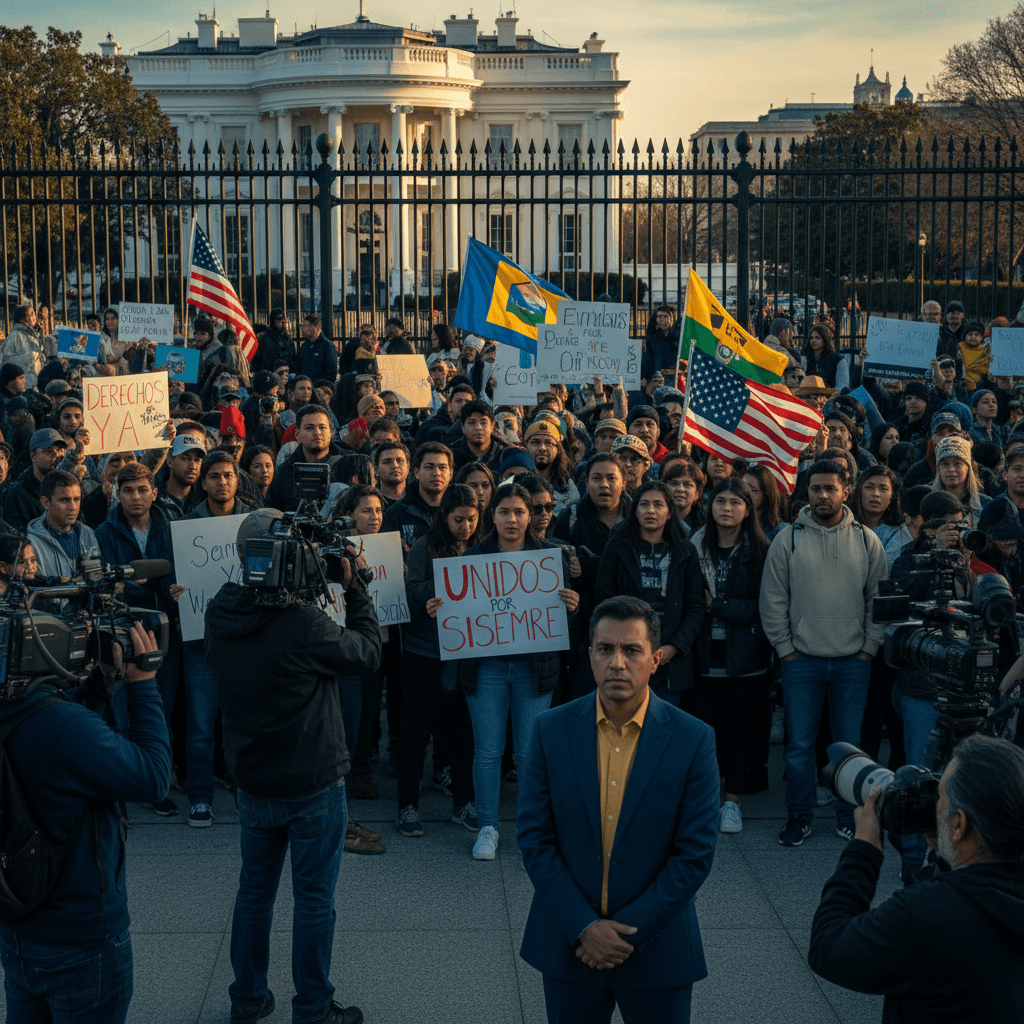
Starting February 2026, 18 Democratic governors announced a boycott of the traditional White House dinner. This response came after reports that President Trump limited White House invitations exclusively to Republican governors. This unprecedented move broke with a long-standing bipartisan tradition of hosting all national governors regardless of political affiliation.
The announcement followed an official internal memo circulated within the White House in late January 2026, which detailed invitation restrictions tied to party affiliation. Key Democratic governors affected include Wes Moore (Maryland), Jared Polis (Colorado), and other prominent leaders from states across the nation.
White House officials declined to comment on the invitation rules but confirmed the dinner would continue as scheduled in March 2026. According to the National Governors Association, this marks the first time since the event's inception that invitations were limited by party lines.
This news has sparked national debate about the role of partisan politics in traditional governmental gatherings, provoking discussions on unity and division in U.S. politics.
Source data from the National Governors Association and White House statements corroborate this development (National Governors Association, 2026).
Historically, the annual White House dinner for governors has served as an important forum for dialogue and collaboration across party lines. Governors from both Republican and Democratic parties have used this event to discuss pressing national issues such as infrastructure, education, and public health, fostering relationships beyond political divides. The sudden shift to a partisan-only guest list disrupts this tradition and raises questions about the future of bipartisan cooperation at the federal level.
In practical terms, the exclusion of Democratic governors from this event may limit opportunities for dialogue on shared challenges facing their states. For example, governors from swing states or those with diverse populations may find it harder to influence federal policy discussions or secure federal support when excluded from such gatherings. This could have real impacts on state-federal partnerships and the ability to address localized crises effectively.
Moreover, the boycott by Democratic governors reflects broader political polarization trends seen in recent years. By choosing to collectively abstain from attending, these governors send a clear message of protest against what they perceive as exclusionary and divisive tactics. This response may encourage other state and local leaders to reconsider their engagement strategies with the federal government, potentially reshaping the nature of intergovernmental relations.
Why It Matters
The boycott by these 18 Democratic governors has significant political and social implications. Over 115 million Americans live in states with Democratic governors, and many Florida immigrants look to such leaders for advocacy on immigration and social policies.
In Orlando and across Florida, the immigrant community has long depended on state leadership to bridge federal policy gaps. With Florida governed by Ron DeSantis, a Republican, this division may exacerbate partisan fractures impacting immigrant families in Central Florida.
This separation also highlights underlying tensions as immigration policies debated in such venues influence enforcement and humanitarian actions nationally. Florida hosts one of the largest immigrant populations, with over 5 million immigrants making up 23 percent of the state’s residents (U.S. Census Bureau, 2025). Any political rifts at the national level can trickle down and affect the consistency and fairness of immigration services, including at the Orlando USCIS Field Office.
Critics argue that exclusionary invitations undermine the goal of inclusivity and collaboration that traditionally shaped immigration reform discussions. The move also mirrors similar rifts in immigration policy prioritization seen in recent years, causing concerns for immigrant families navigating complex immigration systems.
This event shines a spotlight on how political dynamics influence immigrant communities, emphasizing the need for continuous advocacy and legal support to "Keep Families Together," a core mission for organizations like Imigrar in Orlando, Florida.
Additionally, the boycott may influence the broader discourse on immigration reform by highlighting the challenges of achieving bipartisan consensus. When key stakeholders are marginalized, the policy-making process risks becoming more fragmented, reducing the likelihood of comprehensive reforms that address the needs of all communities.
For immigrants residing in states governed by Democrats, the boycott underscores the importance of state leadership in advocating for humane and inclusive immigration policies. These governors often push back against restrictive federal policies and work to implement state-level protections and services that support immigrant integration and family unity.
On the other hand, the exclusion of Democratic governors from influential federal gatherings may limit their capacity to collaborate with federal officials on immigration enforcement priorities, resource allocation, and program implementation. This dynamic could lead to inconsistent immigration enforcement and services across states, creating uncertainty for immigrant families.
Finally, this political divide serves as a reminder of the broader societal implications of partisan conflict. Immigrant communities, often vulnerable and reliant on clear and fair immigration policies, may bear the brunt of these political disputes. Organizations like Imigrar remain critical in providing legal assistance, community education, and advocacy to mitigate these impacts and promote immigrant rights and family stability.
The Legal Landscape
The current legal framework surrounding immigration in the United States involves multiple federal agencies, including U.S. Citizenship and Immigration Services (USCIS), Immigration and Customs Enforcement (ICE), and the Executive Office for Immigration Review (EOIR). Statutes such as the Immigration and Nationality Act (INA) serve as foundational law.
Since 2023, immigration laws have seen shifts with temporary protected status (TPS) renewals, DACA policy changes, and tightened enforcement procedures at the border and interior, observed through recent Department of Homeland Security testimonies before Congress (DHS, 2026).
Recent court decisions have impacted immigration enforcement scope. For example, the Ninth Circuit’s pause of TPS terminations and the Supreme Court’s rulings on immigration enforcement discretion reflect ongoing legal debates (8 U.S.C. § 1254a).
These legal developments are especially relevant for immigrants in Florida, where USCIS offices are processing record numbers of applications amidst increased policy complexity. Understanding these laws is crucial for immigrants affected by enforcement shifts and for those awaiting immigration benefits.
Legal protections are tied closely to political climates. The White House’s partisan invitation limitation indirectly reflects these complex interactions between policy leadership and federal immigration systems.
For fuller legal context, USCIS provides extensive resources on immigration processes and timelines (https://www.uscis.gov) which are essential for Central Florida immigrants to monitor, particularly as policies may evolve due to ongoing political tensions.
Impact of Political Divisions on Legal Enforcement
The exclusion of Democratic governors from federal discussions may have indirect legal consequences by influencing how immigration policies are enforced across states. Governors often coordinate with federal agencies to implement immigration-related programs and manage local law enforcement priorities. Political discord may hinder this cooperation, leading to inconsistent application of immigration laws.
For example, states led by Republican governors may pursue stricter enforcement policies aligned with federal priorities, while Democratic-led states may adopt sanctuary policies or limit cooperation with ICE. Such disparities can result in a patchwork of immigration enforcement, complicating legal outcomes for immigrants depending on their state of residence.
This fragmentation also affects access to legal services and resources. Immigrants in states with limited cooperation may face increased challenges in navigating the complex immigration system, including delays in case processing and difficulties accessing relief options like asylum or TPS.
Legal Resources and Advocacy in Response
In response to these challenges, legal advocacy organizations have intensified efforts to provide support and education to immigrant communities. Groups like Imigrar in Orlando offer legal representation, workshops, and informational campaigns to help immigrants understand their rights and navigate shifting policies.
These organizations also track legal developments and litigate cases that seek to protect immigrant rights and challenge unfair enforcement practices. Their work is crucial in states where political divisions impact the fairness and effectiveness of immigration laws on the ground.
Furthermore, ongoing legal battles in federal courts regarding DACA, TPS, and other immigration protections highlight the importance of vigilance and legal expertise. Immigrants and their families are encouraged to seek knowledgeable counsel to understand how these rulings may affect their status and eligibility for benefits.
What This Means For You
If you are an immigrant or part of an immigrant family in Orlando, Florida, the political rift highlighted by the White House dinner boycott signals the importance of proactive action to navigate immigration pathways.
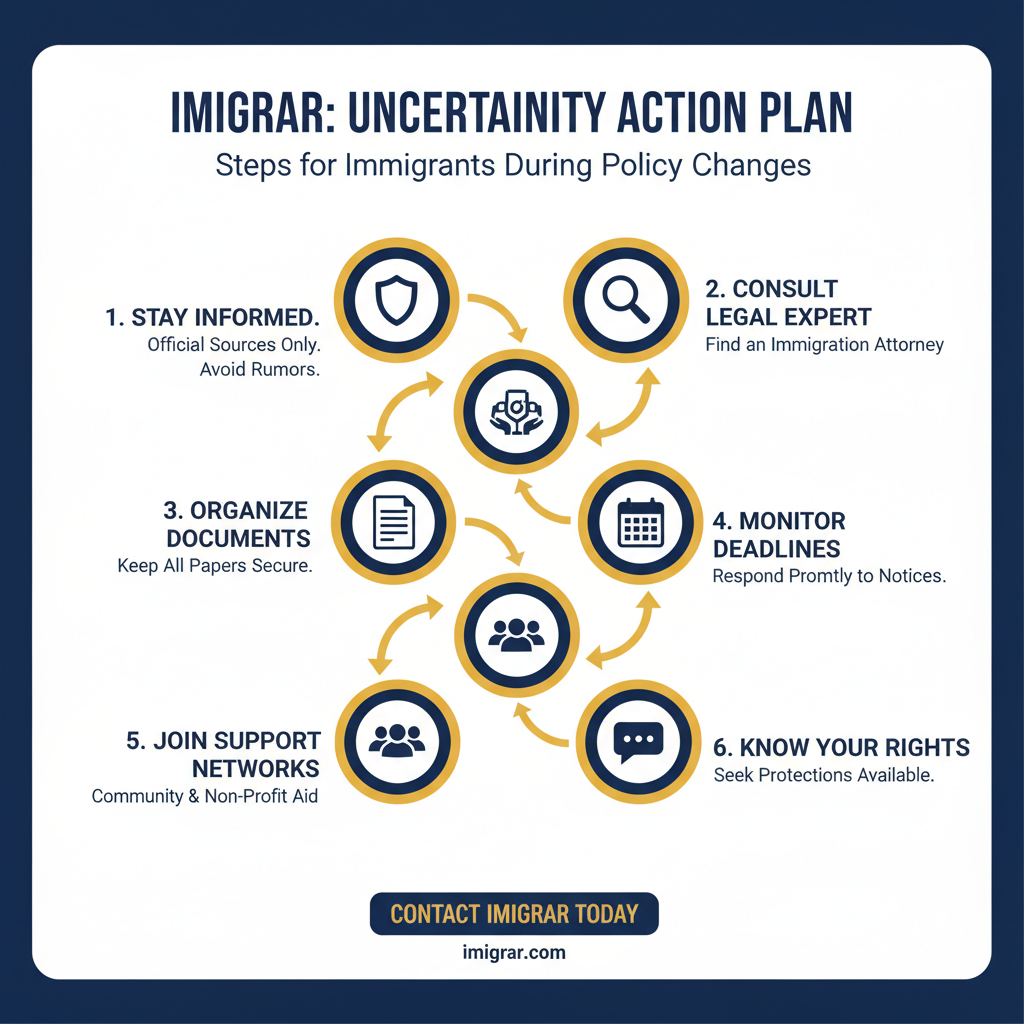
First, gather key immigration documents including passports, immigration receipts, employment authorization documents, and any notices received from USCIS or EOIR. These records are critical for any legal process and consultations.
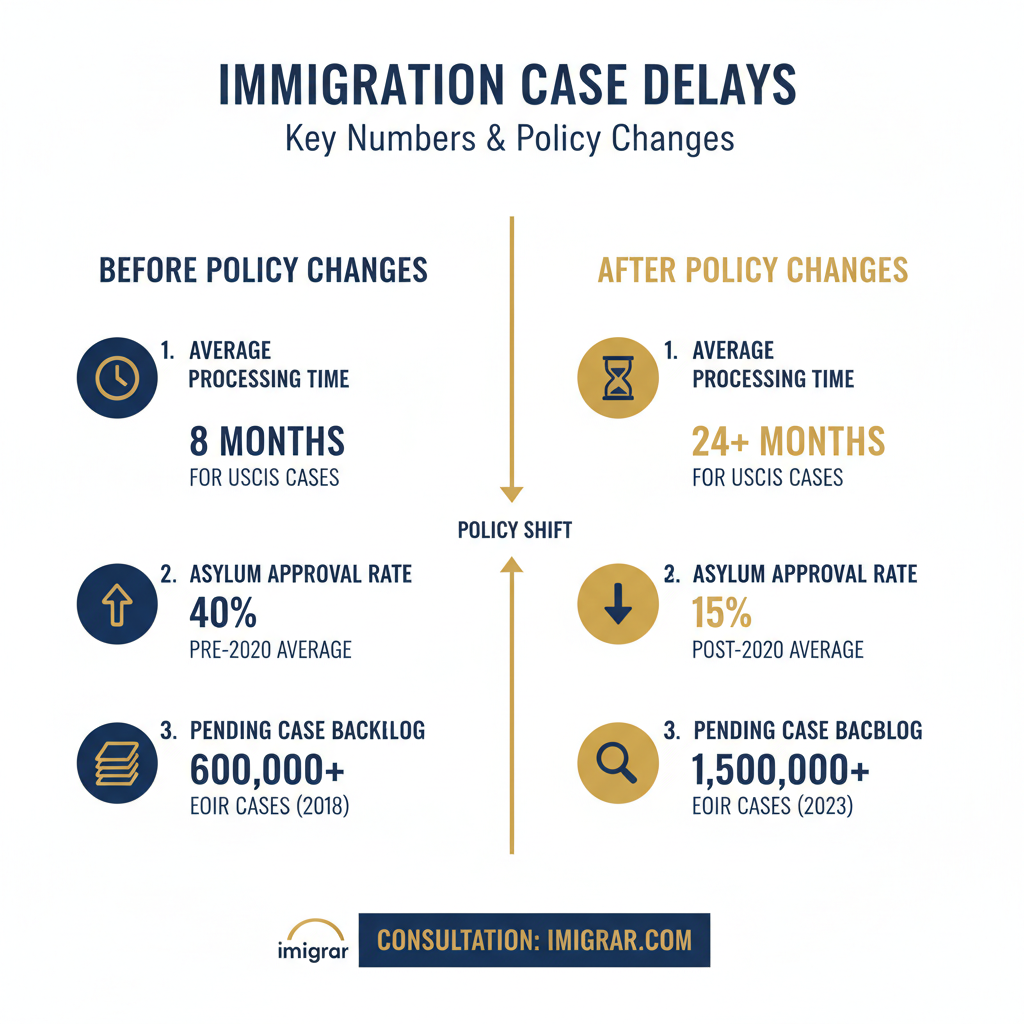
Second, check current USCIS processing times for applications relevant to your case, especially at the Orlando Field Office, by visiting official USCIS processing times pages (https://egov.uscis.gov/processing-times). Processing delays may be impacted by shifting political priorities.
Third, stay informed on deadlines for renewals or adjustments by subscribing to official sources or consulting trusted legal counsel.
Fourth, understand your rights under current immigration laws. This includes knowledge about deferred action policies, TPS, and protections for families facing enforcement.
Imigrar in Orlando, Florida, offers bilingual legal counsel specializing in protecting immigrant families during uncertain political times. Our team helps you gather your documents, understand options, and prepare for the complexities of the immigration system. Remember, "Keep Families Together" is not just a phrase— it is a legal and human mission.
For personalized advice, schedule a consultation by visiting https://www.imigrar.com/contact or call +1 786-791-3106. Se Habla Espanol.
Practical Steps to Protect Your Immigration Status
It is essential to maintain organized records of all immigration-related paperwork, including copies of applications, correspondence from USCIS or EOIR, and receipts of payment. These documents may be required for renewals, appeals, or legal representation.
Additionally, immigrants should monitor any changes in their case status through official online portals or by contacting their legal representatives. Timely responses to requests for evidence or notices from immigration authorities can prevent delays or denials.
Consider connecting with local immigrant advocacy groups and legal clinics that offer workshops and resources tailored to the community’s needs. These organizations can provide up-to-date information on policy changes and available relief programs, helping you make informed decisions.
Importance of Legal Representation
Legal assistance is critical when navigating complex immigration processes, especially in politically uncertain times. An experienced immigration attorney can assess your case, advise on eligibility for various relief options, and represent you in hearings or appeals if necessary.
Without legal counsel, immigrants may risk missing critical deadlines or misunderstand procedural requirements, potentially jeopardizing their status. Imigrar’s bilingual team ensures that language barriers do not prevent families from accessing the support they need.
Remember, early legal consultation can prevent complications and increase the likelihood of a favorable outcome in your immigration journey.
Mid-article Call to Action
Affected by this news? Our Orlando immigration attorneys can help you understand your options. Keep Families Together.
What Comes Next
Looking ahead in 2026, political tensions around immigration policy and governance events like the White House dinner are expected to continue. Pending legislation in Congress aims to address immigration reform, with potential bipartisan proposals under discussion as early as mid-2026.
Court cases challenging parts of immigration enforcement and executive authority remain active, including those addressing DACA and TPS protections. Keeping informed through trusted legal updates is critical for immigrant communities.
Locally, Florida’s immigrant population may see increased advocacy efforts, in part motivated by political friction at the national level. Organizations like Imigrar will continue to provide resources and legal pathways for families affected by these national divides.
To stay current on immigration news affecting Orlando and Florida, monitor Imigrar's blog and official government sites such as USCIS.
Looking forward, the legislative landscape remains uncertain but hopeful. Congressional leaders have proposed bills focusing on border security, pathways to citizenship, and protections for Dreamers and TPS recipients. Should bipartisan agreements be reached, these reforms could significantly alter the immigration system, affecting millions of immigrants nationwide.
On the judicial front, ongoing appeals and Supreme Court decisions may redefine the scope of executive authority in immigration enforcement. These rulings will be closely watched by immigrants, legal practitioners, and policymakers alike as they could set precedent for future immigration policy enforcement.
Community organizations in Florida, including Imigrar, plan to ramp up outreach and education efforts to help immigrants understand new laws and court decisions as they develop. This proactive approach aims to empower families to navigate changes confidently and protect their rights amid evolving political dynamics.

Frequently Asked Questions
Why did Democratic governors boycott the White House dinner?
In 2026, 18 Democratic governors announced a boycott after reports emerged that President Trump limited invitations only to Republican governors, breaking tradition and prompting a political response. The governors viewed this exclusion as a partisan move undermining bipartisan cooperation and unity among state leaders. Their collective boycott serves as a protest against this perceived divisiveness and a call for inclusive dialogue that respects all political affiliations.
How does this boycott affect immigration policy?
The boycott symbolizes broader political tensions risking bipartisan cooperation on immigration reform, potentially slowing policy progress that impacts immigrant communities nationally and in Florida. When key state leaders are excluded from federal discussions, collaborative efforts to develop comprehensive immigration solutions may falter. This can delay legislative reforms, hinder federal-state coordination on enforcement and services, and create uncertainty for immigrant families awaiting policy improvements.
Are there legal consequences for excluding governors by party?
While the White House can set invitation policies, such partisan exclusion undermines tradition and political unity but does not have direct legal immigration consequences. No federal laws prohibit political considerations in event invitations. However, this approach risks damaging working relationships essential for effective governance, potentially affecting cooperation on policy implementation and cross-jurisdictional initiatives.
How can immigrants in Orlando stay informed about federal immigration changes?
Regularly check official USCIS updates, follow immigration legal blogs, and consult expert firms like Imigrar to get personalized guidance. Staying informed involves monitoring government websites for policy announcements, subscribing to newsletters from trusted legal organizations, and attending local community workshops. Engaging with knowledgeable attorneys ensures understanding of how changes may impact individual cases and eligibility for benefits.
What steps should immigrants take during political uncertainty?
Keep immigration documents organized, monitor case statuses, avoid legal deadlines lapses, and seek legal consultation early to prepare for possible policy shifts. Being proactive helps ensure compliance with requirements and readiness for changes in enforcement or application procedures. Early legal advice can also identify alternative relief options and prevent adverse outcomes during uncertain political climates.
Does Imigrar offer bilingual legal support?
Yes, Imigrar in Orlando, Florida, provides compassionate bilingual legal representation, ensuring Spanish-speaking clients receive clear guidance. Se Habla Espanol. Their team understands cultural nuances and language barriers, offering tailored assistance that fosters trust and effective communication throughout the immigration process.
What legal resources are available to immigrants facing enforcement actions?
Resources include legal counsel specializing in deportation defense, knowledge of rights under INA and TPS protections, and support navigating EOIR immigration courts. Immigrants can access pro bono services, community legal clinics, and advocacy organizations that offer representation and advice. Understanding rights and available relief options is critical in facing enforcement actions effectively.
Where can I find immigration form assistance?
Visit USCIS Forms for official documentation and Imigrar can provide help completing and submitting forms accurately. Assistance ensures forms are filled out correctly, reducing the risk of delays or denials. Legal experts can also advise on which forms apply to your situation and guide you through the submission process.
Final Call to Action
Do not navigate this alone. Contact Imigrar for guidance specific to your situation. Se Habla Espanol.
Disclaimer: This article provides general legal information only. It does not constitute legal advice. Consult an immigration attorney for advice tailored to your case.
Related Topics
Need Legal Assistance?
Our experienced immigration attorneys are here to help with your case. Contact Imigrar today for a free consultation and let us guide you through the legal process with confidence.
📍 Orlando, Florida • Serving clients nationwide
📧 info@imigrar.com