
DACA Renewal 2026: Your Guide to Updates & Protecting Your Status
Stay informed on DACA updates and renewal in 2026. Imigrar provides a comprehensive guide for Dreamers in Florida and nationwide, ensuring you protect your status. Se Habla Español.
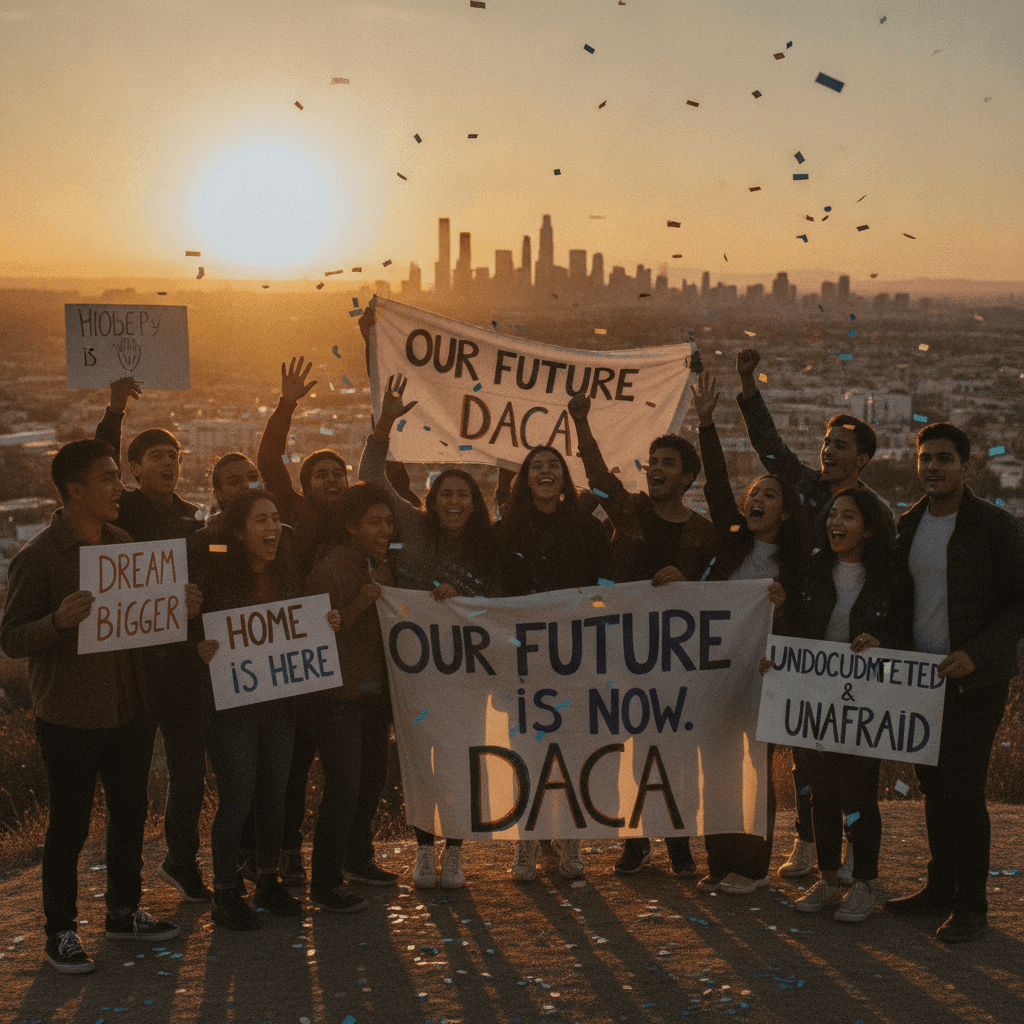
At Imigrar, we understand the immense uncertainty and anxiety that immigration policies can create for individuals and families. Our mission is to "Keep Families Together," and that commitment extends wholeheartedly to Deferred Action for Childhood Arrivals (DACA) recipients, often known as Dreamers.
The DACA program, which has provided crucial protection and opportunities for hundreds of thousands of young people, remains a subject of ongoing legal and political debate. As of November 11, 2026, DACA continues to face challenges, but renewals are still being processed by USCIS. Staying informed and prepared is paramount.
Need Clarity on Your DACA Renewal? Don't navigate the complexities alone. Our experienced immigration attorneys in Orlando are here to help. Call +1 786-791-3106 for a free, confidential consultation today, or message us online. Se Habla Español.
The Reporting That Sparked This Guide
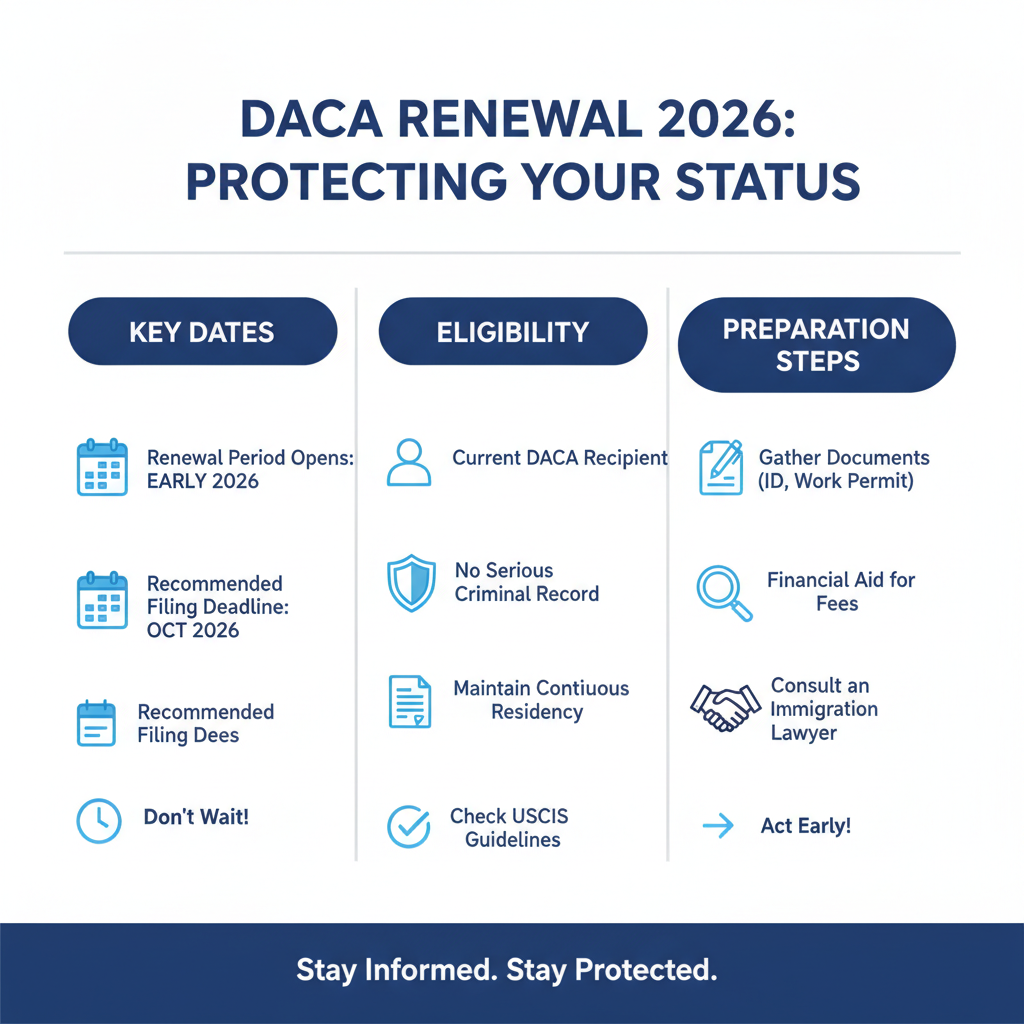
Ongoing developments regarding DACA, from court rulings to administrative announcements, consistently make headlines. The reporting that sparked this guide reflects the continuous need for clarity and accurate information for DACA recipients navigating their status. Keeping abreast of the latest information from official sources like USCIS is crucial for all Dreamers. For general updates and news, you can refer to broad immigration law reporting:
DACA Program Updates and Renewal Information (USCIS)
What This News Means for Immigrants in Orlando and Across Florida
For the thousands of DACA recipients living in Florida, and particularly in the vibrant communities of Orlando and across the I-4 corridor, these ongoing updates are more than just news headlines – they directly impact lives, livelihoods, and futures. The program's uncertain future has created a persistent need for vigilance and proactive planning.
Why this news is showing up now
The DACA program has been embroiled in legal challenges almost since its inception in 2012. While initially established through executive action, its legality has been repeatedly questioned in federal courts. As of November 2026, the program's ability to accept new applications remains blocked by court orders, specifically the injunction from the Southern District of Texas ruling (initially in 2021 and upheld on appeal). This means USCIS is currently only permitted to process DACA renewal requests and accompanying applications for employment authorization documents (EADs).
These legal battles are complex and often involve appeals to higher courts, including the Supreme Court. Each new court filing, hearing, or decision generates fresh news, highlighting the program's precarious status. Furthermore, administrative actions by the Department of Homeland Security (DHS) to codify DACA into regulation have also faced legal scrutiny, adding layers of complexity. For Dreamers, this means a constant state of flux, where vigilance over current policies and legal avenues is not just advisable, but essential for maintaining their protection.
How it can affect Florida residents
Florida is home to a significant population of DACA recipients, many of whom are deeply integrated into the state's economy and communities. For these individuals and their families, the continuous legal challenges mean:
- Uncertainty for Futures: The inability to apply for new DACA status leaves many young, aspiring immigrants without the same protections, impacting their educational and career prospects in Florida.
- Renewal Vigilance: Current DACA holders in Orlando, Miami, Tampa, and other Florida cities must be meticulously organized and proactive about their renewals to avoid any lapse in protection or work authorization. A lapse could mean losing their jobs, driver's licenses, and facing the threat of deportation.
- Economic Impact: DACA recipients contribute significantly to Florida's economy. Any disruption to their work authorization or status could have ripple effects on local businesses and industries across Central Florida.
- Community Stress: The ongoing uncertainty creates significant stress and anxiety within immigrant communities in Orange County and beyond, impacting mental health and overall well-being.
- State-Specific Policies: While DACA is a federal program, state-level policies in Florida can also impact DACA recipients, such as eligibility for in-state tuition or certain professional licenses. Staying informed about both federal and state regulations is crucial.
Important: For DACA recipients in Florida, understanding these dynamics is not just about legal compliance; it's about safeguarding your life and your family's stability. Imigrar is here to provide the expert legal guidance needed in these turbulent times.
What DACA Is (and Why It Matters)
Deferred Action for Childhood Arrivals, or DACA, is a critical immigration policy that has impacted the lives of hundreds of thousands of young people across the United States since its inception in 2012. While it is not a path to citizenship or a permanent legal status, it offers crucial protections and opportunities.
A plain-English definition
At its core, DACA is an exercise of "prosecutorial discretion" by the Department of Homeland Security (DHS). This means the government chooses to defer (postpone) any deportation action against certain eligible young undocumented immigrants for a renewable two-year period. In simpler terms, DACA provides temporary protection from deportation and grants recipients the ability to apply for an Employment Authorization Document (EAD), which allows them to legally work in the U.S.
It's vital to understand what DACA is not: it is not a green card, it does not lead directly to U.S. citizenship, and it does not provide lawful permanent resident status. It offers a temporary, renewable reprieve from deportation and work authorization, allowing recipients to pursue education, careers, and contribute more fully to their communities without constant fear of removal.
Key terms you need to know
Navigating immigration law requires understanding specific terminology. Here are some key terms related to DACA:
- DACA (Deferred Action for Childhood Arrivals): The administrative program that provides eligible young undocumented immigrants with protection from deportation and work authorization.
- Dreamers: A term commonly used to refer to young undocumented immigrants who were brought to the U.S. as children, many of whom are eligible for or have received DACA.
- EAD (Employment Authorization Document): Also known as a work permit, this card allows DACA recipients to legally work in the United States for the duration of their deferred action period. It is issued by USCIS.
- USCIS (U.S. Citizenship and Immigration Services): The government agency responsible for overseeing lawful immigration to the United States. USCIS processes DACA applications and renewals. You can visit the USCIS official website for forms and information.
- Deferred Action: An immigration enforcement term meaning that the government has decided to postpone or defer taking action to remove an individual from the U.S. It does not confer legal status but provides temporary relief from deportation.
- Advance Parole: A document issued by USCIS that allows certain non-citizens, including DACA recipients in some cases, to travel outside the United States and lawfully return. Applying for **Advance Parole** requires a separate application (**Form I-131**) and specific humanitarian, educational, or employment reasons. This is a complex area and requires careful legal consultation.
- Continuous Residence: A DACA eligibility requirement referring to the period of time an applicant has lived in the U.S. without significant breaks.
- Prosecutorial Discretion: The authority of government agencies, like DHS, to decide how to enforce laws, including whether to pursue deportation against certain individuals. DACA is based on this principle.
Understanding these terms is fundamental to comprehending the DACA program and its implications for your immigration journey.
Have Questions About DACA Terminology or Eligibility? Our knowledgeable attorneys can clarify any doubts. Contact Imigrar at +1 786-791-3106 for a free consultation. We serve clients in Orlando and nationwide. Se Habla Español.
Current Immigration Law: The Foundation of DACA
While DACA is an administrative program, not a statutory law passed by Congress, it operates within the framework of existing immigration law and is an exercise of the executive branch's authority. The program was established under the inherent authority of the Secretary of Homeland Security to set immigration enforcement priorities and exercise prosecutorial discretion, consistent with the Immigration and Nationality Act (INA).
The legal challenges to DACA have primarily centered on whether the executive branch exceeded its authority in creating the program. Court decisions have significantly shaped its current status, notably the ruling from the Southern District of Texas in *Texas v. United States* (2021), which found the program unlawful. This ruling, upheld by the Fifth Circuit Court of Appeals, has been partially stayed, allowing DACA renewals to continue but prohibiting USCIS from accepting new DACA applications.
Federal requirements for DACA renewal
Given the current legal landscape (as of November 2026), USCIS is only accepting and processing DACA renewal requests. The eligibility criteria for renewal largely mirror the original requirements, with the crucial understanding that you must have previously been granted DACA.
To be eligible for DACA renewal, you must demonstrate that you:
- Were previously granted DACA.
- Have not departed the United States since August 15, 2012, without first obtaining **Advance Parole**.
- Have continuously resided in the United States since the date you submitted your most recent DACA request that was approved.
- Have not been convicted of a felony, a significant misdemeanor, or three or more other misdemeanors, and do not otherwise pose a threat to national security or public safety.
Important: USCIS conducts background checks as part of the renewal process. Any new criminal history, no matter how minor, must be disclosed and can impact your eligibility.
The primary forms required for DACA renewal are:
- Form I-821D, Consideration of Deferred Action for Childhood Arrivals
- Form I-765, Application for Employment Authorization
- Form I-765 Worksheet
These forms, along with detailed instructions and current filing fees, are available on the USCIS Forms page.
Florida-specific considerations
While DACA is a federal program, its impact on recipients in Florida can be influenced by state-level policies and the local environment. For Dreamers in Orlando and across Central Florida:
- Driver's Licenses: DACA recipients in Florida are generally eligible to apply for a Florida driver's license using their **EAD** and other identifying documents. This is a crucial aspect of daily life and work in a state heavily reliant on personal transportation.
- In-State Tuition: Eligibility for in-state tuition at Florida public colleges and universities for DACA recipients has been a complex issue. While some states have specific legislation, Florida's policies can fluctuate. It is imperative for DACA students to check current regulations with their specific educational institution.
- Professional Licenses: Access to professional licenses (e.g., nursing, teaching, real estate) can vary by state and profession. DACA recipients should research the requirements for their desired field in Florida.
- Community Support: Florida has a robust network of immigrant advocacy organizations and legal aid providers, particularly in major metropolitan areas like Orlando, Miami, and Tampa. These organizations can offer additional resources and support tailored to the needs of DACA recipients.
Reminder: Staying informed about both federal DACA updates and relevant Florida state policies is key to maintaining your stability and pursuing opportunities. Imigrar is deeply familiar with the nuances affecting clients in Orlando and throughout the state.

How to Renew Your DACA: A Complete Step-by-Step Guide
Renewing your DACA status is a critical process that requires careful attention to detail and timely action. A lapse in your DACA can lead to loss of employment authorization and protection from deportation. Follow these steps meticulously:
1) Determine Your Eligibility and Timeline
First, confirm you are eligible for renewal (i.e., you previously received DACA, meet continuous residence requirements, and have no disqualifying criminal history). The most crucial aspect of renewal is timing. USCIS recommends filing your DACA renewal application within the **120 to 150-day window** before your current **Employment Authorization Document (EAD)** expires. Filing too early (more than 150 days) can lead to your application being rejected, and filing too late (less than 120 days) significantly increases the risk of a lapse in your work authorization and deferred action status. Make a note of your EAD expiration date immediately.
- Required Documents for this step (for reference):
- Your current **EAD** card.
- Your most recent DACA approval notice (**Form I-797C**).
2) Gather Required Documents
Collecting all necessary documents before starting your application will streamline the process. Even for renewals, it's wise to have these ready.
- Required Documents for the application:
- Copies of your previous DACA approval notices (**Form I-797C**).
- Copies of all previous **EAD** cards issued to you under DACA.
- Two identical, unmounted passport-style color photographs (taken within 30 days of filing). Write your name and A-Number lightly in pencil on the back of each photo.
- Proof of continuous residence since your last DACA approval. This might include:
- School records (transcripts, diplomas)
- Employment records (pay stubs, W-2 forms)
- Utility bills (gas, electric, water)
- Bank statements
- Medical records
- Rental agreements/mortgage statements
- Tax returns
- Any new travel documents (if you were granted **Advance Parole** and traveled).
- If you have any new criminal history (even minor arrests, citations, or convictions) since your last DACA approval, gather all certified court dispositions, police reports, and any other relevant legal documents. **Warning:** Full disclosure is critical. Failure to disclose can lead to denial and severe immigration consequences.
3) Complete USCIS Forms
You will need to complete three forms for your DACA renewal. Be meticulous, ensuring all information is accurate and consistent with your previous applications.
- Form I-821D, Consideration of Deferred Action for Childhood Arrivals: Fill out every section completely. If a section does not apply, write "N/A" (not applicable). Be honest about any criminal history, no matter how minor.
- Form I-765, Application for Employment Authorization: For DACA renewals, when asked for "Eligibility Category," enter **(c)(33)**. Ensure your name and address match your **Form I-821D**.
- Form I-765 Worksheet: This form helps USCIS determine if you need to be considered for a fee exemption or waiver. Fill it out accurately, even if you believe you do not qualify for a fee waiver, as it is a required part of the DACA renewal package.
- Signatures: **Important:** Do not forget to sign and date all forms in blue or black ink. An unsigned form will be rejected.
- Required Documents for this step:
- Completed and signed **Form I-821D**.
- Completed and signed **Form I-765**.
- Completed and signed **Form I-765 Worksheet**.
4) Pay the Filing Fees
The DACA renewal process involves filing fees, which must be paid correctly to avoid rejection. As of November 2026, the total fee for DACA renewal is **$495**. This includes an $85 biometrics fee (for **Form I-821D**) and a $410 fee for the **Form I-765**. Fee waivers are extremely rare for DACA renewals and are generally only granted in specific, dire financial circumstances.
- Payment Methods: You can pay by money order, personal check, or cashier's check made payable to "U.S. Department of Homeland Security." Do not use abbreviations. You can also pay by credit card using **Form G-1450, Authorization for Credit Card Transactions**.
- Required Documents for this step:
- Check or money order for **$495**, or a completed **Form G-1450**.
5) Assemble and Mail Your Application Package
Organize your application package neatly and correctly. USCIS has specific Lockbox facilities for DACA applications, which vary based on your mailing address. Always check the USCIS Direct Filing Addresses for Form I-821D page for the most current instructions.
- Assembly Order (recommended):
- Check or Money Order / **Form G-1450** on top.
- **Form I-821D**.
- **Form I-765**.
- **Form I-765 Worksheet**.
- Two passport-style photos in a small envelope, taped to the top of **Form I-821D** (do not staple photos directly to forms).
- Copies of your previous **EADs**.
- Copies of your previous DACA approval notices.
- Supporting documentation (proof of continuous residence, criminal history documents, etc.).
- Mailing: Use a service that provides tracking, such as USPS Certified Mail with a return receipt, FedEx, or UPS. This provides proof of mailing and delivery.
- Required Documents for this step:
- The complete, assembled application package
Related Topics
Need Legal Assistance?
Our experienced immigration attorneys are here to help with your case. Contact Imigrar today for a free consultation and let us guide you through the legal process with confidence.
📍 Orlando, Florida • Serving clients nationwide
📧 info@imigrar.com