
Trump Attends Supreme Court Birthright Citizenship Hearing [2026]
Trump's historic attendance at the Supreme Court birthright citizenship hearing impacts immigrants. Learn what it means for you in Florida. Call Imigrar.

The reporting that sparked this guide
On April 1, 2026, Donald Trump surprised observers by attending oral arguments at the Supreme Court of the United States. This historic moment marked the first known time a sitting U.S. president attended Supreme Court arguments in person. The case at the center challenges presidential authority to limit birthright citizenship under the 14th Amendment. The outcome could affect automatic citizenship for individuals born on U.S. soil.
For more details, see the original report: US Supreme Court to hear constitutional test of birthright citizenship - Al Jazeera (News Source)
What This News Means for Immigrants in Orlando and Across Florida
Why this news is showing up now
The Supreme Court is reviewing a case that questions whether the president can limit birthright citizenship, which is guaranteed by the 14th Amendment. This matter has gained renewed attention because of recent executive orders challenging this long-standing interpretation.
As political climates shift and immigration policies become more stringent, the relevance of such cases increases. This Supreme Court case arises from broader debates on immigration reform and constitutional interpretation, reflecting the dynamic nature of U.S. legal and political landscapes.
Public discourse has been fueled by differing opinions on the balance between federal authority and constitutional rights. The Court's decision could redefine the scope of executive power, setting precedents for future administrations and affecting millions of lives directly or indirectly tied to U.S. soil.
How it can affect Florida residents
For immigrants in Orlando, Florida, and throughout the state, the court's decision could change who automatically qualifies for U.S. citizenship at birth. This could impact families planning for their children’s future and those navigating immigration processes.
Florida, with its significant immigrant population, stands at the forefront of these potential changes. The state's schools, community services, and healthcare systems could experience shifts in demographics if birthright citizenship policies alter. Families may face increased uncertainty, prompting legal consultations and adjustments in life planning.
Additionally, local economies that rely on immigrant labor and contributions might see variations in workforce availability. Understanding the implications of this case helps Floridians prepare for potential changes in both familial and economic landscapes.
Need Help? Our Orlando immigration team is ready to assist. Call +1 786-791-3106 for a free consultation, or message us online. Se Habla Español.
What Birthright Citizenship Is (and Why It Matters)
A plain-English definition
Birthright citizenship means that any person born in the United States automatically becomes a U.S. citizen, regardless of their parents' immigration status. This principle is based on the 14th Amendment, which guarantees citizenship to "all persons born or naturalized in the United States."
In practical terms, this means children born on U.S. soil are entitled to the rights and privileges of citizenship, from education to legal protection. This automatic citizenship simplifies the path to becoming an integrated and contributing member of American society.
The debate, however, centers on the interpretation of the 14th Amendment's wording, particularly in an era where immigration issues are politically charged. Understanding birthright citizenship's foundations helps in appreciating its societal and legal implications amidst evolving discourse.
Key terms you need to know
- 14th Amendment: Part of the U.S. Constitution granting citizenship to anyone born on U.S. soil.
- Birthright citizenship: Automatic citizenship by birth location.
- Executive order: A directive issued by the president that can affect immigration policies.
- Supreme Court: The highest court in the U.S., which interprets constitutional law.
Understanding these terms is crucial for navigating the complexities of immigration law. The 14th Amendment remains a pillar of citizenship law, but executive orders can create temporary shifts, requiring vigilance and adaptation by affected communities.
Supreme Court decisions provide finality in legal interpretations, making current cases like the one at hand pivotal. As immigration law evolves, knowing these terms aids in comprehending the broader legal landscape and potential personal impacts.
Current Immigration Law: The Foundation
Federal requirements
The 14th Amendment, ratified in 1868, currently provides the legal basis for birthright citizenship. Federal immigration law, enforced by agencies like the U.S. Citizenship and Immigration Services (USCIS), upholds this principle. USCIS processes citizenship applications and provides forms such as Form N-600 for citizenship certificates.
Beyond the N-600 form, federal requirements include rigorous identity verification and eligibility assessments. Immigration laws are designed to maintain national security while upholding constitutional rights, balancing open borders with lawful entry processes.
These laws, while federally administered, often intersect with state-level considerations, affecting how places like Florida engage with immigration services. Federal guidelines set the standard, but local implementation can vary, reflecting the diverse needs of different communities.
Florida-specific considerations
Florida follows federal immigration laws without additional state restrictions on birthright citizenship. Residents in Orlando and Central Florida rely on federal processes for citizenship documentation. The Orlando USCIS Field Office handles local immigration cases, including naturalization and adjustment of status.
Florida's multicultural demographics require tailored approaches to immigration services, ensuring accessibility and efficiency in processing citizenship-related matters. The state's strategic location and economic reliance on diverse populations make adherence to federal guidelines crucial for maintaining social harmony.
Local advocacy groups and legal experts often work alongside federal agencies to ensure that residents understand their rights and responsibilities. This collaboration helps mitigate confusion and supports immigrants in navigating complex legal structures effectively.
Important: For official forms and processing times, visit the USCIS official website.
How to Secure Birthright Citizenship Documentation: A Complete Step-by-Step Guide
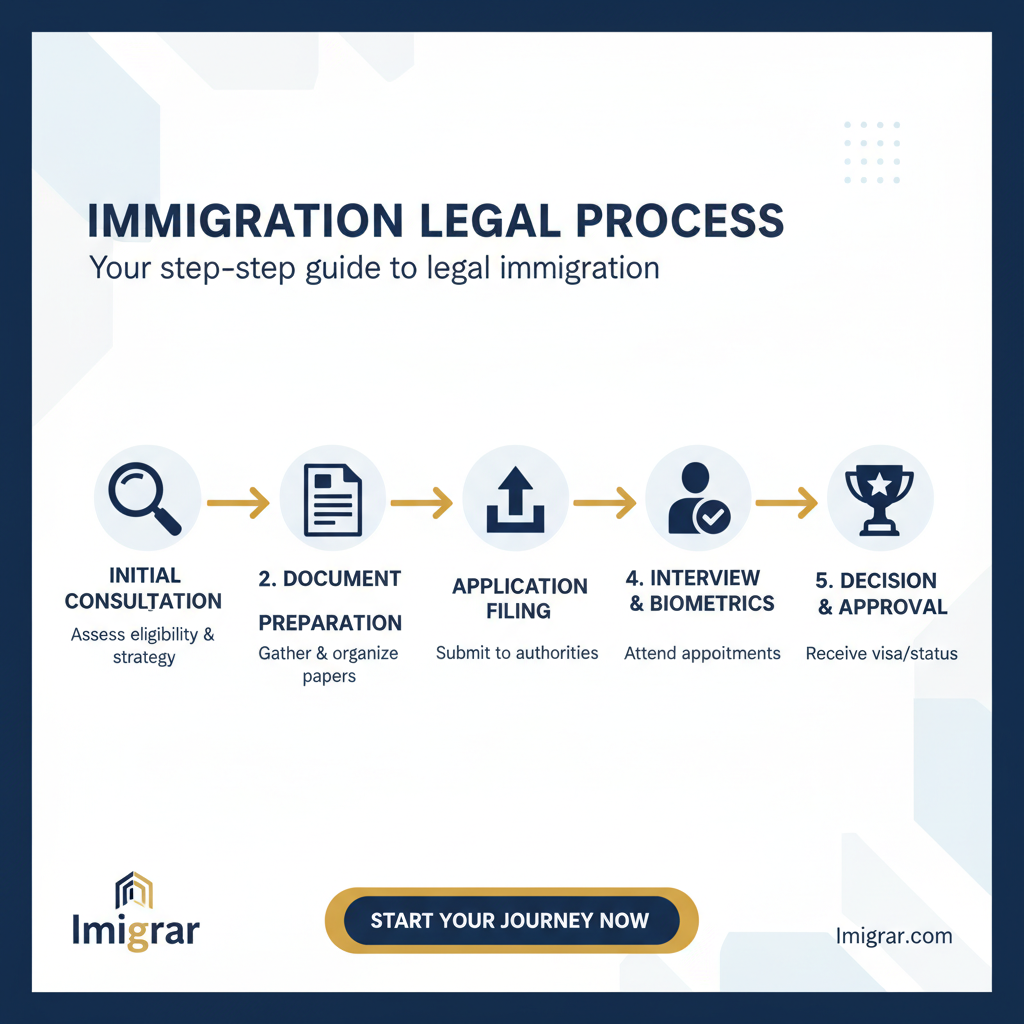
1) Confirm your child's birth in the U.S.
A birth certificate issued by the hospital or state vital records office is the first proof of birthplace.
- Obtain the official birth certificate from the Florida Department of Health.
- Ensure the document includes the place and date of birth.
Verification of birthplace is critical as it serves as the foundational document for all future citizenship-related processes. Parents are encouraged to keep multiple copies and ensure all information is accurate to avoid future complications.
2) Apply for a Certificate of Citizenship
File Form N-600 with USCIS to get an official certificate proving your child’s citizenship.
- Gather your child’s birth certificate and parents’ identification.
- Complete the form accurately and pay the required fee.
Applying for the Certificate of Citizenship formalizes your child's status, providing tangible proof of their rights as a U.S. citizen. Completing the N-600 accurately and submitting it promptly ensures smoother processing and minimizes delays.
3) Prepare supporting documents
Include proof of parents’ legal status (if applicable), marriage certificates, and any prior immigration documents.
Organizing and preparing all necessary documents in advance is crucial. This step often involves significant administrative effort, but careful preparation reduces the risk of errors that could prolong processing times.
4) Submit your application
Mail the completed form and documents to the USCIS address listed on the instructions.
Submission marks the beginning of the official review process. Applicants should use tracking services when mailing documents to ensure they are delivered securely and on time.
5) Attend biometric appointment
USCIS may require fingerprinting or an interview to verify information.
Biometric appointments are standard procedure for identity verification. Attending promptly and with all required documents enhances the efficiency and accuracy of the review process.
6) Receive decision and certificate
Processing times vary, but you will receive a decision by mail. If approved, you will get the Certificate of Citizenship.
Once received, the Certificate of Citizenship confirms your child's legal status. Keep this document safe and accessible, as it will be needed for various legal, educational, and travel purposes.
7) Use your certificate for legal purposes
This certificate can help with passports, school enrollment, and other official needs.
The Certificate of Citizenship serves as a key document in establishing identity and eligibility for a range of services and benefits. It simplifies processes like applying for a passport, enrolling in schools, and securing employment.
Practical Steps You Can Take Today
- Keep your child’s birth certificate in a safe place.
- Start gathering documents early, including parents’ IDs and immigration records.
- Check USCIS processing times regularly at USCIS Processing Times.
- Consult with an immigration lawyer if you have questions about eligibility or documentation.
- Be cautious about executive orders or policy changes affecting birthright citizenship.
- Stay informed about local USCIS office updates in Orlando.
Proactive planning and documentation management are essential for navigating the complexities of immigration law. By staying informed and prepared, families can mitigate potential disruptions and ensure smoother interactions with immigration authorities.
Engaging with legal experts and advocacy groups provides additional support and guidance, enabling individuals to make informed decisions and safeguard their rights effectively.
Don't navigate immigration alone. Se Habla Español. Contact Imigrar for guidance in Orlando and Florida.
How Imigrar Helps Immigrants in Orlando
Imigrar has extensive experience assisting immigrants throughout Florida, including Orlando and the I-4 corridor. Our knowledgeable team guides families through complex immigration laws, including birthright citizenship issues.
We offer free consultations to evaluate your case and provide clear advice. Our staff speaks English and Spanish (Se Habla Español) to serve diverse communities.
Whether you are applying for citizenship documentation or facing legal challenges, Imigrar is committed to helping you Keep Families Together.
Our services encompass a wide range of immigration needs, from visa applications to citizenship verification. Imigrar's expertise and personalized approach ensure that clients receive the support and information necessary to navigate complex legal landscapes confidently.
By focusing on client empowerment through education and advocacy, Imigrar plays a crucial role in demystifying immigration processes and promoting informed decision-making for individuals and families across Florida.
Frequently Asked Questions
Q: What did the Supreme Court rule on birthright citizenship?
A: As of 2026, the Supreme Court is hearing arguments on whether the president can limit birthright citizenship guaranteed by the 14th Amendment. The final ruling is pending. Until then, birthright citizenship remains protected by existing law. This means individuals born in the U.S. continue to be recognized as citizens, ensuring their access to rights and services remains uninterrupted.
Q: Did the US appeals court declare Trump's birthright citizenship order unconstitutional?
A: Yes, several appeals courts have ruled that executive orders attempting to restrict birthright citizenship violate the Constitution. These decisions are part of the ongoing legal debate. The rulings reinforce the constitutional protection of birthright citizenship, highlighting the judiciary's role in upholding foundational legal principles against executive overreach.
Q: Does the 14th Amendment guarantee birthright citizenship?
A: Yes, the 14th Amendment clearly states that anyone born in the U.S. is a citizen, regardless of parents’ status. This has been longstanding constitutional law. The Amendment's interpretation has been a cornerstone of American citizenship policy, ensuring inclusivity and equal recognition for all born within U.S. borders.
Q: How long does it take to get a Certificate of Citizenship?
A: Processing times vary but typically range from 6 to 12 months. Check current times at the USCIS Processing Times page. Delays can occur due to application volume or required additional information, so timely and accurate submissions are crucial.
Q: What documents are required to apply for citizenship proof?
A: You will need the child’s birth certificate, parents’ identification, proof of legal status if available, and completed Form N-600. Additional documents may be requested. Preparation and thoroughness in documentation ensure a smoother application process and reduce the likelihood of processing delays.
Q: What happens if my application is denied?
A: You can appeal or reapply depending on the denial reason. Consulting an immigration attorney like Imigrar can help you understand your options. Legal guidance provides clarity and direction, enabling you to address application issues effectively and explore alternative pathways to citizenship.
Common Mistakes (and How to Avoid Them)
Mistake #1: Incomplete or incorrect application forms
Filing forms like Form N-600 with missing information can delay or jeopardize your case. Always double-check details before submission.
Errors often stem from oversight or misunderstanding of requirements. Seeking professional advice or using checklists can help ensure all necessary information is included and accurate, reducing the risk of rejections or delays.
Mistake #2: Not providing all required supporting documents
Missing birth certificates, IDs, or proof of status causes processing delays. Prepare and organize documents carefully.
Document organization is key. Maintaining a detailed checklist and verifying each item's inclusion can prevent oversight and streamline the application process, leading to quicker processing times.
Mistake #3: Ignoring changes in immigration policies
Executive orders or court decisions may affect filing eligibility or procedures. Stay updated and seek professional advice.
Staying informed about policy changes is crucial for timely and compliant submissions. Regularly reviewing updates from official sources and consulting with legal experts ensures that your application aligns with current regulations and standards.
Need Help? Our Orlando immigration team is ready to assist. Call +1 786-791-3106 for a free consultation, or message us online. Se Habla Español.
Orlando & Florida Specific Information
If your case is in Orlando, you will likely engage with the Orlando USCIS Field Office. Florida follows federal laws for birthright citizenship without additional state restrictions. For residents of Central Florida, including Orange County and the I-4 corridor, it is important to maintain documentation and understand local office procedures.
The Orlando USCIS Field Office is equipped to handle a diverse array of cases, reflecting the area's multicultural population. Understanding local procedures and maintaining communication with USCIS staff can facilitate smoother processing and efficient resolution of any issues that arise.
Community resources in Orlando, including nonprofit organizations and legal aid services, provide additional support and information for immigrants navigating the complexities of citizenship documentation and related legal matters.
Take Action Today
If you have questions or need help with birthright citizenship documentation or other immigration matters, contact Imigrar. Our team in Orlando provides compassionate, expert guidance to help you Keep Families Together.
Call us at +1 786-791-3106 or reach us online at https://www.imigrar.com/contact. Se Habla Español.
```Related Topics
Need Legal Assistance?
Our experienced immigration attorneys are here to help with your case. Contact Imigrar today for a free consultation and let us guide you through the legal process with confidence.
📍 Orlando, Florida • Serving clients nationwide
📧 info@imigrar.com