
National TPS Alliance v Noem Case Explained [2026 Update]
Learn about National TPS Alliance v Noem and its impact on immigration. Stay informed with Imigrar in Orlando. Call +1 786-791-3106 for help today.

The reporting that sparked this guide
For a detailed perspective on immigration enforcement and airport security concerns, see Think Immigration: When Convenience Becomes Compromise: Why ICE Does Not Belong in Airport Security - AILA (News Source).
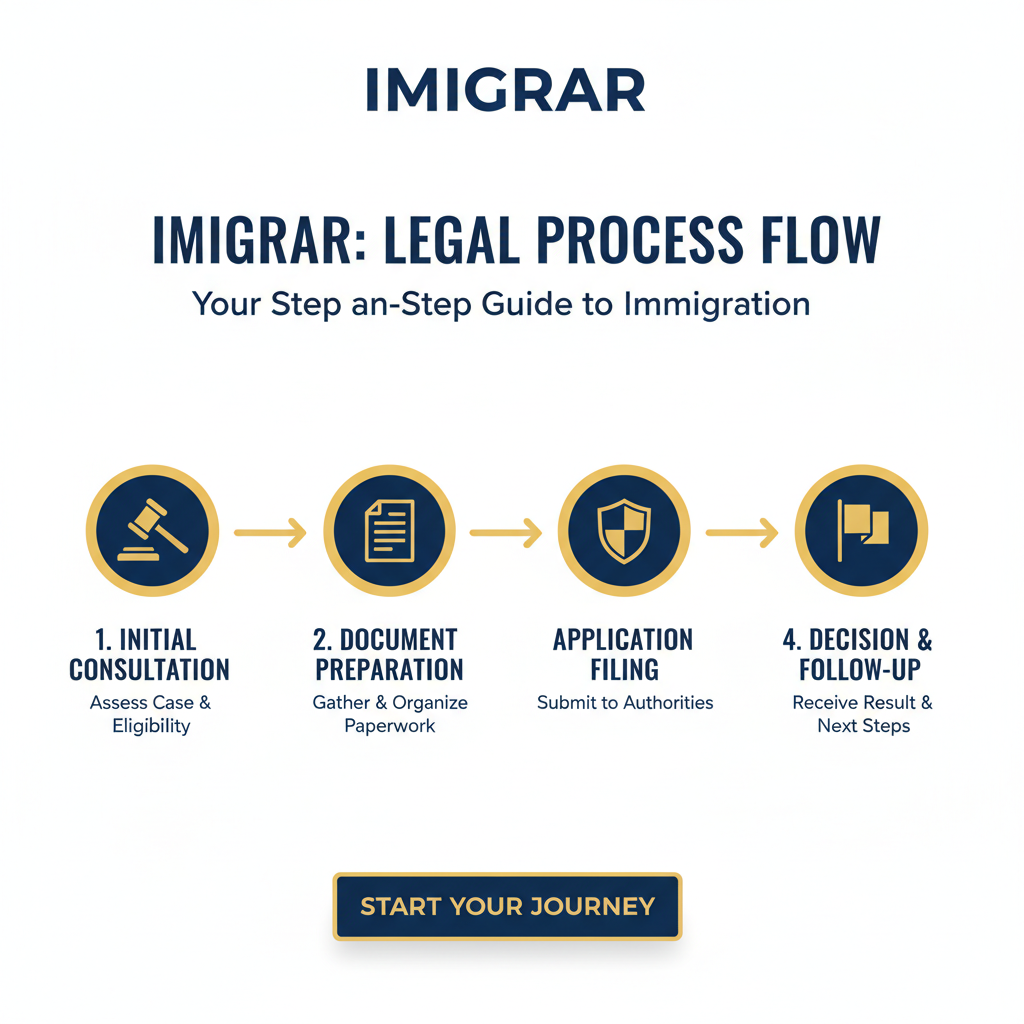
Need Help? Our Orlando immigration team is ready to assist. Call +1 786-791-3106 for a free consultation, or message us online. Se Habla Español.
What This News Means for Immigrants in Orlando and Across Florida
Why this news is showing up now
The National TPS Alliance v Noem case is gaining attention in 2026 because it challenges recent decisions affecting Temporary Protected Status (TPS) recipients. This lawsuit highlights the ongoing legal battles over TPS designations and protections for immigrants from countries experiencing crises. Understanding this case is crucial for immigrants in Orlando and throughout Florida who rely on TPS to live and work legally.
Recent shifts in immigration policies have caused uncertainty among TPS holders, prompting many to seek legal clarifications. The timing of this case correlates with broader discussions on immigration reforms at the federal level, making it a focal point for policymakers and advocacy groups. The outcome could set a precedent for how similar cases are handled in the future, influencing not just current TPS holders but also potential future applicants.
Furthermore, the increased media coverage surrounding the case has brought more public attention to the challenges faced by TPS recipients. This visibility aims to foster a more informed public discourse on immigration issues, urging community leaders and stakeholders to advocate for fair and compassionate policy solutions. The case serves as a reminder of the complexities within immigration law and the need for ongoing vigilance and advocacy.
How it can affect Florida residents
Florida has a significant number of TPS holders. The outcome of National TPS Alliance v Noem could impact TPS validity periods, renewal processes, and access to benefits. Changes might affect employment authorization and risk of removal for TPS recipients. Staying informed helps you prepare and seek legal support timely.
For many Floridians under TPS, their ability to work and provide for their families hinges on the outcome of this case. Employers also face potential disruptions, highlighting the broader economic impact of legal decisions related to TPS. The hospitality and agriculture sectors, heavily reliant on immigrant labor, are particularly vulnerable to changes in TPS policy, underscoring the interconnectedness of immigration law and local economies.
Moreover, any changes to TPS could influence community dynamics, affecting everything from school enrollments to healthcare access. As Florida is home to a diverse immigrant population, the ramifications of the case extend beyond legal status to encompass social and cultural dimensions. Community organizations and local governments are mobilizing resources to assist affected individuals, emphasizing the importance of a coordinated response to potential policy shifts.
What National TPS Alliance v Noem Is (and Why It Matters)
A plain-English definition
The National TPS Alliance v Noem case is a federal lawsuit brought by immigrant advocacy groups against South Dakota Governor Kristi Noem and others. It centers on the Trump and Biden administration policies about terminating or extending TPS for certain countries. TPS is a temporary immigration status granted to people from countries affected by war, natural disasters, or other emergencies, allowing them to stay and work in the U.S.
This case addresses fundamental questions about the scope of executive power in immigration policy. It examines whether the executive branch has the authority to unilaterally terminate or extend TPS designations without considering the humanitarian implications. The lawsuit argues that abrupt policy shifts can destabilize lives and communities, urging the courts to recognize the human element in legal interpretations.
Additionally, the case challenges the balance between federal and state powers in immigration enforcement. As states like South Dakota assert their positions on immigration matters, the lawsuit seeks to clarify the boundaries of state involvement in federal immigration policies. The outcome could redefine the roles of state and federal governments in managing immigration issues, influencing future legislative and legal strategies.
Key terms you need to know
- Temporary Protected Status (TPS): A humanitarian program that protects eligible immigrants from deportation.
- Termination: Ending TPS protections for a country’s nationals.
- Extension: Continuing TPS protections beyond the original deadline.
- Litigation: Legal action taken to challenge or defend government decisions.
- Adjustment of Status: Process to change from a nonimmigrant or temporary status to lawful permanent resident.
Understanding these terms is crucial for anyone navigating the complexities of immigration law. Each term represents a stage or aspect of the legal process that can significantly impact the lives of TPS recipients. For instance, "Termination" is not merely a legal term but a potential life-altering event for individuals who have built their lives in the U.S. under TPS protections.
Similarly, "Adjustment of Status" offers a pathway to permanent residence, but it involves navigating intricate legal criteria and processes. For many, this represents a long-term goal requiring strategic legal planning and support. Familiarity with these terms empowers individuals to engage more effectively with the legal system, helping them make informed decisions about their immigration status.
Current Immigration Law: The Foundation
Federal requirements
TPS is authorized under the Immigration and Nationality Act (INA), specifically 8 U.S.C. § 1254a. The Secretary of the Department of Homeland Security (DHS) determines which countries qualify based on conditions such as armed conflict or environmental disasters. To apply for TPS, individuals must meet eligibility requirements, including continuous physical presence and admissibility.
The federal framework for TPS reflects a balance between humanitarian concerns and national security interests. The criteria for country designation are designed to ensure that TPS is granted only in genuine emergencies, preserving the integrity of the immigration system. However, these decisions are often subject to political and legal challenges, as seen in ongoing litigation.
Moreover, the application process involves rigorous documentation and adherence to procedural norms. Applicants must demonstrate their eligibility through comprehensive evidence, highlighting the importance of legal guidance in preparing successful applications. Understanding federal requirements is essential for navigating the TPS process, ensuring compliance and maximizing the chances of approval.
Florida-specific considerations
Florida hosts many TPS recipients from countries like Haiti, El Salvador, Honduras, and Venezuela. The Orlando USCIS Field Office processes TPS-related applications for Central Florida residents. Local resources and legal support are important for timely renewals and status maintenance.
Important: Applications for TPS use Form I-821, and for employment authorization, Form I-765. For more details, visit the USCIS official website.
Florida's diverse immigrant community necessitates tailored legal and community support systems. The state's unique demographic composition requires specialized attention to the specific needs and challenges faced by TPS holders. Local advocacy groups and legal clinics play a crucial role in providing assistance, facilitating access to resources, and advocating for immigrant rights at various levels of government.
Moreover, Florida's geographical proximity to the Caribbean and Latin America underscores its strategic importance in immigration discussions. The state's policies and practices can serve as a model for other regions grappling with similar challenges, highlighting the need for innovative and inclusive approaches to immigration law and policy.
How to Apply for or Renew TPS: A Complete Step-by-Step Guide
1) Confirm Your Eligibility
- Check if your country currently has TPS designation.
- Ensure continuous physical presence and residence since the required dates.
- Review any disqualifying criminal records.
Eligibility confirmation is the foundational step in the TPS application process. Accurate verification of your country’s designation status and your residency dates is crucial to avoid unnecessary delays or denials. Utilize official resources and seek professional legal advice to ensure compliance with all requirements, mitigating potential risks or misunderstandings during the application process.
2) Gather Required Documents
- Proof of identity (passport, birth certificate).
- Evidence of continuous residence (lease agreements, utility bills).
- Proof of nationality.
- Previous TPS approval notices, if renewing.
Document preparation is a critical component of the TPS application. Collecting comprehensive and verifiable documentation ensures a smoother application process. Pay close attention to the authenticity and validity of each document, and consider organizing them in chronological order for clarity. Proper documentation not only supports your application but also demonstrates your commitment to complying with immigration laws.
3) Complete Application Forms
- Fill out Form I-821 for TPS registration or renewal.
- Complete Form I-765 if applying for or renewing work authorization.
Accurate form completion is vital in the TPS process. Ensure all sections are thoroughly filled out, double-checking for errors or omissions that could lead to rejection or delays. Consider consulting with immigration professionals to review your forms, ensuring accuracy and compliance with USCIS standards.
4) Pay Filing Fees or Request Fee Waiver
- TPS application fees vary; check current fees on USCIS site.
- Submit a fee waiver request if eligible.
Understanding and managing application fees is a significant aspect of the TPS process. Fee waivers provide a critical financial relief option for eligible applicants, reducing barriers to access. Ensure you have the latest fee information and consider the implications of fee waivers on your application timeline and processing.
5) Submit Your Application Package
- Mail all forms, documents, and fees to the correct USCIS address.
- Use certified mail or courier for tracking.
Package submission is a pivotal step in the TPS application. Ensure all components of your application are included and correctly addressed. Utilizing certified mail or courier services provides tracking capabilities, offering peace of mind and a reliable method to confirm receipt by USCIS.
6) Attend Biometrics Appointment
- USCIS will schedule a biometrics (fingerprints and photo) appointment.
- Bring appointment notice and identification.
Biometrics appointments are essential for identity verification in the TPS process. Arrive prepared and on time, bringing all necessary documents to facilitate a smooth appointment. Understanding the purpose and process of biometrics helps alleviate anxiety and ensures a successful completion of this requirement.
7) Wait for USCIS Decision
- Check processing times at USCIS Processing Times.
- Respond promptly to any Requests for Evidence (RFE).
The waiting period is often the most challenging part of the TPS application journey. Stay informed about processing times and be proactive in addressing any additional information requests from USCIS. Maintaining communication with your legal representative can provide support and guidance during this period.
Practical Steps You Can Take Today
- Keep copies of all your immigration documents safe and organized.
- Mark renewal deadlines on your calendar, especially the 180 days before TPS expiration.
- Consult with a qualified immigration attorney early if your status is at risk.
- Prepare your financial documents to support fee waiver requests if needed.
- Stay informed about TPS extensions or terminations announced by DHS.
- Maintain updated contact information with USCIS.
Proactive preparation is key to navigating the complexities of TPS. By organizing documents and setting reminders for critical dates, you can significantly reduce the stress and potential for errors in the application process. Legal consultation should be seen as an investment in your future, providing clarity and direction amidst changing immigration landscapes.
Remaining informed about policy updates can empower you to make timely and informed decisions, while ensuring your information with USCIS is current helps prevent unnecessary complications. As immigration law continues to evolve, these practical steps help safeguard your status and facilitate a more secure and stable living situation in the U.S.
Need Help? Our Orlando immigration team is ready to assist. Call +1 786-791-3106 for a free consultation, or message us online. Se Habla Español.
How Imigrar Helps Immigrants in Orlando
At Imigrar, our experienced immigration attorneys understand the challenges TPS holders face, especially in Central Florida. We provide personalized legal advice tailored to your unique situation. Whether you need help applying for TPS, renewing your status, or preparing for changes related to National TPS Alliance v Noem, we are here to guide you.
We offer a free initial consultation to discuss your options clearly and compassionately. Serving Orlando and clients nationwide, we are committed to our tagline: Keep Families Together. Se Habla Español to better serve our community.
Imigrar's commitment extends beyond legal services to encompass community engagement and advocacy. We actively participate in local initiatives aimed at raising awareness and building supportive networks for immigrants. By working closely with community organizations, we strive to create a more inclusive and understanding environment for all immigrants in Central Florida.
Our holistic approach ensures that clients not only receive legal expertise but also access to a broader support system. This integrated model of service reflects our dedication to empowering immigrants and fostering resilience in the face of legal and social challenges.
Frequently Asked Questions
Q: Who is eligible for Temporary Protected Status?
A: Eligibility depends on being a national of a designated TPS country, having continuous residence and physical presence in the U.S. for specific periods, and passing background checks. Individuals must also meet admissibility criteria and not have any disqualifying criminal convictions. It's crucial to verify current TPS designations and specific eligibility requirements on the USCIS official website to ensure accurate application submission.
Q: Does TPS status lead to permanent residence?
A: TPS itself does not grant permanent residence but may allow adjustment of status if eligible through other pathways, such as family sponsorship or employment-based visas. Eligibility for adjustment of status depends on meeting specific criteria and navigating additional legal processes. Consulting with an immigration attorney can provide insights into potential pathways to permanent residency while maintaining TPS protections.
Q: How long does TPS processing take?
A: Processing times vary but typically range from 6 to 12 months, depending on USCIS workload and individual case circumstances. Delays can occur due to incomplete applications or high application volumes. Regularly checking USCIS processing times at USCIS Processing Times helps applicants manage expectations and plan accordingly during the waiting period.
Q: What documents do I need to renew TPS?
A: You need your original TPS approval notice, identity documents (such as a passport or birth certificate), proof of residence (like lease agreements or utility bills), and a completed Form I-821 and Form I-765 if requesting work authorization renewal. Ensuring all documents are current and accurately reflect your status is essential for a successful renewal process.
Q: Are there costs associated with TPS applications?
A: Yes, fees apply for filing forms and biometric services. However, fee waivers are available if you qualify based on financial hardship or other criteria. Understanding the fee structure and eligibility for waivers can help manage the financial aspects of the application process, allowing eligible applicants to focus on submitting a comprehensive package.
Q: What happens if my TPS application is denied?
A: Denial may lead to loss of protection from removal and could trigger deportation proceedings. It's crucial to consult an immigration attorney immediately to explore options such as reapplying with additional evidence, appealing the decision, or pursuing other immigration relief avenues. Prompt legal intervention can provide alternative solutions and mitigate potential consequences.
Common Mistakes (and How to Avoid Them)
Mistake #1: Missing Renewal Deadlines
Failing to renew TPS within the required period can lead to loss of status. Set reminders at least 180 days before expiration. Utilize digital calendars or apps to receive timely notifications, ensuring you never miss a critical renewal deadline that could jeopardize your immigration status and associated benefits.
Mistake #2: Incomplete Application Packages
Submitting forms without all required documents or signatures causes delays. Review checklists carefully before mailing. Consider having a trusted advisor or legal professional review your application to ensure completeness and accuracy, reducing the risk of processing delays or rejections that can prolong the application timeline.
Mistake #3: Ignoring Requests for Evidence (RFE)
Not responding promptly to USCIS requests can result in denial. Track your case and respond within deadlines. Develop a system for monitoring correspondence from USCIS, and prioritize immediate attention to any RFEs to maintain your application's viability and prevent unnecessary complications or status disruptions.
Don't navigate immigration alone. Se Habla Español. Contact Imigrar today for support. Call +1 786-791-3106 or message us online.
Location-Specific Information for Orlando and Central Florida
If your case is in Orlando, the local USCIS Field Office handles biometrics and interviews for TPS applications. The Orange County community is diverse with many TPS holders from various countries. The I-4 corridor residents should prepare early for renewals and stay informed on changes in TPS policy.
Imigrar serves clients across Central Florida and nationwide, ensuring you receive timely, accurate immigration legal assistance. We understand the unique needs of the Orlando community and offer services designed to address the specific challenges faced by TPS holders in the region. Our local expertise and commitment to client success set us apart as a trusted partner in your immigration journey.
Our team actively engages with local organizations and community leaders to provide comprehensive support, from legal advice to advocacy efforts. This collaborative approach ensures that our clients benefit from a well-rounded support network, empowering them to navigate the complexities of immigration law with confidence and clarity.

Take the Next Step with Imigrar
Keep Families Together by staying informed and prepared. Our Orlando-based immigration attorneys are here for you. Call +1 786-791-3106 or visit https://www.imigrar.com/contact today. Se Habla Español.
```Related Topics
Need Legal Assistance?
Our experienced immigration attorneys are here to help with your case. Contact Imigrar today for a free consultation and let us guide you through the legal process with confidence.
📍 Orlando, Florida • Serving clients nationwide
📧 info@imigrar.com