
Internal Alert Legal Update 2026: What Immigrants in Orlando Must Know
Stay informed about the latest internal alert legal update affecting immigration. Call +1 786-791-3106 for expert help from Orlando’s Imigrar. Se Habla Español.

🚨 Internal Alert – Legal Update
The reporting that sparked this guide: Think Immigration: When Convenience Becomes Compromise: Why ICE Does Not Belong in Airport Security - AILA (News Source)
What This News Means for Immigrants in Orlando and Across Florida
Why this news is showing up now
This internal alert reflects recent developments in immigration enforcement policies, especially concerning airport security and ICE involvement. It highlights growing concerns about convenience potentially compromising immigrant rights and safety.
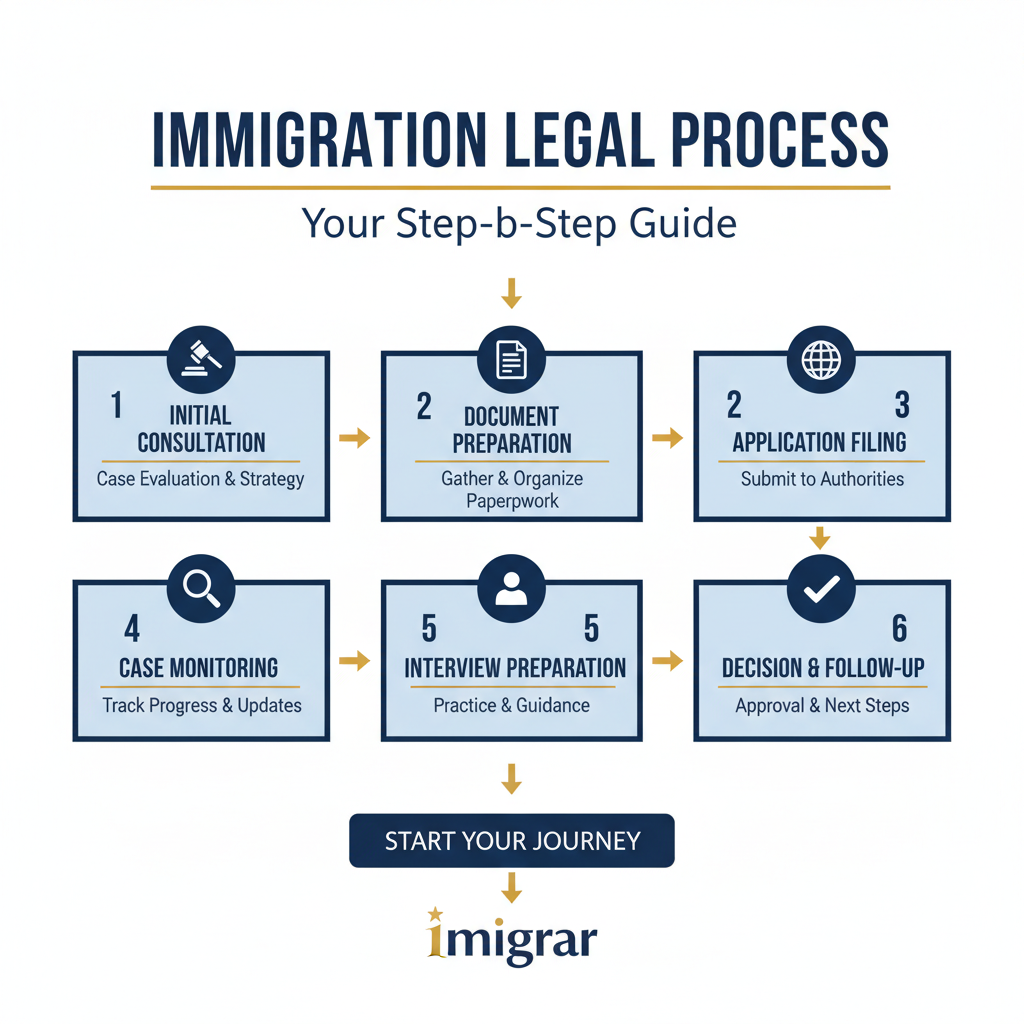
Recent trends have shown an increase in the intersection of security protocols and immigration enforcement, particularly at airports. This news is surfacing now due to heightened legislative focus on immigration and security. Lawmakers and immigration advocates are closely monitoring these developments, ensuring that immigrant rights are not overshadowed by security measures.
Moreover, the socio-political climate has intensified scrutiny on how immigration laws are enforced, especially in states with large immigrant populations like Florida. This push for transparency and accountability is driving such updates to the forefront, aiming to safeguard immigrant communities from potential overreach or misapplication of the law.
How it can affect Florida residents
For immigrants in Orlando and greater Florida, these changes could impact travel security procedures, immigration case processing, and interactions with immigration officials. Understanding these updates helps residents prepare and protect their rights.
Florida residents, especially those frequently traveling or involved in immigration proceedings, might experience delays or more stringent security checks. This can lead to increased anxiety and stress for families, particularly if travel is necessary for work or family emergencies. Legal advisors recommend staying informed and having legal documentation readily accessible to minimize complications.
In practical terms, this means that individuals may need to adjust their travel plans, allow extra time at airports, and prepare for potential interactions with ICE officials. Community workshops and seminars led by immigration attorneys can provide residents with the latest information and coping strategies to handle these changes effectively.
Need Help? Our Orlando immigration team is ready to assist. Call +1 786-791-3106 for a free consultation, or message us online. Se Habla Español.
What Internal Alert Legal Update Is (and Why It Matters)
A plain-English definition
An internal alert in immigration law is a notification issued within government agencies that signals changes or updates to enforcement or procedural practices. It often guides officers and officials on how to handle specific cases or situations, such as heightened security or altered processing protocols.
These alerts are crucial because they can directly influence how immigration laws are applied on a day-to-day basis. They serve as an internal communication to ensure consistency and compliance with federal immigration objectives, often reflecting broader policy shifts or legislative changes.
Understanding these alerts helps immigrants and their advocates anticipate potential changes in their legal proceedings and prepare accordingly. By staying informed, individuals can better protect their rights and ensure that their interactions with immigration officials are as smooth as possible.
Key terms you need to know
- ICE (Immigration and Customs Enforcement): Federal agency responsible for immigration enforcement within the United States.
- Internal Alert: A confidential or internal communication that signals new priorities or changes in enforcement.
- Adjustment of Status: The process of applying to become a lawful permanent resident without leaving the U.S.
- Priority Date: Your place in line for certain immigration benefits based on filing date.
- Form I-130: Petition for Alien Relative, a key form for family-based immigration.
Familiarizing oneself with these terms is essential for understanding the implications of internal alerts. Legal professionals often refer to these terms when advising clients on their rights and options. By grasping these concepts, immigrants can more effectively communicate with legal advisors and navigate their immigration journey.
In addition to these terms, staying updated on any new forms or processes introduced by USCIS or ICE is equally important. This ensures that all submissions are accurate and in compliance with the latest guidelines, thus reducing the risk of application errors or delays.
Current Immigration Law: The Foundation
Understanding the legal framework helps immigrants know their rights and obligations during times of internal alerts.
Federal requirements
Federal immigration law is governed primarily by the Immigration and Nationality Act (INA), enforced by agencies like USCIS and ICE. Laws dictate enforcement priorities, eligibility for benefits, and procedural protections.
The INA outlines various statuses, visas, and processes that immigrants must navigate, including family reunification, employment-based immigration, and asylum. Federal requirements are consistent across states, ensuring a uniform approach to immigration, but can be subject to changes through policy shifts or new legislation.
It's crucial for immigrants to keep abreast of any federal changes that may impact their specific cases. This includes understanding how new policies might affect processing times, eligibility criteria, and enforcement practices. Legal consultations can provide personalized insights into how these requirements apply to individual circumstances.
Florida-specific considerations
Florida, including Orlando, follows federal law but has local policies impacting immigrant access to services and protection. The Orlando USCIS Field Office handles many adjustment and naturalization cases for residents along the I-4 corridor and Orange County.
In Florida, community support networks and legal aid organizations play a crucial role in assisting immigrants. These groups often collaborate with local authorities to ensure that immigrants are aware of their rights and have access to necessary resources. Understanding Florida's specific policies, such as those related to driver's licenses and healthcare access, can significantly affect the immigrant experience.
For example, local ordinances might affect how certain federal policies are implemented, influencing day-to-day interactions with law enforcement and public services. It's beneficial for immigrants to engage with local advocacy groups that provide updates and support, ensuring they remain informed about both federal and state-specific changes.
Important: Applicants should use the correct forms such as Form I-130 for petitions and Form I-485 for adjustment of status, available via the USCIS Forms page.
For official updates and processing times, visit the USCIS official website and USCIS Processing Times.
How to Navigate Internal Alerts: A Complete Step-by-Step Guide
1) Stay Informed About Current Alerts
Regularly check official sources like USCIS, U.S. Department of State, and trusted legal advisories for the latest alerts affecting immigration enforcement.
Subscribing to newsletters and alerts from these sources can provide timely updates directly to your email. This proactive approach ensures that you are never caught off guard by new developments, allowing you to take necessary actions promptly.
Engaging with community workshops and online forums can also be beneficial. These platforms offer a space for immigrants to share experiences and tips, often featuring insights from legal experts who can demystify complex legal changes and their implications.
2) Gather Your Immigration Documents
- Passport and any travel documents
- Immigration forms filed (e.g., Form I-130, Form I-485)
- Receipts and notices from USCIS or EOIR
- Proof of residence in Florida (e.g., utility bills, lease)
- Any legal correspondence related to your case
Having these documents organized and easily accessible is critical, especially during heightened alert periods. Consider creating both physical and digital copies of important documents to ensure you have backups in case of emergencies.
Legal experts advise regularly updating your document checklist to include any new documentation that might become relevant due to policy changes. This preparedness can significantly reduce stress and streamline interactions with immigration officials.
3) Consult with a Qualified Immigration Attorney
Legal experts like Imigrar can provide guidance tailored to your circumstances and help you understand how internal alerts might impact your case.
Consulting an attorney can offer peace of mind, as they can help clarify complex legal jargon and provide strategic advice. Attorneys can also advocate on your behalf, ensuring that your rights are protected throughout the immigration process.
Regular consultations allow you to stay updated on the status of your case and receive professional advice on any necessary actions. This partnership is invaluable, particularly during periods of legal uncertainty or heightened enforcement.
4) Prepare for Possible Security or Enforcement Changes
If you travel or attend immigration appointments, be aware of new protocols that may involve ICE presence or additional questioning. Keep your documents organized and accessible.
Travelers should allow extra time for security screenings and be prepared for potential questioning. Legal advisors often recommend carrying a list of emergency contacts, including your attorney, in case of unexpected developments during travel.
Understanding the latest security protocols and being prepared for possible interactions with officials can help mitigate stress and ensure smoother experiences at checkpoints or during appointments.
5) Respond Promptly to Official Requests
Internal alerts may cause agencies to issue new information requests or notices. Timely responses prevent delays or denials.
Missing deadlines or failing to provide requested information can have serious consequences for your case. It's crucial to track all correspondence and ensure that responses are submitted promptly and accurately.
Many legal professionals offer services to assist with managing these communications, ensuring that all submissions are in compliance with current requirements and deadlines.
6) Keep Records of All Interactions
Document dates, names, and content of any interactions with immigration or enforcement officials.
Maintaining detailed records can be instrumental if any discrepancies or issues arise. These records serve as evidence of compliance and can support your case if you need to challenge any decisions or actions taken by immigration authorities.
Consider using digital tools or apps designed for document tracking to keep your records organized and easily accessible. This can simplify the process of retrieving information when needed.
7) Use Official Channels to Report Issues
If you experience wrongful treatment or confusion due to internal alerts, contact qualified legal counsel immediately.
Reporting issues through official channels ensures that they are documented and addressed appropriately. Legal counsel can guide you on the best course of action and help facilitate communication with relevant authorities.
It's important to maintain a calm and factual approach when reporting issues, focusing on the details of the incident and providing any supporting evidence available.
Don't navigate immigration alone. Se Habla Español. Call +1 786-791-3106 or schedule a free consultation.
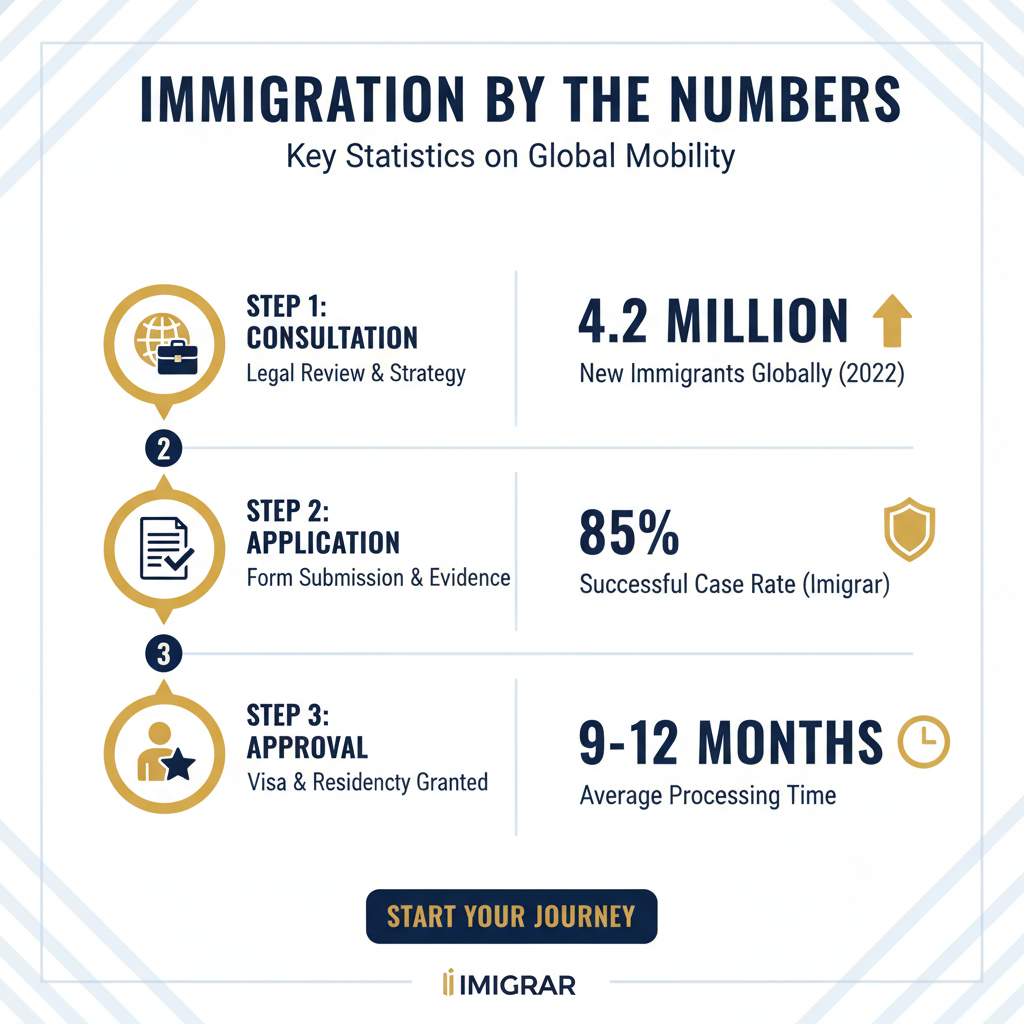
Practical Steps You Can Take Today
- Verify your immigration status documents are current and accessible.
- Sign up for USCIS and Department of Homeland Security email alerts.
- Review your case status regularly at the USCIS Processing Times site.
- Prepare a list of emergency contacts including your immigration attorney.
- Stay aware of deadlines, especially the 90-day window for certain filings after receiving notices.
- Keep original documents and copies separated but available.
Reminder: Timelines can shift during heightened alert statuses, so act early.
These proactive steps can significantly reduce stress and enhance your preparedness for any potential changes. By keeping documents up-to-date and having a clear action plan, you can navigate complexities with greater confidence.
Engaging with your community and attending informational sessions can also provide additional support and resources, ensuring that you remain informed and empowered throughout your immigration journey.
How Imigrar Helps Immigrants in Orlando
At Imigrar, based in Orlando, Florida, we specialize exclusively in immigration law. Our team understands the evolving landscape, especially during internal alerts and legal updates.
We provide compassionate, knowledgeable support to help you navigate complex situations. Our services include family petitions, adjustment of status assistance, deportation defense, and more.
Se Habla Español and we offer free consultations to discuss your case confidentially.
Imigrar's commitment to serving the immigrant community is reflected in our personalized approach to each case. We focus on building strong client relationships and providing tailored solutions that address individual needs and concerns.
Our team stays abreast of the latest legal developments and continuously updates our strategies to ensure that our clients receive the most effective representation possible. We are dedicated to safeguarding the rights of immigrants and facilitating successful outcomes for our clients.
Frequently Asked Questions
Q: What is an internal alert in immigration context?
A: It is a notice within immigration agencies that signals changes in enforcement priorities or procedures. These alerts can affect how cases are processed or how officers interact with immigrants. Understanding these alerts is crucial as they can influence the pace and focus of immigration processes, potentially impacting case outcomes and interactions with officials.
Q: How does an internal alert affect my immigration status?
A: Alerts may lead to increased scrutiny or temporary changes in procedures but do not automatically change your status. However, staying informed and consulting an attorney is vital to protect your rights. These alerts could necessitate additional documentation or adjustments in legal strategy, emphasizing the importance of being proactive and informed.
Q: What documents should I have ready during heightened alert periods?
A: Keep your passport, immigration forms like Form I-130 or Form I-485, notices from USCIS or ICE, and proof of residence. Having these ready can help avoid delays or complications. It's also wise to have scanned copies available online for quick access, ensuring preparedness for any situation.
Q: How long does it take to process cases during an internal alert?
A: Processing times may be longer due to increased security checks or shifted agency priorities. Check the USCIS Processing Times regularly for updates. Staying updated helps manage expectations and allows for timely adjustments to travel or other plans.
Q: Are there additional costs associated with legal updates or alerts?
A: Usually, the government fees remain the same. However, legal assistance may incur costs based on complexity. Imigrar offers transparent fee structures and free consultations to discuss your options. It's important to consider these potential costs when planning your immigration strategy.
Q: What happens if my application is denied during a heightened alert?
A: Denials can sometimes increase during these periods. You have the right to appeal or seek review through the Executive Office for Immigration Review. Consult with an attorney immediately to explore your options. An attorney can guide you through the appeal process, ensuring that your case is represented effectively and efficiently.
Need Help? Our Orlando immigration team is ready to assist. Call +1 786-791-3106 for a free consultation, or message us online. Se Habla Español.
Common Mistakes (and How to Avoid Them)
Mistake #1: Ignoring official alerts and notices
Failing to read or respond to internal alerts or USCIS/ICE notices can result in missed deadlines or adverse outcomes. Always review and act promptly.
To avoid this mistake, establish a routine for checking and responding to all notices. This might involve setting reminders or allocating specific times each week to review any communications from immigration authorities.
Legal experts stress the importance of not only reading but understanding the content of these notices. If any aspect is confusing, reaching out to a legal advisor immediately can prevent misunderstandings and ensure compliance with any required actions.
Mistake #2: Traveling without proper documentation during heightened alerts
Travel during alert periods can trigger additional scrutiny. Ensure you carry all required documents and consult your attorney before international travel.
Before any planned travel, consult with your legal advisor to review your documentation and travel plans. This preemptive step can identify any potential issues and allow for necessary adjustments. It's also advisable to have a contingency plan in case of unexpected delays or questions during travel.
By being thoroughly prepared, you can minimize the risk of complications and ensure that your travels proceed smoothly and without incident.
Mistake #3: Relying on unofficial sources for legal advice
Immigration law is complex. Avoid misinformation by consulting qualified attorneys, such as Imigrar, to stay informed and protected.
The internet is filled with advice and anecdotes about immigration, but not all of it is accurate or applicable to your situation. Always verify information with trusted legal professionals who understand your unique circumstances and can provide reliable guidance.
Developing a trusted relationship with a legal advisor ensures that you have a knowledgeable resource to consult whenever questions or issues arise, providing peace of mind and clarity in navigating immigration processes.

Take the First Step. Keep Families Together.
If your case is in Orlando or anywhere in Florida, Imigrar is here to help you navigate the challenges of immigration law during internal alerts and legal updates. Contact us today for a free consultation.
Contact Imigrar Today | Phone: +1 786-791-3106 | Se Habla Español
```Related Topics
Need Legal Assistance?
Our experienced immigration attorneys are here to help with your case. Contact Imigrar today for a free consultation and let us guide you through the legal process with confidence.
📍 Orlando, Florida • Serving clients nationwide
📧 info@imigrar.com