
DACA Renewal Updates 2026: A Florida Dreamer's Comprehensive
Stay informed on DACA renewal in 2026. This comprehensive guide from Imigrar helps Dreamers in Orlando and Florida navigate the latest updates, requirements, and crucial steps to protect their status and employment authorization.
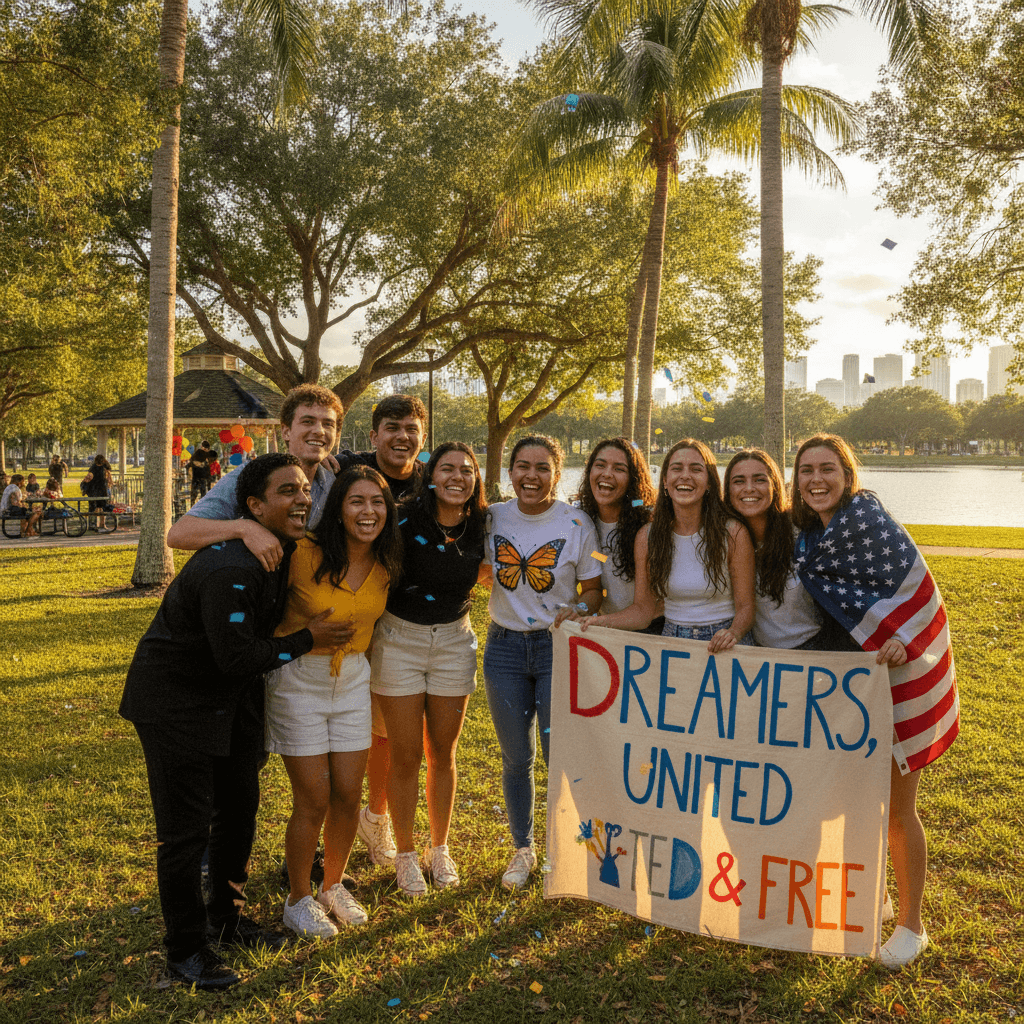
The landscape of U.S. immigration law is constantly shifting, and for the hundreds of thousands of individuals relying on the Deferred Action for Childhood Arrivals (DACA) program, staying informed is not just important—it’s critical. As of September 20, 2026, DACA continues to be a lifeline for many young immigrants, often referred to as Dreamers, providing protection from deportation and work authorization. While the program faces ongoing legal challenges regarding initial applications, the process for DACA renewals remains active and essential for beneficiaries to maintain their status.
At Imigrar, an immigration law firm based in Orlando, Florida, we understand the anxieties and uncertainties that come with these legal complexities. Our mission is to "Keep Families Together," and we are dedicated to providing clear, actionable guidance to immigrants and their families across Florida and nationwide. This comprehensive guide is designed to clarify the latest DACA program updates and provide a detailed roadmap for timely and successful renewals.
The reporting that sparked this guide:

The information and guidance in this article are inspired by ongoing reports and official updates from USCIS regarding the DACA program. For the latest official announcements and policy changes, we always recommend consulting the primary source:
DACA Program Updates and Renewal Information (USCIS)
What This News Means for Immigrants in Orlando and Across Florida
For DACA recipients in Florida, particularly those in bustling areas like Orlando and along the I-4 corridor, understanding the nuances of current immigration news is paramount. The program's future has been a subject of intense debate and legal battles for years, making regular updates from official sources like USCIS a critical component of maintaining one's status.
Why this news is showing up now
As of late 2026, DACA remains a program in flux, primarily due to ongoing litigation. A federal court order issued in October 2022 (stemming from the *Texas v. United States* case) declared the DACA program unlawful and continues to prevent USCIS from approving *initial* DACA requests. This means that individuals who have never before received DACA are generally unable to apply. However, and this is a crucial distinction, the court order allows USCIS to continue accepting and processing *renewal* requests for individuals who have previously been granted DACA.
This ongoing legal saga means that DACA is frequently in the news. Every court filing, every statement from the Department of Homeland Security (DHS) or USCIS, and every political discussion about immigration reform brings DACA back into the spotlight. For Dreamers, this constant news cycle can be a source of anxiety, but it also underscores the importance of staying informed and renewing your DACA status diligently to maintain the protections you currently hold. The current administration has expressed support for DACA recipients, but legislative solutions have yet to materialize, leaving the program's long-term future tied to judicial decisions and administrative actions.
How it can affect Florida residents
Florida is home to a significant population of DACA recipients, with thousands of Dreamers contributing to our economy and communities. For these individuals, the ability to renew DACA directly impacts their lives in profound ways:
- Employment Authorization: A valid Employment Authorization Document (EAD) is essential for DACA recipients to work legally in the U.S. Without it, individuals face job loss and economic hardship. Many DACA recipients in Central Florida contribute to vital sectors, including tourism, healthcare, and education.
- Protection from Deportation: DACA provides temporary relief from removal proceedings. Letting your DACA expire can place you at risk of deportation, disrupting families and lives.
- Driver's Licenses: In Florida, DACA recipients are eligible for driver's licenses, which are tied to the validity of their EAD. An expired DACA means an expired driver's license, impacting daily life, commuting to work, and family responsibilities, especially in a state where public transportation options can be limited outside major urban centers like Orlando.
- Educational Opportunities: While federal financial aid is generally unavailable, DACA recipients in Florida may qualify for in-state tuition at public colleges and universities, making higher education more accessible. Maintaining DACA is often a prerequisite for these opportunities.
The Orlando USCIS Field Office and the Application Support Center in Central Florida serve a large number of DACA recipients, making local updates and expert legal guidance particularly relevant for those in Orange County and surrounding areas. Imigrar is right here in Orlando, ready to assist our neighbors navigate these critical updates.
Need Help? The DACA renewal process can be complex, and staying updated is crucial. Our Orlando immigration team is ready to assist you in navigating the latest requirements and ensuring a smooth renewal. Call +1 786-791-3106 for a free consultation, or message us online. Se Habla Español.
What DACA Is (and Why It Matters)
To fully grasp the updates and renewal process, it's crucial to understand the foundation of the DACA program and its significance.
A plain-English definition
Deferred Action for Childhood Arrivals (DACA) is a discretionary immigration policy established in 2012 by the Obama administration. It allows certain undocumented young people who came to the United States as children to receive temporary protection from deportation (known as "deferred action") and to obtain a renewable two-year work permit. It is important to emphasize that DACA is *not* a pathway to U.S. citizenship or lawful permanent residency (a green card). Instead, it provides a temporary, renewable reprieve from removal and the ability to work legally.
The program was designed to address the unique situation of these young individuals, often called "Dreamers," who were brought to the U.S. by their parents at a young age, grew up in American communities, attended American schools, and often know no other home. DACA recognizes their contributions and allows them to live, work, and study without the immediate threat of deportation.
Key terms you need to know
Navigating immigration processes requires understanding specific terminology. Here are some key terms related to DACA:
- Deferred Action: This is a decision by the Department of Homeland Security (DHS) to postpone removal (deportation) proceedings against an individual. It does not confer lawful immigration status but grants a temporary period during which the individual is not subject to deportation.
- Employment Authorization Document (EAD): Often referred to as a "work permit," this card (Form I-766) is issued by USCIS to individuals authorized to work in the United States. DACA recipients receive an EAD that is valid for two years, corresponding to their period of deferred action.
- Dreamer: A term used to describe young undocumented immigrants who were brought to the United States as children. The term originated from the "DREAM Act" (Development, Relief, and Education for Alien Minors Act), proposed legislation that would provide a pathway to legal status for these individuals.
- USCIS: The U.S. Citizenship and Immigration Services is the federal agency responsible for administering the country's lawful immigration system, including processing DACA applications and renewals.
- Biometrics: These are unique physical characteristics, such as fingerprints, photographs, and signatures, collected by USCIS at an Application Support Center (ASC) to verify identity and conduct background checks.
- Advance Parole: A document issued by USCIS that allows certain non-citizens to travel outside the U.S. and return without jeopardizing their immigration status. For DACA recipients, Advance Parole (Form I-131) is generally granted only for humanitarian, educational, or employment purposes. Unauthorized travel without Advance Parole can lead to the termination of DACA.
- Removal Proceedings: Also known as deportation proceedings, these are legal processes initiated by the U.S. government to determine if a non-citizen should be removed from the country. DACA provides protection from these proceedings.
Current Immigration Law: The Foundation for DACA
The DACA program's legal standing has been a source of significant uncertainty, but its core principles remain rooted in existing immigration law and administrative discretion.
Federal requirements
While the DACA program itself is an exercise of prosecutorial discretion rather than a specific statute passed by Congress, its implementation and eligibility criteria are governed by federal immigration regulations and policies. As of 2026, the core federal requirements for *DACA renewal* are:
- Continuous Residence: You must have continuously resided in the United States since June 15, 2007, up to the present time. Brief, casual, and innocent departures do not interrupt continuous residence.
- Physical Presence: You must have been physically present in the United States on June 15, 2012, and at the time of making your request for deferred action.
- Entry Before Age 16: You must have been under the age of 16 when you entered the United States.
- Age Requirement: You must have been born on or after June 16, 1981, and be at least 15 years old at the time of filing (unless you are in removal proceedings or have a final removal order).
- Educational Requirements: You must currently be in school, have graduated or obtained a certificate of completion from high school, have obtained a General Education Development (GED) certificate, or be an honorably discharged veteran of the U.S. Coast Guard or U.S. Armed Forces.
- No Serious Criminal Record: You must not have been convicted of a felony, a "significant misdemeanor," or three or more "other misdemeanors," and must not otherwise pose a threat to national security or public safety. A "significant misdemeanor" includes domestic violence, sexual abuse, burglary, DUI, drug distribution, unlawful possession of a firearm, and any misdemeanor for which the sentence imposed was 90 days or more.
Important: These requirements are for *renewal* requests. Due to court injunctions, USCIS is currently *not* accepting initial DACA applications from individuals who have never received DACA before. This distinction is critical for anyone considering applying.
The specific forms required for DACA renewal are Form I-821D, Consideration of Deferred Action for Childhood Arrivals; Form I-765, Application for Employment Authorization; and Form I-765 Worksheet. You can find these forms and detailed instructions on the USCIS Forms page.
For official information and additional resources, always refer to the USCIS official website.
Florida-specific considerations
For DACA recipients residing in Florida, the federal requirements are the primary framework. However, there are state-level considerations that highlight the importance of maintaining DACA status:
- Driver's Licenses: The Florida Department of Highway Safety and Motor Vehicles (FLHSMV) issues driver's licenses and identification cards to DACA recipients whose Employment Authorization Documents (EADs) are valid. If your DACA and EAD expire, your Florida driver's license will also become invalid, impacting your ability to legally drive.
- In-State Tuition: Under Florida Statute 1009.26, DACA recipients who meet certain residency requirements (living in Florida for at least 12 consecutive months prior to enrollment) may be eligible for in-state tuition rates at Florida's public colleges and universities. Maintaining valid DACA is crucial for this benefit.
- Local USCIS Offices: For Central Florida residents, the Orlando USCIS Field Office may handle certain aspects of your immigration case, though DACA applications are typically mailed to specific USCIS Lockbox facilities. The Orlando Application Support Center is where biometrics appointments are conducted for individuals in the region.
- Community Resources: Florida has a robust network of non-profit organizations and community groups dedicated to supporting Dreamers and immigrant communities. These organizations can be valuable resources for information and support, complementing legal advice from firms like Imigrar.
Worried About Your DACA Renewal? Don't risk losing your protection and work authorization. Imigrar's experienced immigration attorneys in Orlando can help you navigate the DACA renewal process with confidence. Call us today for a free, no-obligation consultation at +1 786-791-3106. Se Habla Español.

How to Renew Your DACA: A Complete Step-by-Step Guide
Renewing your DACA is a critical process that requires careful attention to detail and timely action. USCIS recommends filing your renewal request 120 to 150 days before your current DACA and EAD expire. Filing within this window helps ensure that you avoid any lapse in your deferred action and work authorization.
1) Gather Required Documents
The first step is to collect all necessary documents. Being organized from the start will save you time and reduce stress. Even for a renewal, it’s wise to have comprehensive documentation on hand.
- Previous DACA Approval Notice: A copy of your most recent Form I-797C, Notice of Action, showing your DACA approval.
- Current Employment Authorization Document (EAD): A copy of your existing Form I-766, EAD card.
- Identity Documents: Copies of your passport, birth certificate (with translation if not in English), state ID, or driver's license.
- Proof of Continuous Residence: Documents that demonstrate you have continuously resided in the U.S. since your last DACA approval. This might include:
- School records (transcripts, report cards)
- Employment records (pay stubs, W-2 forms, employment letters)
- Bank statements
- Utility bills (electricity, water, gas)
- Rental agreements or mortgage statements
- Medical records
- Tax returns (federal and state)
- Passport-Style Photographs: Two identical, unmounted, color passport-style photos taken within 30 days of filing. Write your name and Alien Registration Number (A-Number) lightly in pencil on the back of each photo.
- Court Records (if applicable): If you have been arrested, charged, or convicted of any crime since your last DACA approval (even if charges were dismissed or expunged), you must obtain certified court dispositions for each incident. Failure to disclose can lead to denial.
- Previous DACA Application: While not strictly required for submission, having a copy of your previous DACA application (if you kept one) can be a helpful reference.
2) Complete USCIS Forms I-821D, I-765, and I-765 Worksheet
Accuracy and completeness are paramount when filling out these forms. Any errors or omissions can lead to delays, Requests for Evidence (RFEs), or even denial.
- Form I-821D, Consideration of Deferred Action for Childhood Arrivals: This is the primary form for requesting deferred action. Complete all sections carefully. Pay close attention to questions about your criminal history and continuous residence.
- Form I-765, Application for Employment Authorization: This form requests your work permit. For DACA renewals, you will select category (c)(33). Ensure your personal information matches exactly across all forms.
- Form I-765 Worksheet: This worksheet provides additional information required for the Form I-765, particularly regarding your eligibility for an EAD under DACA.
Important: Always use the most current versions of these forms, available on the USCIS Forms page. Do not use outdated forms. Type your answers or write legibly in black ink. Sign and date all forms where required.
3) Prepare Supporting Evidence
Once your forms are complete, organize your supporting documents to create a clear and compelling application package. This evidence corroborates the information you provided in your forms.
- Copies of All Forms: Keep a complete copy of all filled and signed forms for your records.
- Copies of Previous DACA Approval and EAD: Include clear, legible copies of both sides of your existing DACA approval notice (Form I-797C) and your EAD card (Form I-766).
- Proof of Identity: Include copies of your birth certificate, passport, or other government-issued ID.
- Proof of Continuous Residence: Arrange the documents you gathered in chronological order. USCIS prefers evidence that covers significant portions of time rather than just isolated dates. For example, a school transcript covering several years is better than a single report card.
- Arrest and Court Records: If you have any criminal history, include certified copies of all arrest reports, charging documents, and final court dispositions. Even if a case was dismissed, you must disclose it and provide documentation.
Tip: Create a cover letter listing all the contents of your application package. This helps USCIS verify that they have received everything and shows your organization.
4) Calculate and Pay Filing Fees
The DACA renewal process involves specific filing fees that must be paid to USCIS. As of 2026, the fees are:
- Form I-821D: No filing fee.
- Form I-765: $410.
- Biometrics Services Fee: $85.
Total Fee: $495.
Payment Methods:
- Personal Check or Money Order: Make payable to "U.S. Department of Homeland Security." Ensure the check/money order is for the exact amount and signed. Write your full name and A-Number on the memo line.
- Credit Card: You can pay with a credit card using Form G-1450, Authorization for Credit Card Transactions.
Warning: USCIS does not generally grant fee waivers for DACA applications or renewals. Ensure you have the full amount ready. Incorrect or insufficient fees will lead to your application being rejected and returned.
5) Assemble and Mail Your Application Package
Proper assembly and mailing are crucial. Follow these steps carefully:
- Order of Documents: While USCIS doesn't mandate a strict order, a common and effective way is:
- Cover Letter (optional, but recommended)
- Payment (check, money order, or Form G-1450 on top of Form I-765)
- Form I-821D
- Form I-765
- Form I-765 Worksheet
- Two passport-style photos
- Copies of previous DACA approval (Form I-797C) and EAD (Form I-766)
- Proof of continuous residence (organized chronologically)
- Identity documents
- Certified court dispositions (if applicable)
Related Topics
Need Legal Assistance?
Our experienced immigration attorneys are here to help with your case. Contact Imigrar today for a free consultation and let us guide you through the legal process with confidence.
📍 Orlando, Florida • Serving clients nationwide
📧 info@imigrar.com